As the world continues to look for ways to fight climate change and reduce the carbon footprint of transportation, algae-based biofuels are emerging as a promising solution. With a growing push for sustainable driving, many are beginning to see algae as one of the most efficient and environmentally friendly sources of renewable energy. In this blog, we’ll dive into the potential of algae-based biofuels, how they compare to traditional fuels, and why they could revolutionize the automobile industry in the United States.
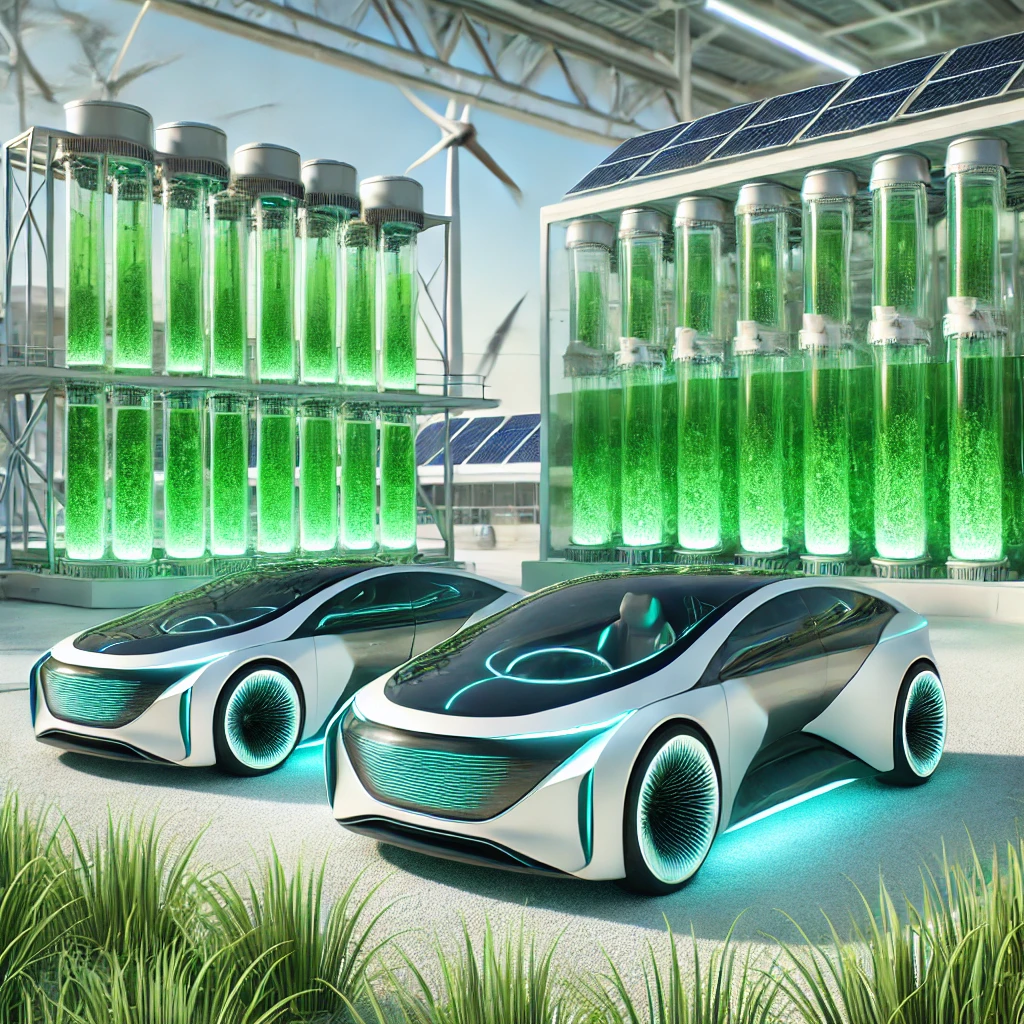
What Are Algae-Based Biofuels?
Algae-based biofuels are a type of renewable energy that is made from algae, a fast-growing organism that can be cultivated in various environments such as ponds, tanks, and even wastewater treatment plants. These algae are rich in oils, which can be converted into biodiesel, a type of biofuel that is used in conventional internal combustion engines. Unlike traditional fossil fuels, which release harmful pollutants into the atmosphere, algae-based biofuels are carbon-neutral, meaning they don’t contribute to global warming when burned.
The beauty of algae as a biofuel source lies in its ability to grow rapidly, its high oil content, and its versatility. In fact, algae can produce more oil per acre than traditional biofuel crops like soybeans or corn, making it an incredibly efficient source of energy.
How Do Algae-Based Biofuels Compare to Traditional Fuels?
When comparing algae-based biofuels to conventional gasoline or diesel, there are several clear advantages, particularly in terms of sustainability and environmental impact. Traditional fossil fuels are a leading cause of greenhouse gas emissions, which contribute to global warming and climate change. In contrast, algae-based biofuels are a renewable resource that doesn’t deplete the planet’s natural reserves.
One of the key benefits of algae-based biofuels is that they can help reduce our dependence on oil imports. As the United States continues to seek energy independence, algae could play a vital role in securing a more sustainable future. Additionally, algae can be grown on non-arable land, meaning it doesn’t compete with food crops for space or resources, unlike other biofuel sources like corn or soybeans.
Another major benefit is the efficiency of algae-based biofuels. Algae can produce large quantities of oil in a relatively short amount of time, meaning that biofuels derived from algae could become a more scalable solution for meeting the energy demands of the transportation sector.
Algae-Based Biofuels and Sustainable Driving
In recent years, the push for sustainable driving has grown stronger, with both the U.S. government and consumers becoming more focused on reducing the environmental impact of transportation. Electric vehicles (EVs) have made significant strides in this area, but biofuels still offer a viable solution for conventional vehicles, especially in the short term.
One of the most exciting aspects of algae-based biofuels is their potential to reduce the carbon footprint of existing vehicles without requiring major infrastructure changes. Unlike EVs, which require charging stations and extensive upgrades to the power grid, algae-based biofuels can be used in current vehicles with little to no modification. This makes them an attractive option for individuals and businesses looking to reduce their environmental impact without having to invest in expensive new technology.
Furthermore, algae-based biofuels are biodegradable and non-toxic, making them safer for the environment in case of spills. This is a significant advantage over petroleum-based fuels, which can have devastating effects on ecosystems when accidents occur.
The Future of Algae-Based Biofuels in the U.S.
As of 2024, the United States is making significant strides toward a more sustainable future. The Biden administration has shown a strong commitment to renewable energy, with policies designed to promote biofuels and clean energy technologies. Algae-based biofuels could play a central role in this vision, helping to reduce carbon emissions and create jobs in the biofuel production sector.
However, there are still challenges to overcome. The cost of producing algae-based biofuels remains high compared to traditional fuels, and more research is needed to optimize algae cultivation and processing methods. Despite these hurdles, many industry experts believe that algae biofuels could become cost-competitive within the next decade, making them a crucial component of a sustainable energy mix for the future.
Conclusion: A Green Road Ahead
Algae-based biofuels offer an exciting glimpse into the future of sustainable driving. With their high efficiency, low environmental impact, and potential to reduce our dependence on fossil fuels, algae-based biofuels could play a key role in the transition to a more sustainable and greener transportation system. While challenges remain in scaling up production, the promise of algae as a renewable energy source is undeniable. As the United States continues to push for cleaner and greener solutions, algae-based biofuels might just be the next big step in driving toward a sustainable future.
In the race toward a greener world, algae-based biofuels could offer the fuel that will power tomorrow’s cars, without harming the planet. Keep an eye on this emerging technology—it might just drive us to a cleaner future.