The automotive industry is no longer just competing on design, horsepower, or fuel efficiency. It is competing on software capability and digital intelligence. Modern vehicles in the US and European markets are expected to evolve over time, adding new features through over-the-air updates and improving performance long after they leave the dealership. This shift is forcing automakers to rethink how they plan compute lifecycles.
A car is typically designed for a 10-year life on the road, sometimes much longer. But artificial intelligence hardware and software move at a much faster pace, often advancing in two-year cycles. Bridging that gap between long vehicle lifespans and rapid AI innovation has become one of the most important strategic challenges for automotive OEMs and suppliers.
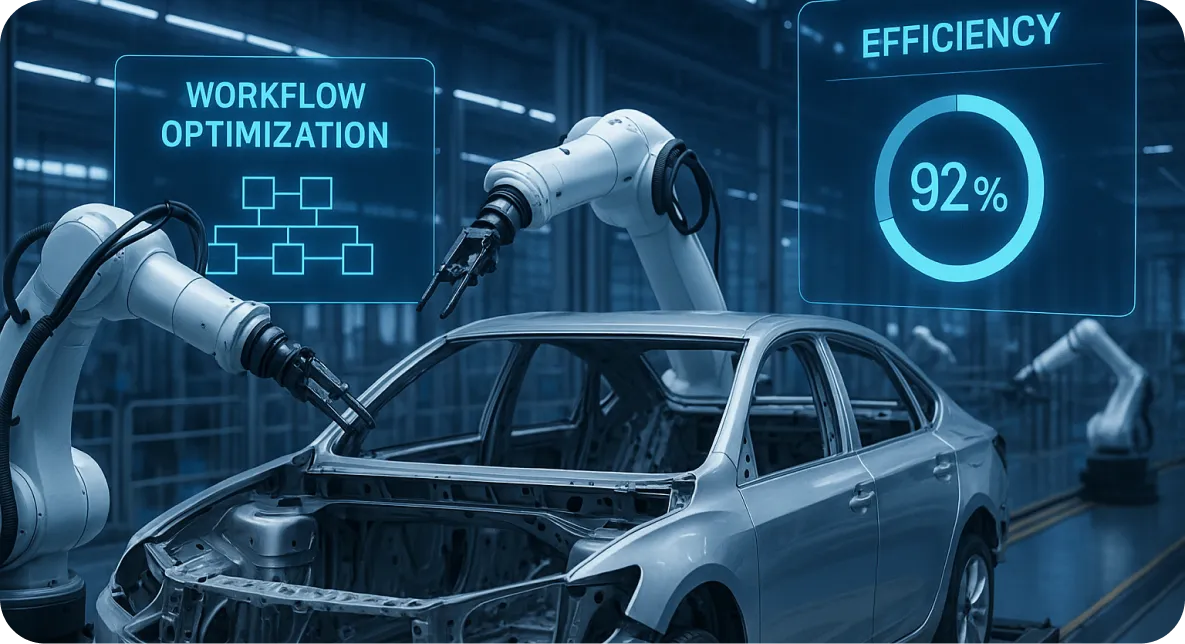
The Collision of Long Vehicle Lifecycles and Fast AI Innovation
Historically, vehicle electronics were built for fixed functions. Once a feature was validated and installed, it remained largely unchanged for the life of the car. Today’s software-defined vehicles operate differently. They rely on centralized compute platforms capable of running complex AI models for perception, driver monitoring, infotainment, and predictive maintenance.
AI models are evolving quickly. Neural networks become larger, more accurate, and more compute-intensive every few years. Hardware accelerators improve in performance per watt just as rapidly. A compute platform that feels cutting-edge at vehicle launch may struggle to support advanced autonomy or enhanced digital cockpit experiences only a few years later.
In US and EU markets, where consumers expect premium digital experiences and regulators demand robust safety systems, falling behind in compute capability is not an option. Automakers must therefore plan compute refresh cycles that align with the fast pace of AI development.
Why Two-Year Compute Cycles Matter
The semiconductor industry typically introduces significant improvements in processing performance and efficiency every one to two years. AI accelerators, GPUs, and automotive-grade SoCs become more capable, enabling more advanced features and better real-time performance.
Aligning vehicle compute strategy with this two-year cadence allows automakers to remain competitive. Instead of locking in a single compute platform for a full decade, manufacturers can design vehicles with refreshable compute modules. This allows them to integrate improved processors while maintaining the same vehicle architecture.
This approach is especially important for features like advanced driver assistance and Level 2 or Level 3 autonomy. As AI perception stacks grow more sophisticated, they require greater processing headroom. A planned refresh ensures that vehicles can keep up with evolving software demands without compromising safety or user experience.
Modular Architectures as the Foundation
A successful compute refresh strategy depends on modularity. Modern centralized or zonal architectures separate compute modules from peripheral electronics. By standardizing interfaces, communication protocols, and physical packaging, OEMs create flexibility for future upgrades.
Modular compute design enables hardware replacement without redesigning the entire vehicle electrical system. It reduces engineering complexity and allows multiple performance tiers across vehicle models. In premium segments, more powerful modules can be deployed, while mass-market vehicles may adopt slightly lower tiers, all within a shared architectural framework.
For US and European automakers, modularity also supports compliance with safety and cybersecurity regulations. Each refresh can be validated independently while maintaining overall system integrity. This structured flexibility supports innovation without sacrificing reliability.
Over-the-Air Updates and Hardware Headroom
Over-the-air updates have become a cornerstone of the software-defined vehicle strategy. They allow automakers to deliver new features, refine AI models, and enhance performance remotely. However, OTA capability is only as effective as the hardware supporting it.
Vehicles must be launched with sufficient compute headroom to handle near-term updates. Over time, as software grows more complex, that headroom can shrink. This is where planned hardware refresh cycles become critical. Upgrading compute modules ensures that vehicles continue to benefit from software innovation rather than being constrained by outdated hardware.
In the competitive US and EU markets, where brands differentiate themselves through digital features and advanced safety systems, maintaining strong OTA performance is directly tied to customer satisfaction and brand loyalty.
Balancing Cost, Safety, and Longevity
Planning compute refresh cycles is not just a technical decision; it is a business strategy. Hardware upgrades must be economically viable and seamlessly integrated into vehicle production and service models. OEMs must carefully balance cost considerations with performance ambitions.
Safety remains paramount. Each compute refresh must meet strict automotive functional safety standards and cybersecurity requirements. Validation and testing are extensive, ensuring that upgraded modules perform reliably in real-world driving conditions across varied climates and environments.
For customers, the benefit is clear. Vehicles that can evolve over time retain value longer and remain technologically relevant. Fleet operators, especially in Europe’s commercial mobility sector, gain flexibility to upgrade capabilities without replacing entire vehicles.
The Future of Compute Planning in Automotive
As electrification and autonomy continue to advance, compute platforms will become even more central to vehicle identity. Planning for a 10-year lifecycle with two-year AI refresh cycles ensures that vehicles remain capable, secure, and competitive.
Forward-thinking OEMs are designing vehicles not as static products, but as long-term digital platforms. By embracing modular compute architectures and aligning with the semiconductor innovation timeline, they are future-proofing their models.
In today’s automotive landscape, compute refresh is not an afterthought. It is a core part of product strategy. Successfully managing this balance between long vehicle life and rapid AI evolution will define which brands lead the next generation of mobility.