Electric vehicles are no longer just cars; they are becoming active players in the energy ecosystem. Across the US and Europe, automakers are teaming up with utilities to create smarter and more profitable energy solutions for EV owners. This shift is changing how drivers charge, pay for electricity, and even interact with the power grid. What once felt like a simple plug-and-charge routine is now evolving into a connected, data-driven energy experience.
As EV adoption grows rapidly in markets like California, Texas, Germany, Norway, and the UK, the strain on electricity networks also increases. Utilities are under pressure to manage peak demand while integrating more renewable energy sources such as wind and solar. At the same time, automakers want to make EV ownership more attractive and affordable. By working together, they are building new business models that benefit both the grid and the driver.
For consumers, this collaboration translates into real savings and smarter charging options. Instead of charging whenever they feel like it at a fixed rate, EV owners can now participate in programs that adjust charging times based on grid demand. These systems often reward flexibility with lower electricity bills or financial incentives. The result is a win-win situation where drivers save money while supporting a cleaner and more stable energy system.
Smart Charging and Managed Energy Programs
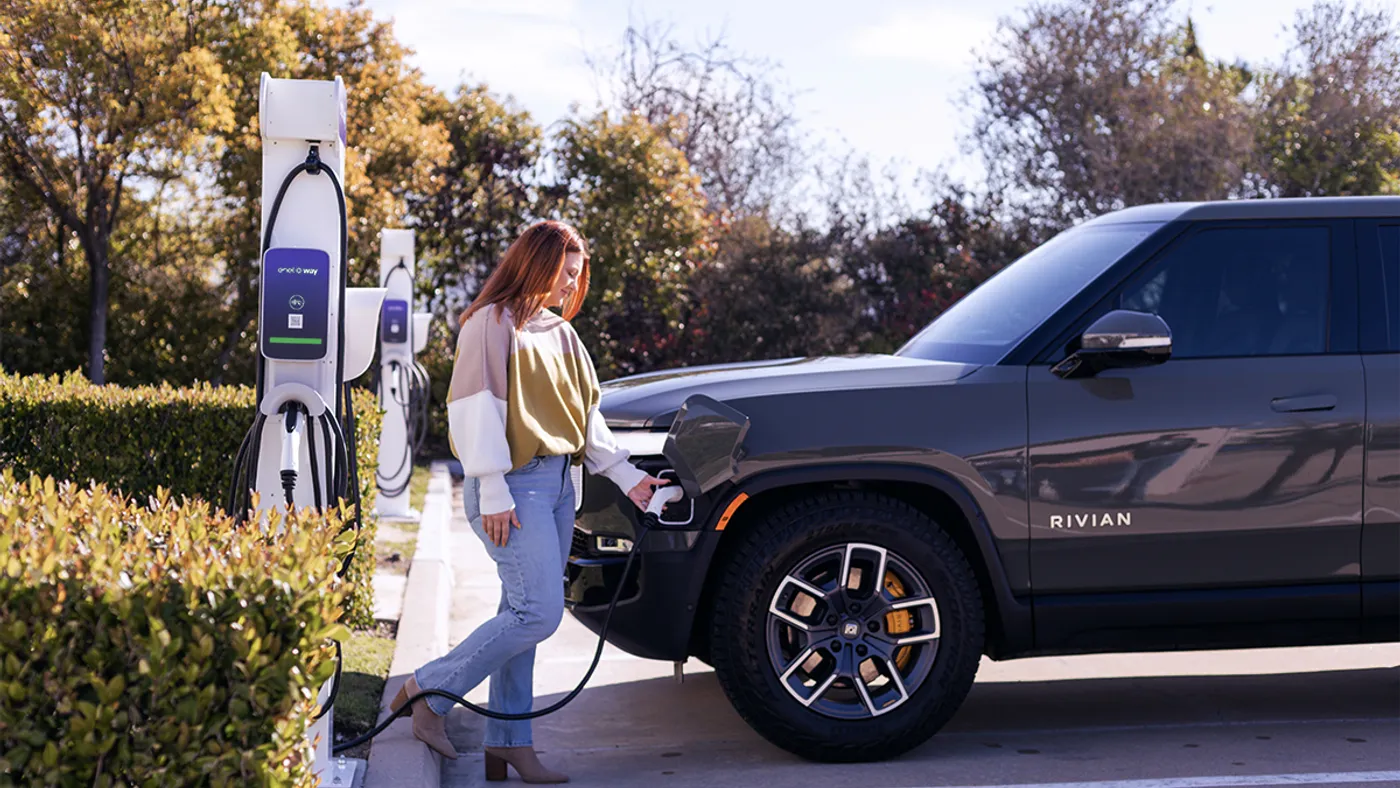
One of the most impactful outcomes of OEM and utility partnerships is the rise of smart charging. Through connected vehicle apps and utility platforms, charging sessions can be scheduled during off-peak hours when electricity prices are lower. In many US states and EU countries, time-of-use pricing already exists, and smart charging takes full advantage of it. Drivers wake up to a fully charged car and a lower energy bill without doing anything manually.
Managed charging programs go a step further by allowing utilities to temporarily adjust charging speed during peak grid demand. This does not mean your car will not charge; instead, it simply shifts or slows the process slightly to reduce stress on the grid. In exchange, participants often receive monthly bill credits or special EV tariffs. For households charging at home overnight, the impact is minimal, but the collective grid benefit is significant.
Automakers benefit as well because these programs improve the overall EV ownership experience. When drivers see consistent savings on energy costs, satisfaction and loyalty increase. Many OEM apps now integrate directly with utility systems, offering seamless enrollment and real-time insights into savings. This digital integration makes the entire process feel modern and effortless, which is crucial for attracting new EV buyers in competitive US and European markets.
Turning EVs Into Energy Assets
Perhaps the most exciting development in OEM-utility collaboration is vehicle-to-grid technology. With bidirectional charging capabilities, EVs can send electricity back to the grid during periods of high demand. Instead of being just energy consumers, vehicles become mobile batteries that help balance supply and demand. In return, owners may receive financial compensation or reduced electricity rates.
This concept is particularly powerful in regions with high renewable energy penetration. When solar or wind generation is strong, EVs can charge and store excess power. Later, during peak evening demand, that stored energy can be fed back into the grid. This not only supports renewable integration but also creates new revenue streams for EV owners. The car becomes a long-term energy investment rather than just a transportation expense.
In Europe, countries with advanced smart grid infrastructure are already piloting large-scale vehicle-to-grid programs. In the US, similar initiatives are gaining traction, especially in states focused on clean energy transitions. While widespread adoption will take time due to hardware and regulatory requirements, the foundation is clearly being laid. OEM and utility partnerships are accelerating this process by aligning technology development with real-world grid needs.
Home Energy Integration and Subscription Models
Beyond grid services, energy partnerships are expanding into home energy solutions. Some automakers now offer integrated packages that include home chargers, energy management software, and even rooftop solar integration. Utilities support these bundles by providing special EV rates or installation incentives. This holistic approach simplifies the transition to electric mobility for homeowners.
Subscription-style energy models are also emerging in certain markets. Instead of paying fluctuating electricity rates, EV owners can subscribe to fixed monthly charging plans offered through OEM-utility collaborations. These plans provide predictable costs and often include additional perks such as priority charging access or renewable energy guarantees. For budget-conscious consumers, this stability is highly appealing.
Backup power solutions are another growing area. With bidirectional charging and compatible home systems, EVs can provide emergency electricity during outages. In regions prone to storms or grid disruptions, this feature adds significant value. Utilities view this as an opportunity to enhance grid resilience, while automakers position it as an added benefit of EV ownership. Together, they are redefining the role of the vehicle within the household energy ecosystem.
The Road Ahead for EV Energy Partnerships
As EV adoption accelerates in the US and Europe, energy partnerships will likely become standard rather than optional. Governments are encouraging cleaner energy systems, and utilities need flexible demand management tools. EVs offer a scalable and distributed solution, especially when supported by intelligent software and cooperative business models. The synergy between automakers and utilities is only expected to deepen in the coming years.
For consumers, the biggest advantage lies in cost savings and added value. Lower charging rates, financial incentives, and potential income from grid services make EV ownership more financially attractive. At the same time, drivers contribute to a more sustainable and stable power system. This dual benefit strengthens the overall case for electric mobility in competitive automotive markets.
Ultimately, OEM and utility partnerships are reshaping the definition of car ownership. The EV is no longer just a vehicle parked in your driveway; it is an energy tool connected to a larger network. As technology matures and more programs roll out, drivers will gain access to smarter, cleaner, and more affordable energy solutions. In this evolving landscape, the future of mobility and electricity is becoming one seamless experience.