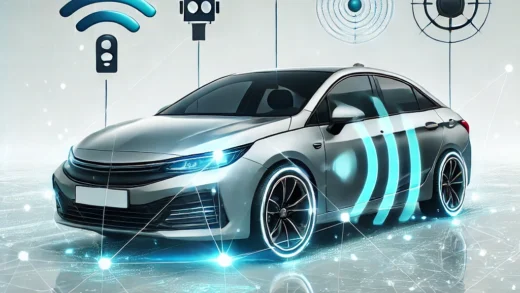
As we accelerate into the future of transportation, autonomous vehicles (AVs) are becoming an integral part of our everyday lives. Central to the functioning of these self-driving cars is the sophisticated sensor technology that allows them to navigate and understand their surroundings. Among the key technologies powering AVs are LiDAR and radar. In this blog, we’ll dive into the differences between LiDAR vs. radar, explore their unique advantages and limitations, and examine how these technologies shape the landscape of self-driving car sensors in the United States as of 2024.
Understanding LiDAR and Radar
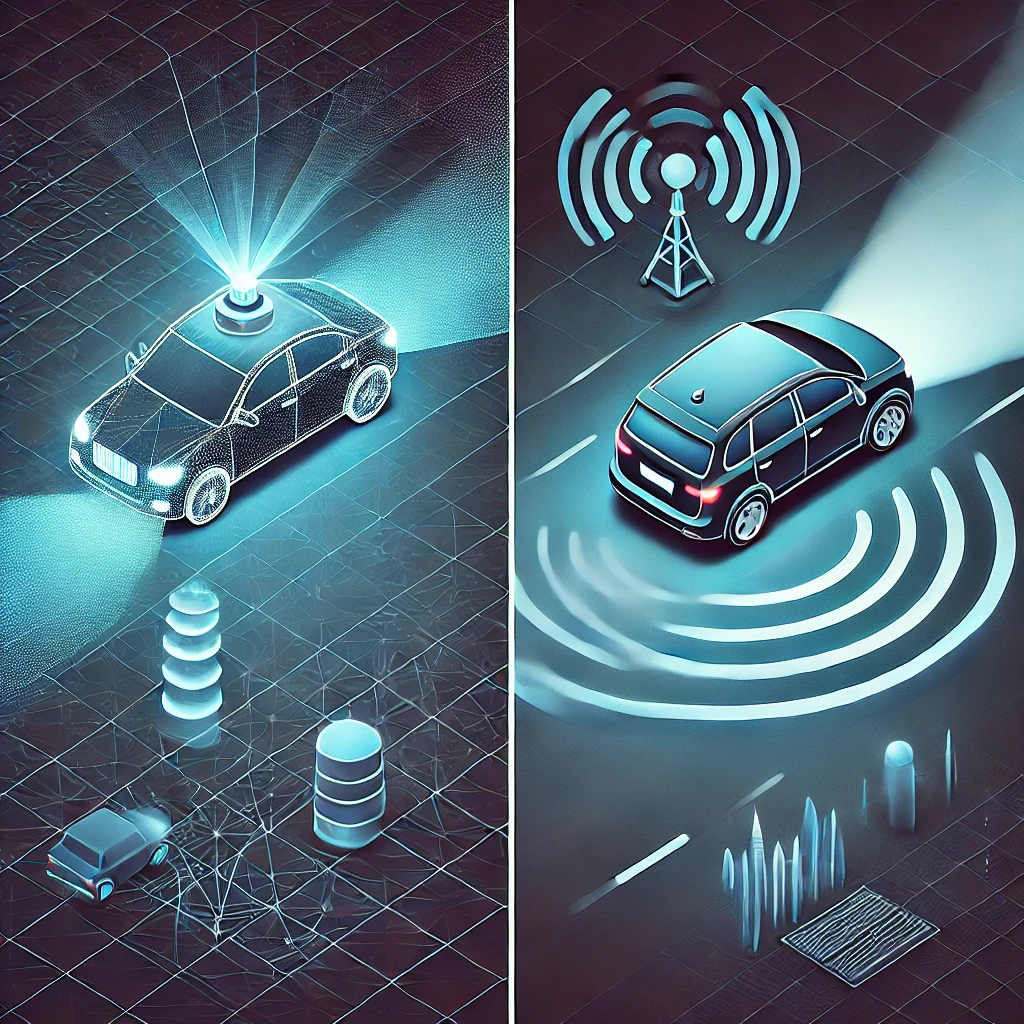
LiDAR, which stands for Light Detection and Ranging, uses laser pulses to measure distances between the sensor and objects in its environment. By emitting rapid bursts of laser light and analyzing the time it takes for the light to return, LiDAR creates a highly detailed 3D map of the surroundings. This technology has gained significant traction in the world of self-driving cars due to its precision and ability to identify obstacles with incredible accuracy.
On the other hand, radar, short for Radio Detection and Ranging, utilizes radio waves to detect objects. Radar systems emit radio waves and measure how they bounce back from objects, allowing them to determine distance and speed. While radar has been around longer than LiDAR, its capabilities are still crucial for many automotive applications, especially in conditions where visibility is compromised.
The Advantages of LiDAR
One of the standout features of LiDAR technology is its high-resolution imaging capability. In 2024, advancements in LiDAR systems have made them more compact and affordable, paving the way for widespread adoption in autonomous vehicles. LiDAR can detect objects as small as a person or a bicycle, making it particularly effective in urban environments where pedestrians and cyclists are common.
LiDAR’s ability to create a detailed 3D map allows self-driving cars to recognize not just the position of obstacles but also their shapes. This information is crucial for understanding the environment, especially in complex scenarios like navigating around construction zones or through crowded city streets.
Additionally, LiDAR performs exceptionally well in various lighting conditions, including complete darkness. This capability is vital for ensuring that autonomous vehicles can operate safely at night or during low-light situations.
The Strengths of Radar
While LiDAR has its advantages, radar technology holds its ground with unique strengths of its own. One of the primary benefits of radar is its robustness in challenging weather conditions. Radar can penetrate fog, rain, and even snow more effectively than LiDAR. This resilience is vital for ensuring that self-driving cars maintain awareness of their surroundings, even in less-than-ideal weather.
Radar is also more cost-effective and easier to integrate into vehicle designs. In 2024, we see a growing trend of manufacturers opting for radar systems as an essential complement to other sensors, including LiDAR and cameras. This integration helps create a multi-layered approach to AV sensor technology, enhancing the overall reliability of self-driving systems.
Moreover, radar excels in measuring the speed and direction of moving objects. This capability is essential for tasks such as adaptive cruise control and collision avoidance, making it an indispensable part of the modern vehicle’s sensor suite.
The Synergy of LiDAR and Radar
As we analyze LiDAR vs. radar, it’s important to note that these technologies are not mutually exclusive. In fact, the most effective autonomous vehicle systems employ a combination of both. By integrating LiDAR, radar, and camera systems, manufacturers can create a comprehensive view of the environment that capitalizes on the strengths of each technology.
This synergistic approach ensures that self-driving cars can operate safely and efficiently under a wide range of conditions. For example, while LiDAR may excel in urban settings, radar can provide critical data during adverse weather. This combination allows autonomous vehicles to make informed decisions, enhancing both safety and performance.
The Future of Autonomous Vehicles
Looking ahead, the competition between LiDAR and radar is expected to continue as technology evolves. Researchers and engineers are consistently working to improve both systems, focusing on making them more accurate, cost-effective, and reliable. As we move deeper into 2024, the integration of artificial intelligence with AV sensor technology is also set to revolutionize how these systems process and respond to information.
In the grand scheme of things, the race between LiDAR vs. radar is not merely about one technology prevailing over the other. Instead, it’s about finding the best way to use these advanced sensor technologies in harmony. As we embrace the future of self-driving cars, understanding these technologies helps us appreciate the complex and exciting world of autonomous vehicles. Together, LiDAR and radar will play vital roles in shaping the safe and efficient transport systems of tomorrow.