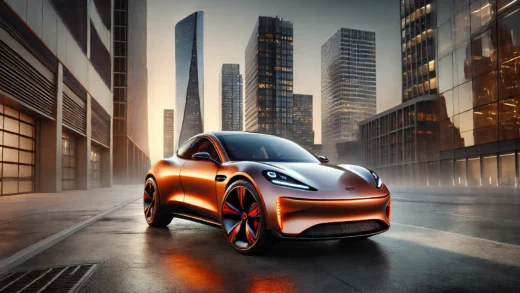
Electric vehicles are transforming the premium car market, with two standout choices catching the attention of many buyers: the Tesla Model 3 and the Audi Q4 e-tron Standard Range. While both promise clean driving and lower running costs, they come from very different philosophies. The Model 3 is Tesla’s compact sedan designed for efficiency and sportiness, while the Q4 e-tron is Audi’s compact luxury SUV built for comfort and versatility. If you’re shopping for your next EV in the U.S. or Europe, here’s how the two stack up.

Design & Space
The Tesla Model 3 looks every bit the sleek sport sedan. Its low, aerodynamic profile helps maximize range and handling, but the trade-off is tighter rear headroom and a trunk that’s less versatile than a hatchback or SUV. Inside, Tesla’s design language is famously minimalist: a large central screen replaces nearly all buttons, and the interior feels futuristic yet sparse.
The Audi Q4 e-tron takes a very different approach. As a compact SUV, it offers more height, easier ingress and egress, and a more upright driving position. Rear passengers enjoy greater headroom, and the cargo space is more practical thanks to the hatchback design. The interior reflects Audi’s premium heritage, with a balance of digital displays and physical controls, along with solid materials that feel reassuringly traditional.
So the choice here is straightforward: sleek sedan versus practical crossover.
Performance & Range
Tesla has built its reputation on quick acceleration and efficiency, and the Model 3 carries that torch. Even the most affordable rear-wheel-drive versions deliver lively performance, with 0–60 mph times that feel sports-car quick compared to conventional vehicles. The “Highland” update for the Model 3 also improved aerodynamics and refinement, making it quieter and smoother while stretching efficiency a little further. Depending on the variant and testing cycle, range figures hover around 250–280 miles on the EPA standard, often higher under Europe’s WLTP test.
The Audi Q4 e-tron Standard Range is not about raw speed, but it’s no slouch. With a single-motor setup, it accelerates confidently, though without Tesla’s punchy urgency. Where it excels is refinement — the ride is tuned for comfort, and the steering feels steady and composed. On paper, the Q4 Standard Range delivers about 265–288 miles (EPA), with European WLTP figures stretching further. In practice, Audi’s efficiency is consistent, especially in urban and suburban driving.
Both cars are capable of handling long commutes and weekend road trips, but Tesla has a slight edge in outright efficiency and performance, while Audi leans toward comfort and predictability.
Charging & Infrastructure
One of Tesla’s greatest strengths is its Supercharger network. In the U.S., it’s unmatched in coverage and reliability, and in Europe, Tesla has opened many of its chargers to other brands while keeping seamless access for Tesla owners. Plug in, charge, and billing is handled automatically through the app — it’s an ecosystem advantage that makes long trips much easier.
Audi relies on third-party charging networks such as Electrify America in the U.S. and Ionity in Europe. These are growing quickly and support high charging speeds — the Q4 can take up to around 175 kW, which means 10–80 percent in under half an hour under the right conditions. However, availability and pricing can vary, and the experience isn’t always as smooth as Tesla’s plug-and-play system.
If cross-country driving is a frequent part of your life, Tesla’s integrated network is hard to beat. For drivers who mostly charge at home or use local stations, Audi’s system will still cover daily needs well.
Cabin Experience
Tesla’s interior is built around software. The touchscreen handles navigation, climate, media, and nearly every vehicle function. Over-the-air updates mean your car gains new features over time, from entertainment apps to efficiency tweaks. For some drivers, this futuristic approach feels exciting; for others, the lack of physical controls can be frustrating.
Audi, meanwhile, offers a more familiar luxury experience. You’ll find a clear driver’s display, tactile buttons for key functions, and a focus on material quality. Cabin insulation is strong, ride comfort is plush, and rear passengers will thank you for the extra space. If you value a premium, traditional feel with modern touches, Audi delivers that balance better than Tesla.
Ownership & Support
Tesla’s ownership experience emphasizes digital support and mobile service units, with an eight-year battery and drive unit warranty. Service coverage is improving, but in some regions, wait times can still be a concern. On the upside, software updates and remote diagnostics keep maintenance needs low.
Audi brings the backing of an established dealer network across both the U.S. and Europe. For buyers who want a local service center and the reassurance of face-to-face support, Audi has an edge. It also offers similar battery warranty coverage, plus the benefit of a brand reputation built on long-term reliability.
The Verdict
The Tesla Model 3 is ideal for drivers who want efficiency, strong performance, cutting-edge software, and easy long-distance travel through Tesla’s robust charging ecosystem. It’s a tech-first sedan with a sporty feel, and it continues to set the pace in EV adoption.
The Audi Q4 e-tron Standard Range is a better fit for those who value comfort, practicality, and a more traditional premium experience. Its SUV shape gives it flexibility for families, while Audi’s craftsmanship and dealer support add peace of mind.
Both are excellent electric cars, but they speak to different lifestyles. If your heart is set on sportiness and software, go for the Model 3. If space, comfort, and familiarity matter more, the Q4 e-tron could be the smarter choice.