Driving can be an enjoyable experience, but it often comes with stressors like traffic jams, unexpected delays, and challenging road conditions. Stress behind the wheel isn’t just an inconvenience—it’s a safety concern. Studies in the United States show that driver stress and emotional distractions contribute significantly to accidents each year. Enter AI-based emotional recognition technology, a game-changing innovation designed to make driving safer and more enjoyable by detecting and addressing driver stress in real time.
In 2024, the integration of AI into vehicles is reaching new heights, and emotional recognition systems are leading the charge in creating smarter, safer, and more intuitive cars for drivers across the US.
What Is AI-Based Emotional Recognition?
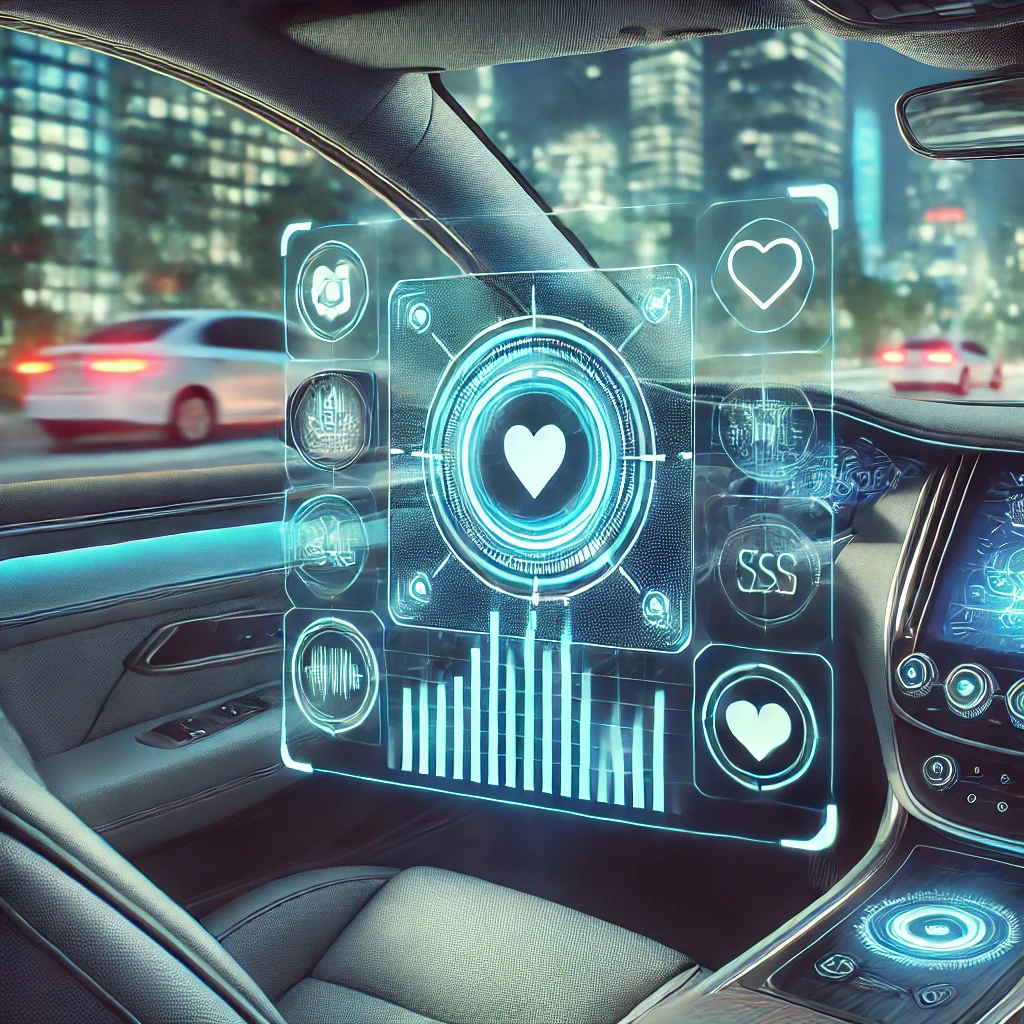
AI-based emotional recognition systems are designed to understand and respond to a driver’s emotional state. Using a combination of sensors, cameras, and advanced algorithms, these systems analyze facial expressions, voice tones, heart rate, and even body language to detect signs of stress, fatigue, anger, or distraction. Once stress is identified, the system can take proactive steps to help the driver regain focus and calm.
Unlike traditional driver-assist technologies, which focus solely on vehicle control, emotional recognition takes a holistic approach. It addresses the human factor, recognizing that a calm and attentive driver is critical for road safety.
How Emotional Recognition Works in Cars
The technology behind AI-based emotional recognition is both sophisticated and seamless. Cameras positioned in the cabin monitor facial expressions and eye movements, identifying cues like furrowed brows, clenched jaws, or drooping eyelids that may indicate stress, frustration, or fatigue. Microphones pick up on changes in voice tone and pitch, which can signal emotional shifts. Sensors in the steering wheel or seats measure heart rate and skin temperature to provide physiological data.
All this information is processed in real time by an AI-powered system that compares it to a vast database of emotional markers. If the system detects elevated stress or signs of distraction, it can respond in various ways. For instance, it might adjust the car’s interior lighting, play calming music, or suggest a short break. Some systems can even modify driving settings, such as enabling adaptive cruise control or lane-keeping assist, to reduce the driver’s workload.
The Importance of Emotional Recognition for US Drivers
In the United States, where long commutes and road trips are common, emotional recognition technology offers significant benefits. Traffic congestion in major cities like Los Angeles and New York is a daily source of stress for millions of drivers. Meanwhile, rural areas pose their own challenges, such as long, monotonous drives that can lead to fatigue. Emotional recognition systems are designed to address these diverse driving environments, helping drivers stay calm and alert.
Beyond individual benefits, emotional recognition also contributes to broader road safety. Stress and emotional distractions are leading causes of accidents, often impairing reaction times and decision-making. By proactively addressing these issues, AI-based systems can reduce the likelihood of collisions, making roads safer for everyone.
Enhancing the Driving Experience
Emotional recognition technology isn’t just about safety—it’s about creating a more enjoyable driving experience. Cars equipped with these systems feel more intuitive and personal, adapting to the driver’s mood and needs. For instance, if the system detects frustration due to traffic, it might suggest an alternative route or offer a guided breathing exercise through the infotainment system.
In premium vehicles, emotional recognition is becoming a cornerstone of luxury, with features like mood-based cabin lighting, aromatherapy, and massage functions. These enhancements not only improve comfort but also create a sense of connection between the driver and the car, transforming the vehicle into a supportive companion on the road.
Overcoming Challenges and Building Trust
While the potential of emotional recognition is immense, its adoption comes with challenges. Privacy concerns are a significant consideration for many US drivers. To address this, automakers are implementing strict data protection measures, ensuring that emotional data is processed securely and not shared without consent. Transparency and clear communication about how the technology works are key to building trust among consumers.
Additionally, making this technology accessible to a wide range of vehicles is essential. While emotional recognition is currently more common in luxury cars, advancements in AI and sensor technology are driving down costs, making it possible for mid-range and economy vehicles to benefit from these features in the near future.
The Future of Stress-Free Driving
As 2024 unfolds, AI-based emotional recognition is poised to become a standard feature in vehicles across the United States. By focusing on the driver’s well-being, this technology is revolutionizing the way we think about road safety and driving comfort. Whether you’re navigating busy urban streets, enduring a long commute, or embarking on a cross-country road trip, emotional recognition systems ensure you’re calm, focused, and supported every mile of the way.
The future of driving isn’t just about getting to your destination—it’s about how you feel along the journey. With AI-based emotional recognition, the road ahead is not only safer but also more serene and enjoyable. This is the next step in creating a harmonious relationship between humans and their cars, where technology understands, adapts, and truly cares.