The automotive industry in the US and EU is entering a new phase where data is just as valuable as horsepower. Connected vehicles, telematics systems, and AI-driven analytics are generating detailed insights into how people drive every day. Out of this data revolution, safety scores have emerged as a powerful product category. These scores translate driving behavior into simple, understandable ratings that reflect how safely someone operates a vehicle. For insurers, fleets, and mobility platforms, safety scores represent a new commercial opportunity.
But there is a fine line between innovation and intrusion. Drivers are increasingly aware that their behavior can be monitored, analyzed, and even priced. If safety scores are positioned purely as tools to increase premiums or penalize mistakes, adoption will suffer. The key to success lies in creating value without creating fear. When designed thoughtfully, safety scores can improve road safety while building trust and long-term customer loyalty.
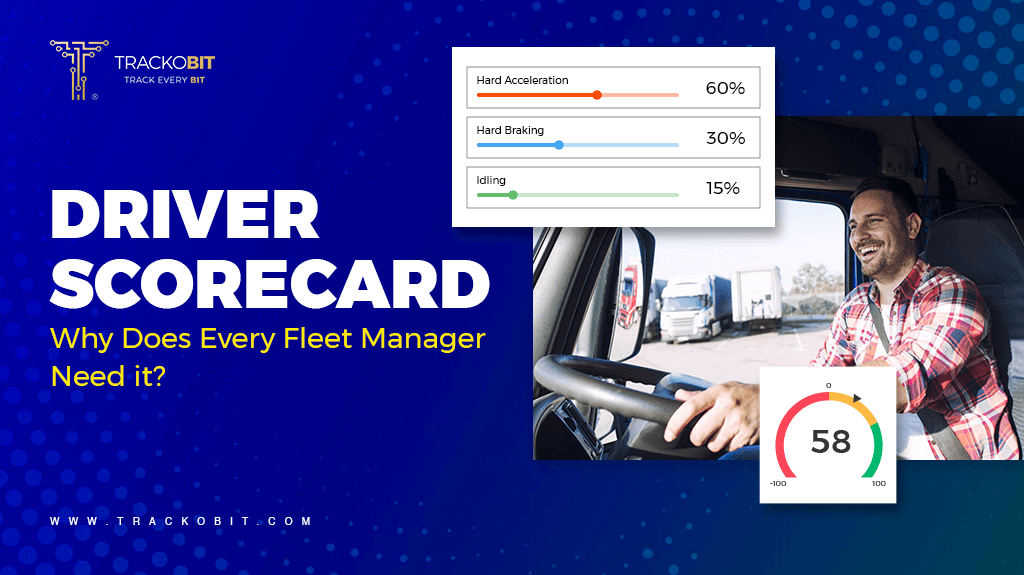
Understanding What a Safety Score Really Measures
At its core, a safety score is a data-driven summary of driving behavior. It typically considers factors such as harsh braking, rapid acceleration, cornering patterns, speed consistency, and time of day. Advanced systems may also factor in traffic density, weather conditions, and road type. The result is a dynamic score that reflects how safely a driver navigates real-world conditions.
In the US market, usage-based insurance programs have already familiarized drivers with telematics-based scoring. In the EU, privacy-conscious consumers are gradually warming to these systems when transparency is prioritized. What matters most is clarity. Drivers need to understand how the score is calculated, what influences it, and how they can improve it. When safety scoring feels educational rather than judgmental, engagement rises significantly.
Moving Beyond Punitive Insurance Models
Early telematics programs often focused heavily on risk segmentation. Drivers with lower scores faced higher premiums, while high scorers received modest discounts. While this approach improved underwriting accuracy, it sometimes created resentment. Drivers felt constantly evaluated, as if a single hard brake could cost them money. That perception limited broader adoption of safety-based products.
Today’s leading insurers and mobility companies are rethinking the strategy. Instead of positioning safety scores as pricing weapons, they are presenting them as improvement tools. Drivers can receive coaching tips, personalized insights, and positive reinforcement when they demonstrate safer habits. Monetization comes not from punishing risky behavior, but from offering premium services, loyalty rewards, and value-added features that enhance the driving experience. This shift transforms safety scores from a threat into a benefit.
Creating Value Through Rewards and Engagement
The most successful safety score products in the US and EU markets focus on rewards rather than penalties. High-scoring drivers might gain access to discounted maintenance services, roadside assistance packages, or partner promotions. Gamification elements, such as achievement badges or monthly safety challenges, encourage friendly competition and ongoing engagement. These features make safety scoring feel interactive and motivating rather than restrictive.
Fleet operators are also benefiting from this reward-driven model. Companies that encourage drivers to maintain strong safety scores often see fewer accidents and lower operational costs. Instead of disciplining drivers with low scores, fleets can offer incentives for improvement and recognize consistent safe performance. This approach strengthens workplace culture and aligns financial benefits with safety outcomes. When drivers feel supported rather than monitored, adoption naturally grows.
Privacy and Transparency as Competitive Advantages
In the European Union, strict data protection laws set a high standard for telematics-based products. Drivers must give clear consent, understand how their data is processed, and retain control over its usage. In the United States, privacy frameworks vary by state, but consumer expectations around transparency are rising quickly. Safety score providers that prioritize open communication and easy opt-in systems gain a competitive edge.
Trust is not built through fine print alone. It comes from showing drivers tangible benefits and respecting their choices. Clear dashboards, simple explanations of scoring metrics, and flexible data-sharing options empower users. When drivers feel ownership over their data, they are more willing to participate. This trust-driven model ensures that monetization strategies remain sustainable and customer-focused.
Technology as the Enabler of Fair Scoring
Artificial intelligence and advanced analytics play a crucial role in making safety scores accurate and fair. Modern algorithms can distinguish between unavoidable events and risky behavior patterns. For example, braking hard to avoid an unexpected obstacle should not carry the same weight as aggressive driving habits. By refining these models, companies reduce the perception of unfair penalties.
Connected vehicles also enable real-time feedback through in-car displays or mobile apps. Drivers can immediately see how their actions influence their score and adjust accordingly. This instant feedback loop encourages continuous improvement and deeper engagement. As vehicle connectivity expands across the US and EU, safety scoring systems will become even more sophisticated and personalized.
The Future of Safety Scores in Mobility
Looking ahead, safety scores are poised to become a standard feature in the broader mobility ecosystem. They may integrate with electric vehicle platforms, shared mobility services, and smart city infrastructure. Instead of being limited to insurance pricing, safety scores could influence loyalty programs, subscription services, and even financing options. The commercial possibilities are vast when the model centers on positive reinforcement.
Ultimately, the success of safety score products depends on balance. Drivers must feel that they are gaining insight, rewards, and protection rather than scrutiny. Companies that embrace transparency, fairness, and value creation will lead the market. In both the US and EU, the path forward is clear: monetize safety insights in a way that uplifts drivers, strengthens trust, and contributes to safer roads for everyone.