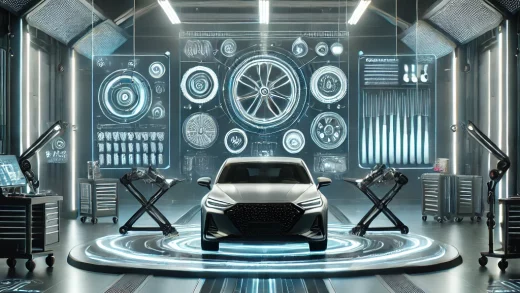
The modern car is no longer just a mechanical machine; it is a connected, software-driven ecosystem on wheels. From advanced driver assistance systems to large infotainment displays and electric powertrains, technology has redefined what drivers expect from their vehicles. While these innovations improve safety, efficiency, and comfort, they also introduce a new financial reality. Repair cost inflation has become a serious concern in both the US and European automotive markets. For car owners, insurers, and fleet operators, the rising cost of fixing high-tech vehicles is impossible to ignore.
Over the past few years, repair bills have climbed sharply, even for relatively minor collisions. A small front-end impact that once required simple bodywork may now involve replacing radar units, recalibrating cameras, and updating vehicle software. These additional steps increase labor time and parts costs, driving up overall repair expenses. As vehicles become more advanced, the gap between innovation and affordability continues to widen. Understanding why this is happening is crucial for both buyers and manufacturers.

ADAS and Sensor Technology Drive Costs Higher
One of the biggest reasons high-tech cars cost more to repair is the widespread adoption of Advanced Driver Assistance Systems. Features like automatic emergency braking, lane-keeping assist, adaptive cruise control, and blind-spot monitoring rely on a network of sensors, cameras, and radar modules. These components are often mounted behind bumpers, windshields, and side panels, making them vulnerable even in low-speed accidents. What appears to be cosmetic damage can easily affect sensitive electronic systems hidden underneath.
Replacing these components is only part of the process. After installation, sensors must be precisely recalibrated using specialized diagnostic equipment. Calibration requires trained technicians and access to manufacturer-approved tools, which adds significant labor costs. In the US market, labor rates for such technical work are already high, and in the EU, strict regulatory compliance adds another layer of complexity. As a result, even minor repairs can become unexpectedly expensive for consumers.
The Software Factor in Modern Repairs
Modern vehicles are powered by millions of lines of software code that control everything from braking to infotainment. When repairs are performed, software updates and system resets are often necessary to ensure proper functionality. Access to manufacturer software platforms is typically restricted to authorized dealerships or licensed repair facilities. Independent workshops may need to pay subscription fees for diagnostic access, which increases operating costs.
Electric vehicles add another dimension to this challenge. Battery management systems, high-voltage wiring, and complex control modules require specialized knowledge and equipment. Repairing or replacing these components can be costly, particularly if parts availability is limited. In both the US and EU markets, the transition toward electrification has intensified discussions about right-to-repair policies. While manufacturers prioritize cybersecurity and safety, consumers increasingly demand transparency and affordable repair options.
Supply Chains and OEM Part Pricing
Another contributor to repair cost inflation is the pricing structure of OEM parts. High-tech components are often proprietary, meaning aftermarket alternatives are limited or unavailable. When parts can only be sourced directly from the manufacturer, prices tend to be higher. This issue became especially visible during recent global supply chain disruptions, when delays and shortages drove up replacement part costs.
In Europe, regulatory frameworks encourage competition in certain segments of the aftermarket, yet advanced electronic components often remain tightly controlled. In the United States, right-to-repair movements continue to push for broader access to parts and data. Until competition increases and supply chains stabilize further, OEM-controlled pricing will continue to influence repair expenses. For vehicle owners, this means higher insurance premiums and longer repair wait times.
The Growing Skills Gap in Repair Shops
Repairing high-tech cars requires a different skill set than traditional mechanical work. Today’s technicians must understand electronics, data systems, and software integration in addition to engines and suspension components. Training programs are evolving, but the demand for skilled professionals currently exceeds supply. This shortage drives wages higher and increases the cost of labor for repair facilities.
Shops must also invest in advanced diagnostic tools and continuous training to remain competitive. These investments are necessary to handle modern vehicles, yet they add to operational expenses. As repair centers adjust their pricing to cover these costs, consumers ultimately pay more. The complexity of modern cars ensures that repair inflation is not simply a temporary trend but part of a broader industry shift.
How OEMs Can Reduce Repair Inflation
Original equipment manufacturers have a significant role to play in managing repair costs. Designing vehicles with modular components that are easier to replace can reduce labor time and complexity. Standardizing certain calibration procedures and making diagnostic tools more accessible would also improve efficiency across the repair ecosystem. When independent workshops can access reliable tools and certified parts, competition increases and pricing pressure decreases.
OEMs can further leverage over-the-air updates and predictive diagnostics to prevent costly breakdowns. If software issues can be fixed remotely before they escalate, repair frequency and severity can be reduced. Collaboration with insurers to reward vehicles that are easier and less expensive to repair may also encourage smarter design strategies. Balancing innovation with long-term affordability will be key to sustaining customer trust.
What Buyers Should Consider in 2026 and Beyond
For car buyers in the US and EU markets, understanding repair costs should be part of the purchasing decision. Researching a vehicle’s repair history, insurance group rating, and parts availability can provide valuable insights. Advanced technology offers undeniable safety benefits, but it also comes with ownership responsibilities. Drivers should weigh these factors carefully when selecting a new or used vehicle.
High-tech cars represent the future of mobility, offering smarter and safer transportation. However, the industry must ensure that innovation does not outpace affordability. By improving design strategies, increasing transparency, and supporting competitive repair markets, OEMs can help stabilize repair costs. When technology and practicality move forward together, consumers will feel confident embracing the next generation of vehicles.