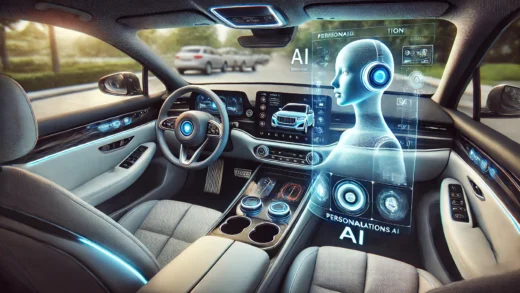
The American suburbs, known for their sprawling neighborhoods and car-dependent lifestyles, are on the brink of a transportation revolution. As we move further into 2024, automated shared ownership vehicles are emerging as a practical and sustainable solution to suburban mobility challenges. These vehicles, which combine autonomous technology with shared ownership models, are poised to transform the way suburban residents commute, run errands, and connect with their communities.
While Europe has already begun integrating shared ownership and automation into its mobility systems, the United States is uniquely positioned to adapt and innovate these solutions for its suburban landscape. Let’s explore how automated shared ownership vehicles are shaping the future of transportation in U.S. suburbs and how they compare with Europe’s progress.
What Are Automated Shared Ownership Vehicles?
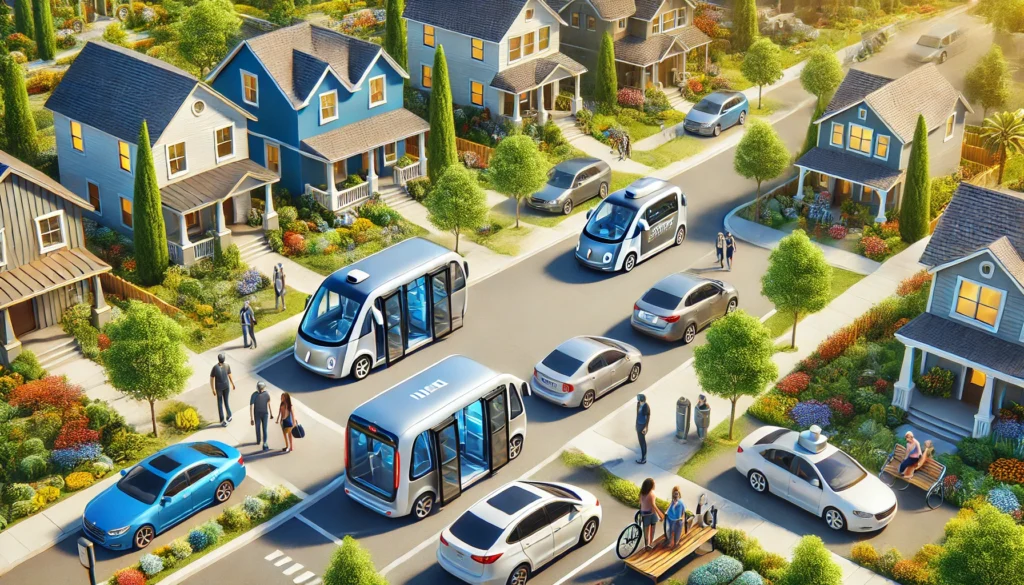
Automated shared ownership vehicles are autonomous cars jointly owned by multiple users or community groups. They operate on a shared model, reducing the need for every household to own a personal vehicle. These cars are equipped with advanced self-driving technology, allowing them to operate without a human driver. Owners can schedule the car for specific times or use app-based systems to call the vehicle when needed.
This concept is especially appealing for suburban areas where public transportation options are often limited, and households typically own multiple cars to meet their mobility needs. By sharing ownership of a single automated vehicle, suburban residents can enjoy the convenience of private transportation while lowering costs and reducing their environmental impact.
Why U.S. Suburbs Need Automated Shared Vehicles
The U.S. suburbs are designed around the car. Wide streets, single-family homes, and distant shopping centers make it difficult to navigate without a personal vehicle. However, this reliance on cars comes with challenges, including traffic congestion, high maintenance costs, and growing environmental concerns.
Automated shared vehicles offer a way to address these issues. By reducing the number of cars on the road, these vehicles can ease traffic and free up parking spaces in crowded suburban neighborhoods. They are also more cost-effective, as ownership costs—such as insurance, maintenance, and fuel—are divided among multiple users. For families and individuals in the suburbs, this means access to affordable and reliable transportation without the burden of full ownership.
From an environmental perspective, automated shared vehicles can help reduce greenhouse gas emissions by optimizing routes and encouraging the use of electric powertrains. In the long term, this shift supports broader efforts to combat climate change and create more sustainable communities.
Europe’s Success with Shared Mobility
Europe has been a pioneer in adopting shared mobility solutions, with many cities already embracing car-sharing and ride-hailing services. Automated shared ownership vehicles are a natural extension of these systems, and Europe’s compact cities and well-developed public transportation networks make integration relatively seamless.
Programs like Germany’s “WeShare” and Norway’s push for autonomous EV trials in suburban areas highlight how Europe is merging automation with shared ownership. While these initiatives have seen success in urban settings, suburban adoption is growing as European governments emphasize sustainability and efficiency in transportation planning.
The U.S. Approach: Challenges and Opportunities
Unlike Europe, where public transportation is often robust, U.S. suburbs are heavily car-dependent. This difference presents both challenges and opportunities for automated shared vehicles. On the one hand, the lack of comprehensive public transit makes suburban areas an ideal testing ground for autonomous shared ownership models. On the other hand, the cultural attachment to personal car ownership and the vast distances in suburban layouts require tailored solutions.
Technological advancements and growing interest in shared mobility are paving the way for automated vehicles in U.S. suburbs. Companies like Waymo and Cruise are already testing autonomous ride-hailing services in suburban areas, hinting at the potential for shared ownership models. Additionally, supportive government policies, such as tax incentives for EVs and funding for autonomous vehicle research, are encouraging innovation.
The Road Ahead for Suburban Mobility
The adoption of automated shared ownership vehicles in U.S. suburbs could redefine transportation in profound ways. By providing a flexible and affordable alternative to traditional car ownership, these vehicles have the potential to improve access to mobility for residents of all ages and income levels.
Collaboration between automakers, technology companies, and local governments will be essential to make this vision a reality. Investments in charging infrastructure, regulatory frameworks, and consumer education will play a crucial role in driving adoption.
As we look to the future, automated shared vehicles offer more than just a convenient way to get around. They represent a shift toward smarter, more sustainable communities where transportation is efficient, affordable, and environmentally friendly. By learning from Europe’s progress and tailoring solutions to its unique suburban landscape, the U.S. can lead the charge in creating the next generation of mobility.
Conclusion
Automated shared ownership vehicles are more than just a trend—they are a practical solution to the mobility challenges faced by U.S. suburbs. With their potential to reduce costs, ease traffic, and lower emissions, these vehicles align perfectly with the needs of suburban residents and the goals of a sustainable future. As technology continues to evolve, the suburbs are poised to become the testing ground for innovations that could transform transportation on a global scale.