Formula 1 has always been synonymous with speed, innovation, and high-stakes competition. But now, the pinnacle of motorsport is tackling a challenge far beyond the racetrack—sustainability. As the automotive industry accelerates towards greener technologies, F1 is making a bold move to adopt sustainable fuels, setting a new standard for performance and environmental responsibility.
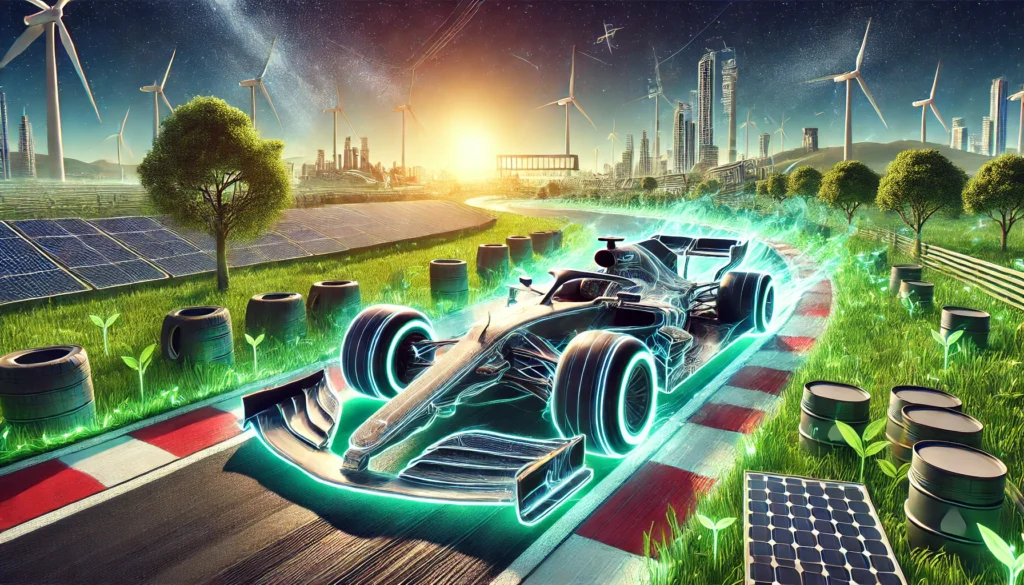
Why Sustainable Fuels Are the Future
In the race to combat climate change, sustainable fuels offer a viable solution for reducing emissions without compromising performance. Unlike traditional fossil fuels, sustainable fuels are created from renewable sources such as bio-waste, algae, or synthetic processes. These fuels significantly lower carbon emissions across their lifecycle, aligning with global goals to achieve carbon neutrality.
For Formula 1, the shift to sustainable fuels isn’t just about going green; it’s about preserving the essence of motorsport. Fans love the sound and spectacle of combustion engines, and sustainable fuels allow F1 to retain this iconic element while meeting modern environmental standards.
F1’s Commitment to Carbon Neutrality
Formula 1 has set an ambitious target to become carbon neutral within the next decade. The introduction of sustainable fuels is a cornerstone of this commitment. These fuels, when paired with F1’s advanced hybrid power units, promise to deliver the same heart-pounding performance while drastically reducing carbon emissions.
The move isn’t just about the cars on the track. F1 is also rethinking the way races are organized, from logistics to energy use at events. By combining these efforts with the adoption of sustainable fuels, F1 is positioning itself as a leader in sustainable innovation within motorsports.
Driving Innovation for Everyday Vehicles
One of the most exciting aspects of F1’s shift towards sustainable fuels is its potential impact on the broader automotive industry. Historically, F1 has served as a testing ground for technologies that eventually find their way into road cars. From advanced aerodynamics to hybrid engines, innovations developed on the track have revolutionized the vehicles we drive every day.
Sustainable fuels could follow the same trajectory. By developing and refining these fuels under the extreme conditions of F1 racing, the sport is paving the way for their adoption in consumer vehicles. This has significant implications for the millions of internal combustion engines still on the roads, especially in regions like the US and Europe where the transition to electric vehicles is ongoing but far from complete.
The Role of Automakers in the Shift
Many of the manufacturers involved in F1, such as Mercedes, Ferrari, and Red Bull’s engine partner Honda, see the move towards sustainable fuels as a strategic opportunity. For these companies, F1 serves as a laboratory for developing the next generation of fuel technologies. The knowledge gained from racing will directly influence their approach to producing greener road cars.
This collaboration between F1 and automakers is crucial for achieving the sport’s sustainability goals. By working together, they can ensure that sustainable fuels meet both the performance demands of racing and the practicality required for mass adoption in everyday vehicles.
A Win for Fans and the Planet
The shift towards sustainable fuels isn’t just good news for the environment; it’s also a win for fans. F1 has always been about pushing boundaries, and this move demonstrates the sport’s ability to evolve while staying true to its roots.
Fans can continue to enjoy the thrill of high-speed racing, knowing that their favorite sport is leading the charge towards a more sustainable future. And for the millions who follow F1 across the US and Europe, this commitment resonates deeply as environmental concerns become an increasingly important part of the global conversation.
Challenges Ahead
Transitioning to sustainable fuels isn’t without its challenges. The development and production of these fuels require significant investment and technological advancements. Ensuring they are accessible and scalable for both motorsports and the wider automotive industry will take time and collaboration.
However, F1 has a track record of overcoming obstacles. From introducing hybrid engines to pioneering new safety measures, the sport has consistently demonstrated its ability to innovate under pressure. The journey towards sustainable fuels is another opportunity for F1 to showcase its resilience and forward-thinking approach.
Looking Ahead
Formula 1’s embrace of sustainable fuels marks a significant milestone in the evolution of motorsports. It’s a bold step that aligns with the global push towards sustainability while maintaining the excitement and innovation that define the sport.
For fans, drivers, and the automotive industry, this transition represents more than just a change in fuel—it’s a commitment to a greener, more responsible future. As F1 races towards its carbon-neutral goal, it’s clear that sustainable fuels are not just a solution for the sport but a game-changer for the entire world of mobility.
The road ahead is challenging, but if there’s one thing F1 has proven time and time again, it’s that it thrives on challenges. With sustainable fuels, Formula 1 is once again leading the way, proving that speed, power, and sustainability can coexist.