Driving safety has always been a top priority for automakers, and with the rapid advancements in technology, artificial intelligence (AI) is now playing a pivotal role in ensuring safer roads. One of the most transformative applications of AI in the automotive industry is road condition awareness. By providing drivers with real-time information about the state of the roads, AI systems are helping to prevent accidents, optimize driving behavior, and enhance overall safety.
In the US and Europe, where weather conditions and traffic patterns vary widely, AI-assisted road condition awareness is becoming a game-changer for drivers. It’s more than just technology—it’s a partner in safety.
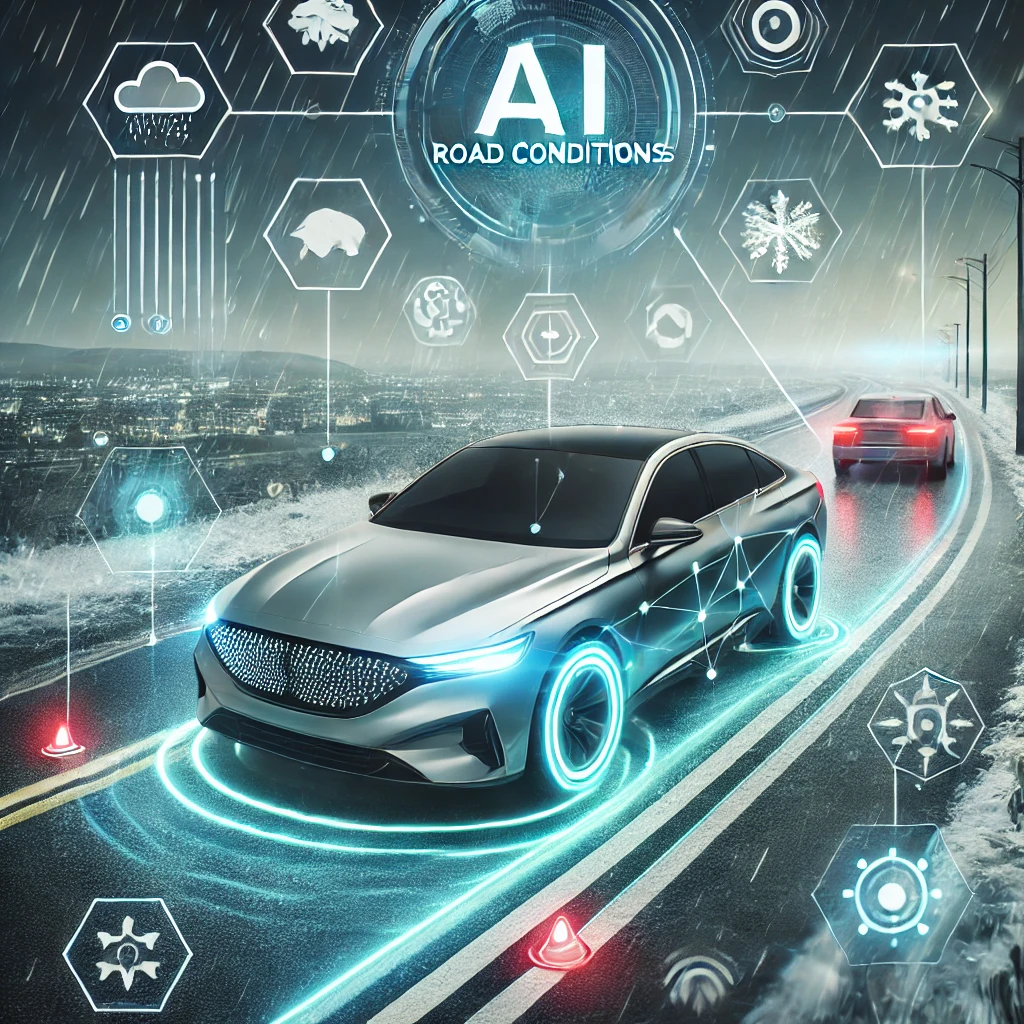
How AI Monitors Road Conditions
AI-assisted road condition awareness uses a combination of sensors, cameras, and machine learning algorithms to assess and interpret road environments. Modern vehicles equipped with these systems can detect hazards like potholes, icy surfaces, wet roads, or debris in real time. By analyzing this data and integrating it with weather reports, traffic patterns, and GPS information, AI provides drivers with actionable insights to navigate challenging conditions safely.
For example, a vehicle traveling in snowy regions of Europe can use AI to identify patches of ice and warn the driver before reaching them. Similarly, in the US, where sudden rainstorms can cause flash flooding, AI can alert drivers to waterlogged roads, enabling them to adjust their routes or driving speeds.
Enhancing Real-Time Driver Alerts
One of the most immediate benefits of AI-assisted road condition awareness is the ability to provide real-time alerts. Unlike traditional warning systems that rely on static data, AI adapts to changing conditions, ensuring drivers are always informed about the most relevant hazards.
These alerts can appear on the vehicle’s dashboard or through voice prompts, giving drivers enough time to react. For instance, if a vehicle detects a slick surface ahead, the AI system might recommend reducing speed or adjusting braking pressure. These proactive warnings are especially valuable in urban areas with heavy traffic or on highways where reaction times are critical.
Improving Navigation and Route Planning
AI-assisted road condition awareness goes beyond simply warning drivers about immediate hazards. It also enhances navigation and route planning by integrating road condition data into mapping systems. This allows vehicles to suggest alternative routes that avoid problematic areas, reducing travel time and enhancing safety.
In Europe, where cobblestone streets and narrow roads are common in older cities, this feature is particularly useful for avoiding areas prone to wear and tear. In the US, AI-powered route planning can help drivers steer clear of construction zones, traffic congestion, or weather-impacted areas, ensuring a smoother and safer journey.
Partnering with Advanced Driver Assistance Systems
AI-assisted road condition awareness is a natural complement to Advanced Driver Assistance Systems (ADAS). Features like adaptive cruise control, lane-keeping assistance, and automated braking are enhanced when paired with road condition data. For instance, if AI detects poor traction due to rain, it can adjust the sensitivity of lane-keeping systems or reduce the following distance in adaptive cruise control.
This integration creates a cohesive safety net, where every system in the vehicle works together to protect the driver and passengers. By predicting and adapting to road conditions, AI makes driving smarter and safer.
Supporting Safer Autonomous Driving
As the automotive industry moves closer to autonomous driving, AI-assisted road condition awareness is becoming a critical component of self-driving systems. Autonomous vehicles rely on precise data to make split-second decisions, and road condition awareness ensures they can navigate even the most challenging environments with confidence.
For instance, in areas with variable weather patterns, such as northern Europe or the Midwest in the US, autonomous vehicles equipped with AI can adjust their driving behavior to account for icy roads, strong winds, or sudden rain. This not only improves safety but also builds trust in self-driving technology among consumers.
Reducing Accidents and Enhancing Confidence
By helping drivers anticipate and avoid hazards, AI-assisted road condition awareness significantly reduces the likelihood of accidents. Whether it’s preventing hydroplaning on a wet highway or avoiding a poorly maintained rural road, this technology empowers drivers to make safer decisions.
Beyond safety, AI systems also enhance driver confidence. Knowing that the vehicle is actively monitoring and responding to road conditions creates a sense of security, especially for drivers navigating unfamiliar terrain or challenging weather. This confidence translates to a more relaxed and enjoyable driving experience.
A Safer Future with AI
The integration of AI-assisted road condition awareness into modern vehicles marks a significant step forward in automotive safety. As these systems become more widespread in the US and Europe, drivers can expect a new standard of protection on the road. By combining real-time data, machine learning, and seamless integration with other vehicle systems, AI is making driving not only safer but also smarter.
For automakers, investing in this technology is an opportunity to redefine safety and build stronger connections with consumers. For drivers, it’s a promise of safer journeys and fewer surprises on the road. With AI paving the way, the future of driving is not just about getting from point A to point B—it’s about arriving there safely, every time.