Drag racing has long been a celebration of speed, power, and the unmistakable roar of engines pushing to their limits. However, a new contender is quietly—but rapidly—emerging in the racing scene: electric vehicles (EVs). With their instant torque and cutting-edge technology, EVs are transforming the landscape of drag racing across the US and Europe, forcing the sport to rethink its rules and traditions.
This shift is not just about swapping engines; it’s about reimagining what drag racing can be in an electrified future.
The Rise of EVs in Drag Racing
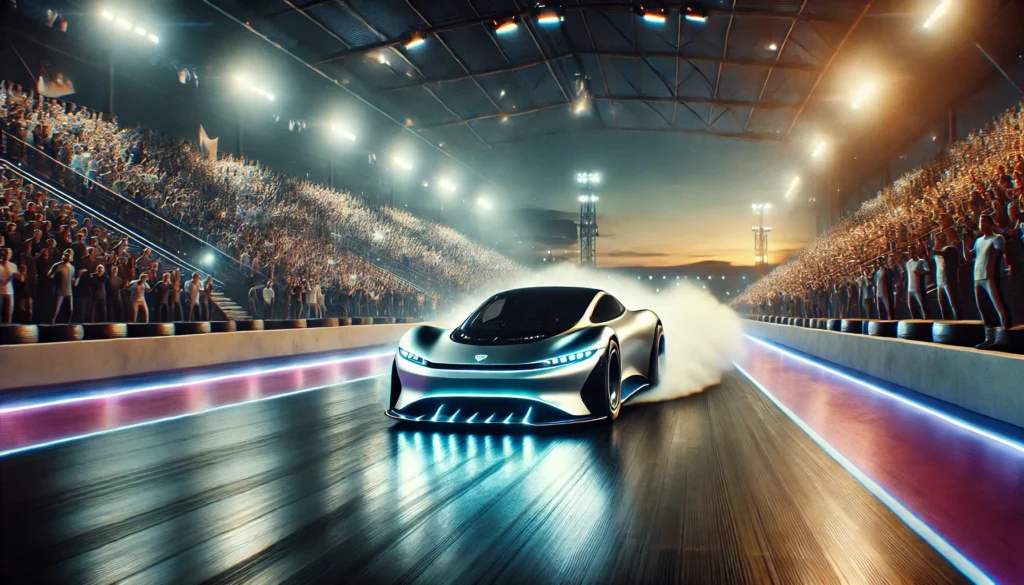
Electric vehicles are no longer just practical options for eco-conscious drivers—they’ve proven they can dominate the drag strip too. Models like the Tesla Model S Plaid and the Rimac Nevera have showcased their ability to deliver jaw-dropping acceleration, often outpacing traditional internal combustion engine (ICE) cars in short sprints.
EVs have changed the game by demonstrating that speed and sustainability can coexist. This growing presence of electric cars in drag racing has drawn attention from fans, racers, and automakers alike, sparking discussions about how the sport’s rules should adapt to accommodate this electrifying new competitor.
Why EVs Are Changing the Rules
Drag racing has traditionally been structured around the characteristics of ICE cars, with rules focusing on factors like engine displacement, fuel type, and forced induction. These metrics, however, don’t apply to EVs. Instead, factors such as battery capacity, motor power, and overall weight are becoming the new benchmarks for competition.
The instant torque provided by electric motors allows EVs to achieve astonishing acceleration right off the line, often giving them a significant advantage over ICE cars in short-distance races. To level the playing field, some organizers are revisiting categories and classifications, creating divisions specifically for electric vehicles or adjusting existing rules to better account for their unique performance characteristics.
Another aspect that’s reshaping the rules is the need for charging infrastructure. Unlike gas-powered cars that can refuel quickly, EVs require charging stations, which presents logistical challenges for drag strips. In response, tracks are beginning to integrate high-speed charging solutions to ensure EV racers can compete multiple times in a single event.
The Benefits of EVs in Drag Racing
One of the standout benefits of EVs in drag racing is their consistency. Electric motors deliver uniform performance across multiple runs, eliminating many of the variables that affect traditional engines, such as fuel quality or temperature fluctuations. This reliability is especially appealing for racers who want to focus on strategy and precision.
EVs also offer an environmentally friendly alternative. With zero tailpipe emissions, they contribute to a cleaner racing environment while still delivering the high-speed thrills fans love. This aligns with the broader push toward sustainability in motorsports, making drag racing more appealing to a younger, eco-conscious audience.
The advanced technology in EVs, such as real-time performance monitoring and customizable power settings, adds a new layer of excitement and strategy to the sport. Racers can fine-tune their vehicles using software, adjusting settings for optimal performance depending on track conditions. This tech-forward approach is not only fascinating to watch but also sets the stage for a new generation of innovation in drag racing.
Challenges Facing EV Drag Racers
Despite their many advantages, EVs face challenges in the drag racing world. One of the biggest hurdles is battery performance. High-power runs drain batteries quickly, and managing heat buildup during multiple races can be a significant challenge.
There’s also a cultural adjustment underway. For many fans, the visceral sound and vibration of a roaring engine are integral to the drag racing experience. The near-silent operation of EVs may feel less dramatic, and while their performance is undeniable, it’s taking time for traditionalists to embrace this quieter form of racing.
Additionally, the high cost of performance EVs and their specialized components can be a barrier for amateur racers. As the technology becomes more widespread, these costs are expected to decrease, making EV drag racing more accessible to a broader range of participants.
The Future of Drag Racing with EVs
As EV technology continues to evolve, the future of drag racing looks increasingly electric. Faster charging solutions, lighter materials, and improved battery designs are on the horizon, all of which will enhance the competitiveness of EVs on the strip.
Automakers are playing a significant role in this transformation. Brands like Tesla, Porsche, and Lucid are pushing the boundaries of what EVs can achieve, and their involvement is inspiring new interest in the sport. Dedicated EV drag racing events and leagues are also gaining traction, creating platforms for innovation and competition tailored to electric vehicles.
For fans and racers, this is an exciting time. The integration of EVs into drag racing is not about replacing tradition but expanding it. Electric vehicles bring fresh possibilities and new challenges, ensuring that the sport continues to evolve while staying true to its roots.
A New Era of Drag Racing
Drag racing with EVs is more than just a trend—it’s a glimpse into the future of motorsports. By embracing electric power, the sport is proving that it can adapt to the demands of a changing world while delivering the same high-speed excitement it’s always been known for.
Whether you’re a fan of the thunderous roar of ICE engines or the cutting-edge performance of electric motors, one thing is certain: the drag strip has never been more dynamic. As the rules evolve and EVs take their place alongside traditional racers, drag racing is entering a new era—one where speed, innovation, and sustainability drive the competition forward.