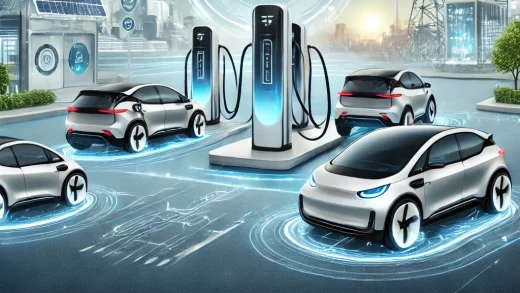
The electric vehicle (EV) revolution is charging ahead, and at its heart lies one critical component: the battery. In the world of EV innovation, few partnerships have been as influential as the one between Tesla and Panasonic. This collaboration has not only driven advancements in battery technology but also set a benchmark for the entire EV industry in the US and Europe.
Tesla’s relentless pursuit of sustainability and performance aligns perfectly with Panasonic’s expertise in battery development. Together, they are reshaping the landscape of energy storage and mobility, paving the way for a cleaner, more electrified future.
The Power of Collaboration
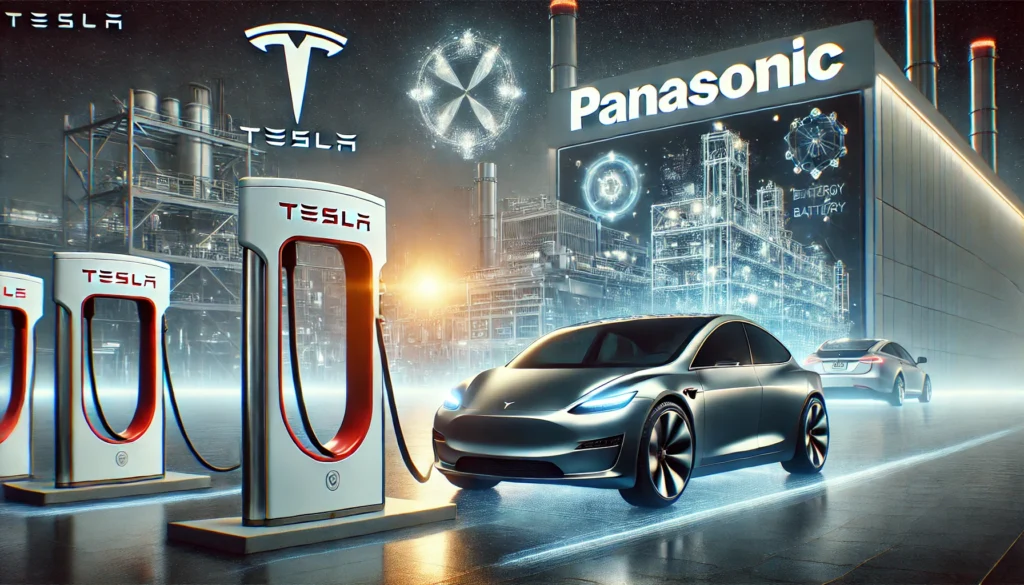
Tesla and Panasonic joined forces with a shared vision of advancing lithium-ion battery technology. This partnership has been instrumental in scaling up production and innovating energy storage solutions, ensuring that Tesla’s vehicles deliver on their promise of performance and sustainability.
At the core of their collaboration is the Gigafactory, a state-of-the-art facility that produces batteries at an unprecedented scale. Located in the US, this factory is a symbol of the duo’s commitment to innovation and efficiency. By manufacturing batteries in-house, Tesla and Panasonic have reduced costs, streamlined supply chains, and maintained strict quality control standards.
The Gigafactory is not just a manufacturing hub; it’s a center for innovation. It’s where research and development efforts come together to create batteries that are more energy-dense, longer-lasting, and sustainable.
Pushing the Boundaries of Battery Technology
Tesla and Panasonic are not content with the status quo. They are constantly exploring ways to improve battery performance, focusing on factors like energy density, charging speed, and durability. One of the key innovations to emerge from their partnership is the development of cylindrical cells, a design that balances performance and affordability.
Energy density is a major focus area. By increasing the amount of energy a battery can store, Tesla’s vehicles can travel farther on a single charge. This is particularly important for consumers in the US and Europe, where driving distances and charging infrastructure vary widely.
Fast charging is another area of advancement. As more EV drivers prioritize convenience, Tesla and Panasonic are working to create batteries that can recharge quickly without compromising longevity. This innovation not only enhances the user experience but also addresses range anxiety, a common concern among potential EV buyers.
Sustainability at the Core
Sustainability is a cornerstone of Tesla and Panasonic’s partnership. As the demand for EVs grows, so does the need for environmentally friendly manufacturing practices. Both companies are committed to reducing the carbon footprint of battery production, ensuring that the shift to electric mobility is truly green.
Recycling is a key component of this effort. By reclaiming valuable materials like lithium, nickel, and cobalt from used batteries, Tesla and Panasonic are reducing reliance on mining and minimizing waste. This approach supports the circular economy, where materials are reused rather than discarded.
The Gigafactory itself is a testament to sustainability. It is designed to be powered by renewable energy, aligning with Tesla’s broader mission of accelerating the world’s transition to sustainable energy.
Supporting EV Adoption in the US and Europe
The Tesla-Panasonic partnership has had a profound impact on EV adoption, particularly in the US and Europe. By driving down battery costs and improving performance, they have made EVs more accessible to a wider audience. This is crucial in regions where governments and consumers are prioritizing the transition to cleaner transportation.
In the US, where long-distance driving is common, Tesla’s advancements in battery range have made EVs a practical choice for everyday use. Meanwhile, in Europe, where cities are increasingly focused on reducing emissions, Tesla’s efficient and sustainable vehicles are a perfect fit for urban environments.
The partnership has also spurred competition in the battery market, encouraging other manufacturers to innovate and invest in EV technology. This ripple effect is accelerating progress across the industry, benefiting both consumers and the planet.
Looking Ahead
The road ahead for Tesla and Panasonic is filled with exciting possibilities. As battery technology continues to evolve, their collaboration will remain at the forefront of innovation. From next-generation materials to new manufacturing techniques, the duo is poised to shape the future of energy storage.
One promising development is the exploration of solid-state batteries. These batteries, which replace liquid electrolytes with solid materials, have the potential to offer even greater energy density and safety. Tesla and Panasonic’s research efforts could bring this game-changing technology to market.
Another area of focus is grid-scale energy storage. As renewable energy sources like wind and solar become more prevalent, the need for efficient energy storage solutions is growing. Tesla and Panasonic are well-positioned to address this demand with their expertise in battery technology.
A Partnership That Drives Change
Tesla and Panasonic’s partnership is more than just a business collaboration; it’s a force driving the transition to sustainable transportation and energy. By combining Tesla’s vision for innovation with Panasonic’s technical expertise, they have created a synergy that is transforming the EV landscape.
For consumers in the US and Europe, this means access to vehicles that are not only high-performing but also environmentally responsible. For the world, it’s a step closer to a future where clean energy powers every journey.
As the EV market continues to grow, the Tesla-Panasonic partnership will remain a key player in shaping the industry. Their dedication to pushing the boundaries of what’s possible ensures that the road ahead is bright, sustainable, and electrified.