The electric vehicle (EV) industry is moving faster than ever, with automakers and technology companies forming strategic partnerships to address the unique challenges of electrification. One collaboration that has captured attention in the US and Europe is the partnership between Stellantis, one of the world’s leading automakers, and Infineon Technologies, a global leader in semiconductor solutions. Together, they are shaping the future of EV semiconductors, paving the way for smarter, more efficient, and sustainable electric vehicles.
Semiconductors are the backbone of EVs, powering everything from battery management to infotainment systems. As the demand for EVs grows, so does the need for advanced semiconductor technology that meets the industry’s stringent requirements. Stellantis and Infineon’s collaboration is set to push the boundaries of what’s possible, ensuring that EVs are not only functional but also cutting-edge.
Why Semiconductors Are Crucial for EVs
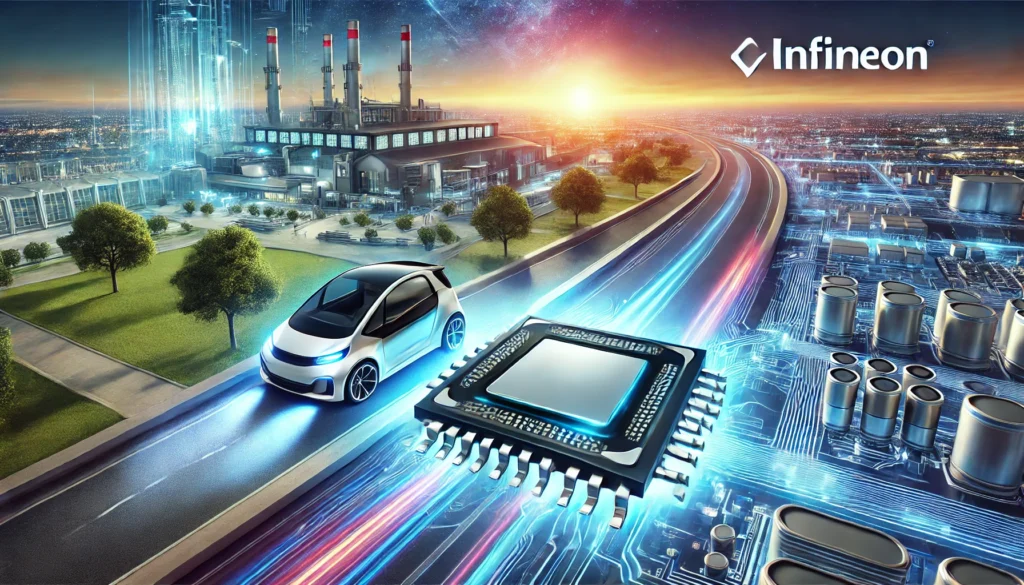
In an EV, semiconductors play a pivotal role in managing electrical energy. These tiny but powerful chips ensure that the vehicle’s systems operate seamlessly, optimizing performance while minimizing energy loss. From controlling the electric motor to enabling rapid charging, semiconductors are at the heart of an EV’s functionality.
With EVs becoming more complex and feature-rich, the demand for high-performance semiconductors has skyrocketed. They need to handle higher voltages, operate in extreme temperatures, and support advanced functionalities like autonomous driving and connectivity. This is where Infineon’s expertise in power electronics and Stellantis’ commitment to innovation come into play.
The Stellantis and Infineon Partnership
Stellantis and Infineon have joined forces to create next-generation semiconductor solutions tailored for EVs. This partnership aligns with Stellantis’ strategy to electrify its vehicle lineup across key markets like the US and Europe. By working with Infineon, Stellantis gains access to cutting-edge semiconductor technology that ensures their EVs meet the highest standards of efficiency, reliability, and safety.
For Infineon, this collaboration is an opportunity to demonstrate its leadership in power semiconductors and expand its footprint in the rapidly growing EV market. The company specializes in silicon carbide (SiC) technology, a material that outperforms traditional silicon in high-power applications. SiC semiconductors are lighter, more efficient, and capable of operating at higher voltages, making them ideal for EV powertrains.
Unlocking Efficiency and Range
One of the biggest challenges for EV manufacturers is maximizing range while keeping energy consumption in check. Stellantis and Infineon are addressing this by integrating advanced power semiconductors into EV designs. SiC chips, for example, significantly reduce energy losses during power conversion, allowing more energy to reach the wheels.
This improved efficiency translates to longer driving ranges, a critical factor for consumers in the US and Europe where EV charging infrastructure is still expanding. Drivers can travel further on a single charge, reducing range anxiety and making EVs more practical for everyday use.
Moreover, Infineon’s semiconductor solutions support faster charging times, enabling EVs to recharge in minutes instead of hours. This aligns with Stellantis’ vision of creating EVs that are as convenient as traditional vehicles, if not more so.
Enhancing Sustainability
Sustainability is at the core of Stellantis and Infineon’s collaboration. By optimizing energy efficiency, their semiconductor solutions reduce the overall environmental impact of EVs. This is especially important in Europe, where stringent regulations aim to cut carbon emissions and promote clean energy adoption.
In addition to improving vehicle efficiency, these semiconductors support bidirectional charging capabilities. This technology allows EVs to feed electricity back into the grid or power homes, contributing to the development of smart energy ecosystems. By integrating EVs into renewable energy systems, Stellantis and Infineon are driving progress toward a more sustainable future.
Meeting Market Demand
The EV market in the US and Europe is growing rapidly, fueled by government incentives, stricter emissions regulations, and consumer demand for greener transportation options. Stellantis has already committed to electrifying its portfolio, with plans to launch a wide range of EVs across its popular brands.
To meet this demand, the Stellantis-Infineon partnership is focused on ensuring a stable supply of high-performance semiconductors. This is critical as global semiconductor shortages have highlighted the importance of secure supply chains. By working together, these companies are not only developing innovative solutions but also strengthening the infrastructure needed to support EV growth.
Driving the Future of Mobility
The collaboration between Stellantis and Infineon represents a significant step forward for the EV industry. Their combined expertise in automotive design and semiconductor technology is driving innovation that will shape the future of mobility. From enhanced performance to sustainable energy solutions, the results of this partnership will benefit drivers across the US and Europe.
As EVs continue to gain traction, the role of semiconductors will only grow in importance. Stellantis and Infineon are not just responding to current demands; they’re anticipating the needs of tomorrow’s drivers. Their work ensures that the EVs of the future will be more efficient, reliable, and accessible than ever before.
The future of EV semiconductors is bright, and Stellantis and Infineon are at the forefront of this exciting transformation. By combining their strengths, they are creating the technologies that will power the next generation of electric vehicles and redefine what’s possible in the automotive world. For consumers, this means a cleaner, smarter, and more connected driving experience. For the planet, it’s another step toward a sustainable and electrified future.