Ford Motor Company is taking a bold step toward the future of transportation through its collaborations with Qualcomm, one of the world’s leading technology innovators. By working together, these two industry giants are developing advanced AI-driven V2X communication systems and smart vehicle technologies that promise to reshape how people travel and interact with their cars. From enhancing road safety to optimizing traffic flow, these innovations open new possibilities for drivers in the U.S. and Europe, where the demand for intelligent, eco-friendly mobility solutions is on the rise.
The Vision Behind Ford and Qualcomm’s Collaboration
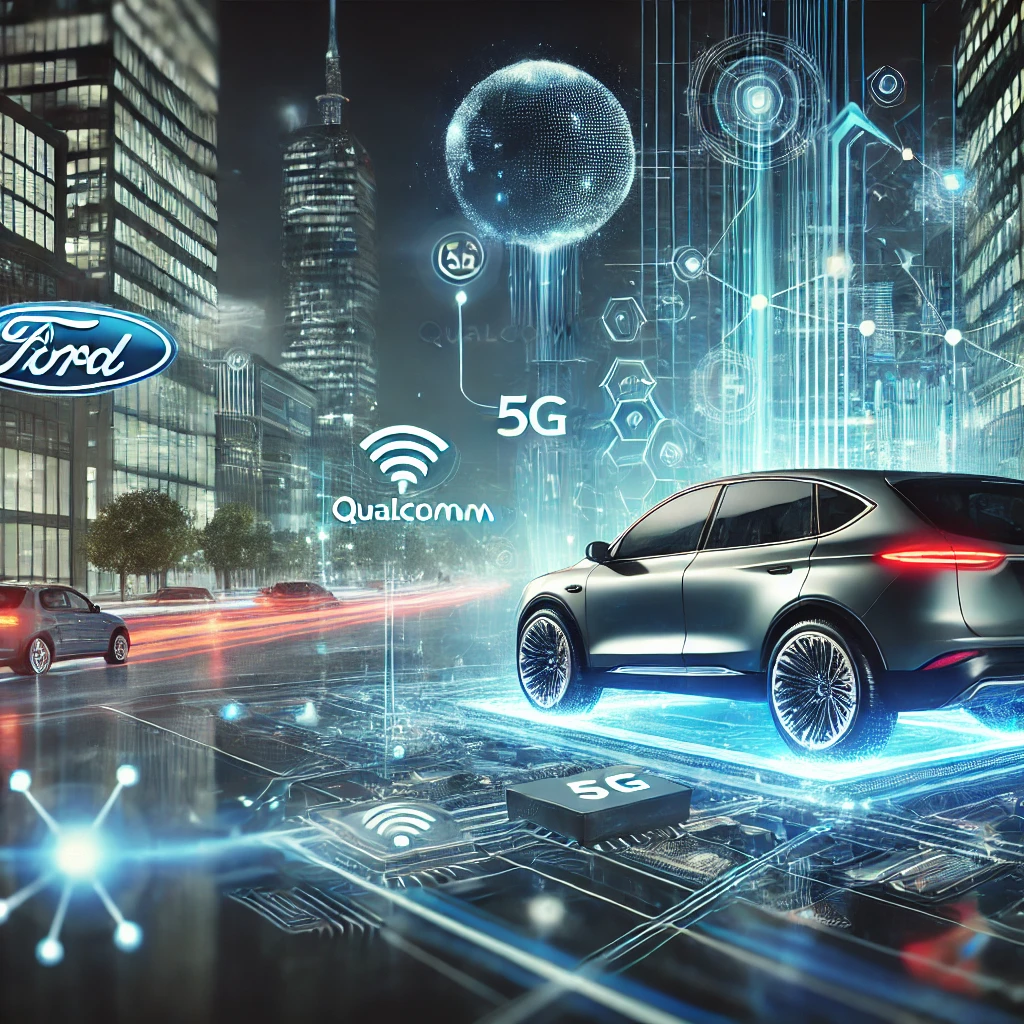
Ford has always been a pioneer in adopting new technologies, and its partnership with Qualcomm reflects a shared vision of a more connected and efficient world. By leveraging Qualcomm’s expertise in AI, wireless communication, and automotive technology, Ford aims to create vehicles that are no longer just modes of transport but intelligent platforms capable of understanding their surroundings in real time.
Central to this vision is the concept of V2X communication, which stands for vehicle-to-everything. Through V2X, vehicles can communicate with other cars, traffic lights, roadside infrastructure, and even pedestrians’ smartphones. AI-driven systems process this information, allowing cars to predict traffic patterns, avoid collisions, and ultimately reduce congestion and emissions. For drivers in the U.S. and Europe, this translates to safer roads, shorter commutes, and a more enjoyable traveling experience.
Building Blocks of AI-Driven V2X Communication
At the heart of these advancements is a set of powerful technologies that enable cars to think, learn, and adapt. AI-driven V2X communication relies on sophisticated algorithms that analyze data from multiple sources, including cameras, radar, lidar, and GPS. These sensors help the vehicle understand the environment, anticipate hazards, and make informed decisions.
Qualcomm’s automotive platforms integrate smoothly with Ford’s vehicle architecture, enabling seamless communication between the car’s internal systems and the outside world. This integration creates a continuous data flow that gives cars the intelligence they need to navigate crowded urban centers in Europe or sprawling highways in the U.S. with equal ease. As a result, the vehicles become not just connected but truly collaborative participants in the mobility ecosystem.
Safer Roads and Improved Traffic Flow
One of the most immediate benefits of AI-driven V2X communication is improved road safety. When vehicles can communicate with traffic lights, for example, they can adjust their speed to avoid sudden stops and starts, reducing the risk of collisions. The car’s AI can also detect pedestrians or cyclists, giving drivers timely alerts or even initiating automatic braking if a potential collision is imminent.
In Europe’s historic cities, where streets are often narrow and intersections complex, this level of intelligence can help reduce accidents and protect vulnerable road users. In the U.S., where long commutes and highway driving are common, AI-driven V2X can help maintain smoother traffic flow, cutting down on congestion and minimizing the frustration of stop-and-go traffic.
Supporting Autonomous Driving and Shared Mobility
These technologies are not limited to improving the driving experience today; they also lay the groundwork for the future of autonomous driving and shared mobility services. As cars become more aware of their surroundings, it becomes easier for them to operate with greater independence and reliability. This is crucial in advancing toward higher levels of vehicle autonomy, where cars can take over driving tasks without human intervention.
In both the U.S. and Europe, the push for more sustainable and efficient transportation networks has led to the rise of car-sharing and ride-hailing services. With AI-driven V2X communication, vehicles in these fleets can interact and coordinate to serve passengers more efficiently, reducing idle time and resource consumption. This helps create a more eco-friendly transportation system, a priority for many cities and policymakers on both continents.
Global Impact on Technology and Standards
Ford’s collaboration with Qualcomm is not happening in isolation. These efforts are influencing the automotive industry worldwide, encouraging automakers, suppliers, and regulators to work together in setting standards for connected and autonomous vehicles. By demonstrating the real-world benefits of AI-driven V2X systems, Ford and Qualcomm are inspiring other industry players to adopt similar technologies.
This international collaboration also ensures that solutions are compatible with different regulatory environments. Europe, for example, has stringent safety and environmental requirements, while the U.S. market may emphasize convenience and scalability. By addressing these diverse needs, Ford and Qualcomm’s approach ensures that the technology can thrive in different regions while maintaining a consistent standard of performance and safety.
Looking Ahead to a Smarter, More Connected Future
The world of mobility is changing rapidly, and Ford’s partnership with Qualcomm represents a significant milestone in the evolution of connected and intelligent vehicles. By investing in AI-driven V2X communication and smart vehicle technologies, Ford is helping drivers in the U.S. and Europe embrace a future where cars are safer, more efficient, and fully integrated into their environment.
As these technologies continue to advance, the line between car and computer will blur even further, transforming vehicles into dynamic platforms that enhance every aspect of our travel experience. The result is a mobility ecosystem that is not just about getting from one place to another, but about creating a seamless, intuitive, and sustainable way to move through the world.