The global transition to electric vehicles (EVs) is gaining momentum, with automakers forging new partnerships to drive innovation and scale production. One of the most exciting collaborations in the automotive world today is between Ford and Volkswagen. These two automotive giants are joining forces to develop EV platforms that promise to reshape the industry in the US and Europe.
This partnership brings together Ford’s iconic brand identity and Volkswagen’s expertise in modular EV technology. It’s a collaboration built on shared goals: accelerating EV adoption, reducing emissions, and creating vehicles that meet the evolving needs of modern consumers.
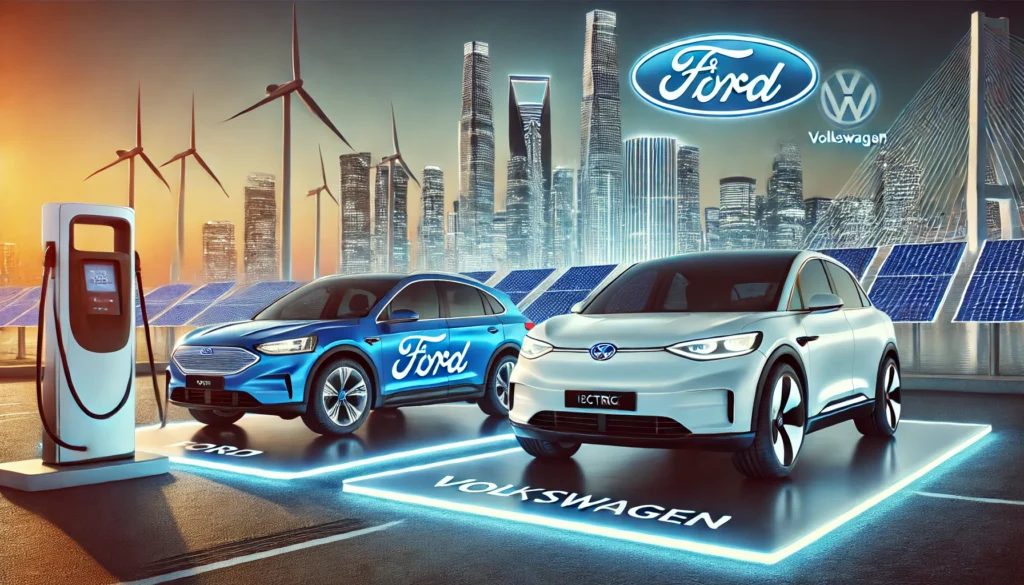
Why Ford and Volkswagen Joined Forces
Ford and Volkswagen are competitors on the surface, but their collaboration is rooted in a shared understanding that the future of transportation is electric. The rapid rise in consumer demand for EVs, combined with stricter emissions regulations in both the US and Europe, has pushed automakers to innovate faster than ever before.
By pooling their resources, Ford and Volkswagen can leverage each other’s strengths. Volkswagen’s Modular Electric Drive Matrix (MEB) platform, designed specifically for EVs, serves as the foundation for many of the vehicles produced through this partnership. Ford, meanwhile, contributes its deep understanding of the US market, its reputation for rugged and reliable vehicles, and its manufacturing prowess.
This collaboration allows both companies to achieve economies of scale, reducing production costs while delivering high-quality EVs to customers. It’s a win-win situation that benefits not only the automakers but also the consumers who will have access to a broader range of electric options.
The MEB Platform: A Game-Changer in EV Design
At the heart of this partnership is Volkswagen’s MEB platform, an innovative modular design that can be adapted to create a wide variety of electric vehicles. From compact city cars to spacious SUVs, the MEB platform provides the flexibility automakers need to cater to different markets and consumer preferences.
Ford is already using the MEB platform to develop new electric models tailored to the needs of its customers in the US and Europe. These vehicles combine Ford’s signature design and performance with the advanced technology and efficiency of Volkswagen’s platform. For drivers, this means access to EVs that offer long ranges, fast charging, and a seamless driving experience.
The MEB platform’s ability to support high-volume production is another key advantage. By standardizing many of the underlying components, Ford and Volkswagen can bring new models to market more quickly and at a lower cost. This approach is critical for meeting the growing demand for EVs and making them more affordable for a wider audience.
Expanding EV Options in the US and Europe
One of the most exciting aspects of the Ford-Volkswagen collaboration is the diversity of EVs it will bring to market. In Europe, Volkswagen has already established itself as a leader in electric mobility with its ID. family of vehicles. Ford is now using the MEB platform to develop its own EVs for the region, focusing on practicality, performance, and affordability.
In the US, where Ford has a strong presence with its trucks and SUVs, the collaboration opens up new possibilities for electrifying these popular vehicle categories. Ford’s use of the MEB platform ensures that these electric trucks and SUVs will deliver the performance and durability that American drivers expect, while also embracing the benefits of zero-emission technology.
The partnership also reflects a commitment to meeting the unique needs of each market. For European customers, this means EVs optimized for urban driving and compact spaces. For US consumers, it means rugged and powerful vehicles designed for long road trips, towing, and adventure.
A Focus on Sustainability
Sustainability is a core driver of the Ford-Volkswagen collaboration. Both companies are committed to reducing their carbon footprints and supporting the global shift toward renewable energy. By sharing technology and production facilities, they can reduce waste and optimize resource use.
The MEB platform itself is designed with sustainability in mind. Its modular approach minimizes the environmental impact of production, while its lightweight design improves energy efficiency. For consumers, this translates into EVs that are not only better for the planet but also more economical to operate.
In addition to developing electric vehicles, Ford and Volkswagen are investing in charging infrastructure and renewable energy solutions. This holistic approach ensures that their EVs are supported by the ecosystem needed for widespread adoption.
What This Means for the Future of EVs
The partnership between Ford and Volkswagen represents a significant step forward for the EV industry. By working together, these two automakers are accelerating the development of electric vehicles that are accessible, efficient, and tailored to the needs of modern drivers.
For consumers in the US and Europe, this collaboration means more options, better performance, and a smoother transition to electric mobility. Whether you’re looking for a practical city car, a family-friendly SUV, or a rugged truck, the vehicles born from this partnership are designed to meet your needs.
As Ford and Volkswagen continue to innovate and expand their EV offerings, their collaboration will play a crucial role in shaping the future of transportation. It’s a partnership that goes beyond competition, demonstrating the power of collaboration in driving the world toward a cleaner, greener, and more connected future. For drivers, the result is simple: more choice, better technology, and a brighter future on the road.