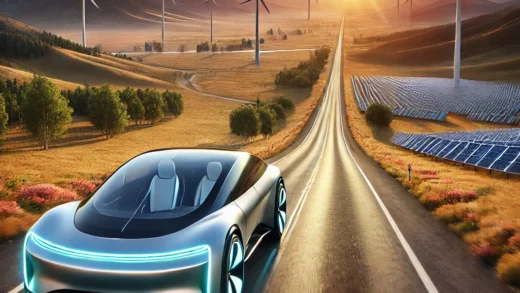
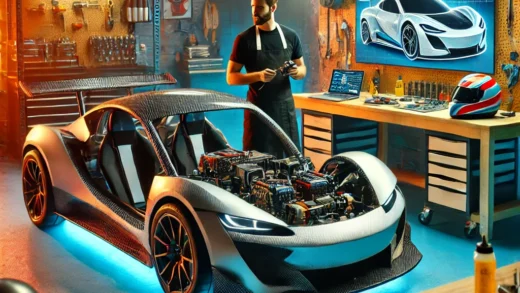
As electric vehicles (EVs) continue to dominate discussions around sustainable transportation, the way we charge these vehicles is evolving too. One of the most exciting developments in the EV landscape is wireless charging. In 2024, the potential of wireless EV charging technology, also known as inductive charging for cars, is beginning to take shape. This blog explores the future of wireless charging, its benefits, and how it could change the way we think about powering our electric vehicles.

Understanding Wireless EV Charging
Wireless EV charging is an innovative technology that allows electric vehicles to charge without the need for traditional cables or plugs. Instead, it uses electromagnetic fields to transfer energy between a charging pad installed on the ground and a receiver unit on the vehicle. This method, often referred to as inductive charging, offers a seamless charging experience, eliminating the hassle of plugging and unplugging cables.
While wireless charging may sound futuristic, it’s already being tested and implemented in various forms across the United States. Several automakers and tech companies are collaborating to develop this technology, and its potential benefits are drawing significant attention.
The Benefits of Inductive Charging for Cars
One of the most significant advantages of wireless EV charging is convenience. Imagine simply parking your vehicle over a charging pad and walking away, knowing that your car is charging without any physical connection. This could be especially beneficial in urban environments where parking spaces are often limited and the risk of cable damage is higher. Wireless charging stations could be integrated into parking lots, streets, and even garages, making it easier for EV owners to recharge their vehicles without any fuss.
Another major benefit is the potential for automated charging. Future applications may include charging roads that continuously power vehicles as they drive over them. This could reduce the need for extensive charging infrastructure and could keep electric vehicles charged during their journeys, enhancing their range and reducing the anxiety associated with running out of battery power.
Moreover, wireless EV charging can lead to improved safety. Without exposed wires and cables, the risk of tripping or electrical hazards is minimized. This aspect could be particularly appealing to public spaces and residential areas where safety is a priority.
Current Developments in Wireless Charging
As of 2024, several companies are actively working on developing and deploying wireless EV charging systems in the U.S. Notable players in this field include companies like WiTricity and Qualcomm, which are at the forefront of inductive charging technology. Some automakers, such as BMW and Mercedes-Benz, have already introduced vehicles equipped with wireless charging capabilities, and trials are underway in select cities.
These pilot programs are essential for testing the technology’s practicality and performance in real-world conditions. Early results show promise, with users appreciating the convenience and efficiency of wireless charging. As more data becomes available, it will be easier to gauge the long-term feasibility of this technology for widespread adoption.
Challenges to Overcome
While the future of wireless EV charging looks bright, there are still challenges to overcome. One of the primary concerns is efficiency. Current wireless charging systems are generally less efficient than traditional wired charging methods, which can lead to longer charging times. Researchers and engineers are actively working to improve the efficiency of inductive charging systems, aiming to minimize energy loss during the charging process.
Another challenge is the initial cost of installation. Setting up wireless charging infrastructure may require significant investment, both for the charging stations themselves and the technology required to integrate them into existing systems. As technology advances and economies of scale come into play, it’s likely that these costs will decrease over time.
The Road Ahead
As we look ahead, the future of wireless EV charging in the U.S. appears promising. With continued advancements in technology and growing consumer interest, we may see more widespread adoption of inductive charging for cars in the coming years. This shift could reshape the way we think about electric vehicle charging, making it more accessible and convenient for everyone.
In summary, wireless EV charging represents a significant leap forward in the evolution of electric vehicles. As the technology matures, it could eliminate the hassles associated with traditional charging methods, making electric vehicle ownership even more appealing. By embracing cable-free car charging, we can look forward to a future where powering our vehicles is as effortless as parking them. The road to this new era may still have a few bumps, but the journey toward a more convenient and efficient electric vehicle charging experience is well underway.