As the world shifts toward sustainable transportation, electric vehicles (EVs) are no longer just an eco-friendly option—they’re becoming a thrilling part of our everyday lives. One of the key drivers of innovation in this space is Formula E, the premier electric racing league. While its sleek cars and high-octane races captivate global audiences, its influence goes far beyond the racetrack. In the United States, Formula E is shaping the future of consumer EVs in ways both subtle and profound.
The Thrill of Formula E
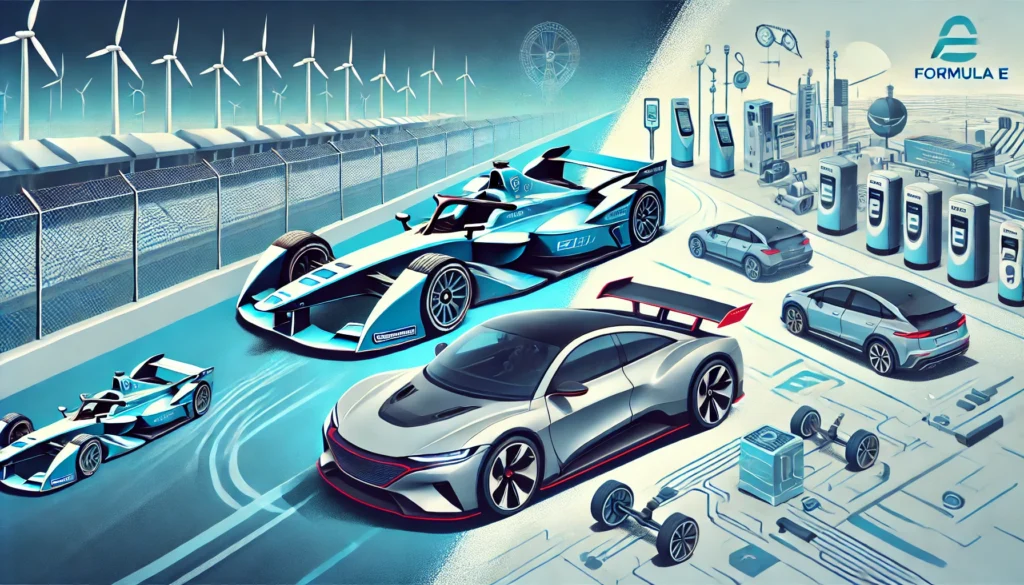
Formula E is a high-speed electric racing championship where cutting-edge technology meets adrenaline-fueled competition. Launched in 2014, the league has quickly gained traction among U.S. fans for its futuristic appeal, emphasis on sustainability, and urban street circuits that bring the action closer to spectators.
Unlike traditional motorsports, Formula E focuses on efficiency as much as performance. Teams compete not only to win races but to optimize energy usage and develop groundbreaking technologies. The result? An arena where engineering innovation takes center stage, with breakthroughs that often find their way into everyday electric vehicles.
Bridging the Gap Between Track and Road
In 2025, the connection between Formula E and consumer cars is more tangible than ever, particularly in the U.S. auto market. Automakers like Porsche, Nissan, and Jaguar, which participate in Formula E, are leveraging their racing expertise to enhance their consumer EV offerings. Technologies refined on the racetrack are influencing battery efficiency, motor design, and software optimization in road-going electric cars.
One key area of innovation is battery technology. Formula E races demand lightweight, high-capacity batteries capable of delivering sustained power while minimizing energy loss. These advancements are directly translating to consumer EVs, allowing American drivers to enjoy longer ranges and faster charging times.
Similarly, the electric drivetrains developed for Formula E cars are setting new benchmarks for efficiency and power delivery. With improved motor designs and regenerative braking systems, today’s consumer EVs are more dynamic and energy-efficient than ever before, thanks to lessons learned on the racing circuit.
Raising Awareness and Driving EV Adoption
Formula E isn’t just about pushing the boundaries of technology—it’s also a platform for raising awareness about the benefits of electric mobility. In the U.S., where EV adoption is steadily rising but still lags behind countries like Norway and China, the league plays a critical role in changing perceptions.
By showcasing the excitement and potential of electric cars, Formula E helps dismantle outdated stereotypes about EVs being slow or unappealing. American consumers watching these races see firsthand that EVs can be just as thrilling, if not more so, than their gas-powered counterparts.
This cultural shift is particularly important as automakers in the U.S. aim to meet ambitious electrification goals. Brands like Ford, GM, and Tesla are investing heavily in electric models, and the excitement generated by Formula E helps build enthusiasm for these new offerings.
Sustainability and Urban Transformation
Another way Formula E is influencing the U.S. is by spotlighting sustainability. The league’s commitment to zero-emission racing aligns perfectly with growing environmental consciousness among American consumers. As cities across the country adopt stricter emissions standards, Formula E serves as a timely reminder of the role EVs can play in combating climate change.
The league’s urban focus also mirrors the evolving landscape of American transportation. With races held in iconic cities like New York, Formula E emphasizes the compatibility of EVs with dense urban environments. This is particularly relevant as U.S. cities invest in EV infrastructure and adopt policies to support clean energy transportation.
Challenges and Opportunities
Despite its positive impact, Formula E faces challenges in breaking into the mainstream in the U.S. The motorsport market here is dominated by traditional leagues like NASCAR and IndyCar, leaving Formula E with a smaller but growing fan base. However, as interest in sustainability and EVs continues to rise, the league’s influence is expanding.
For automakers and tech enthusiasts, Formula E represents an unparalleled opportunity to push the boundaries of what EVs can achieve. As more American companies get involved in the league, the pace of innovation will only accelerate, driving further advancements for both the racetrack and the driveway.
Conclusion
Formula E is more than just an electric racing league—it’s a driving force behind the evolution of EVs in the United States. From inspiring technological breakthroughs to reshaping consumer perceptions, the league is bridging the gap between cutting-edge motorsport and everyday driving.
As we move deeper into 2025, the impact of Formula E on the U.S. auto industry is impossible to ignore. Whether it’s improving battery performance, boosting EV adoption, or fostering a new generation of sustainable transportation, the legacy of this electrifying league is just beginning.