

In recent years, the transportation industry has undergone a significant transformation, with electric vehicles (EVs) leading the charge toward greener logistics. As we step into 2024, the environmental benefits of using EVs in logistics are becoming increasingly evident, making them a crucial part of sustainable transportation strategies. This blog explores the environmental impact of electric vehicle logistics in the United States, highlighting how they contribute to green logistics and why they are essential for our planet’s future.
Understanding Green Logistics
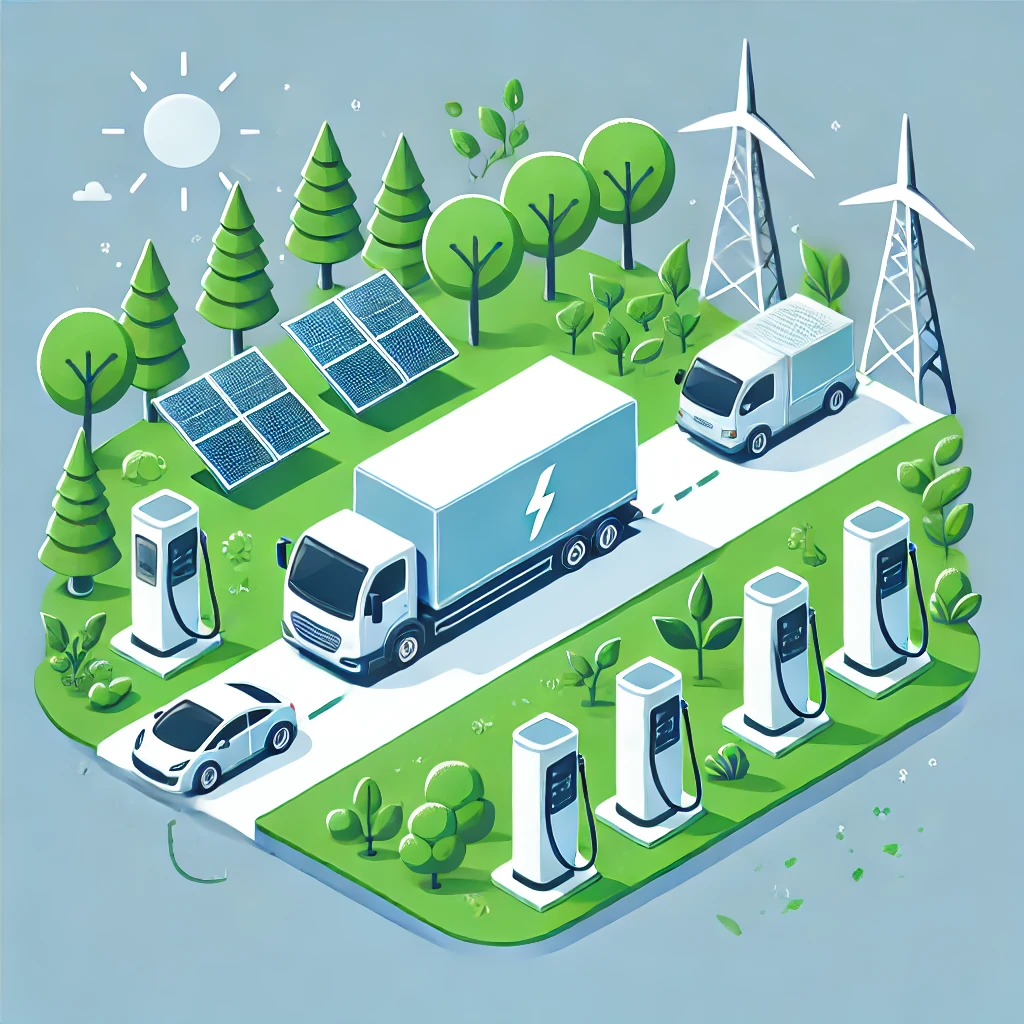
Green logistics refers to the process of optimizing logistics and supply chain operations while minimizing their environmental impact. As concerns about climate change and air pollution rise, businesses across the U.S. are turning to electric vehicles as part of their strategy to achieve sustainability goals. The transition to EVs in logistics is not just about cutting costs; it’s about embracing an environmentally responsible approach to transportation.
In 2024, the integration of electric vehicles into logistics operations is becoming more common. Companies are realizing that adopting EVs can significantly reduce greenhouse gas emissions, improve air quality, and contribute to a healthier planet. With various models available, ranging from delivery vans to long-haul trucks, the logistics sector is well-equipped to transition to electric vehicles.
The Positive Environmental Impact of EVs in Logistics
One of the most significant advantages of electric vehicles in logistics is their lower emissions. Unlike traditional diesel-powered trucks, electric vehicles produce zero tailpipe emissions. This translates to cleaner air, particularly in urban areas where delivery trucks frequently operate. In cities, reduced air pollution can lead to improved public health outcomes, resulting in fewer respiratory issues and a better quality of life for residents.
In addition to reducing air pollution, the use of EVs in logistics also helps decrease carbon emissions. The U.S. transportation sector is one of the largest sources of greenhouse gas emissions, contributing significantly to climate change. By replacing diesel vehicles with electric alternatives, logistics companies can play a pivotal role in reducing their carbon footprint. As renewable energy sources like solar and wind power become more prevalent, the overall lifecycle emissions of EVs will continue to decline, making them an even more sustainable option.
Furthermore, electric vehicles tend to be more energy-efficient than their internal combustion counterparts. EVs convert a higher percentage of electrical energy from the grid to power at the wheels, which means they use less energy to travel the same distance. This efficiency not only contributes to lower emissions but also reduces overall energy consumption in the logistics sector.
Challenges and Considerations
Despite the numerous environmental benefits, there are challenges associated with the widespread adoption of electric vehicles in logistics. One of the most significant hurdles is the charging infrastructure. While more charging stations are being installed across the U.S., the availability of fast-charging options can still be limited, particularly in rural areas. Logistics companies must strategically plan their routes to ensure their electric vehicles can be efficiently charged throughout the day.
Battery production is another aspect that warrants consideration. While EVs themselves produce no emissions during operation, the production of batteries can result in environmental impacts, including resource extraction and manufacturing emissions. However, advancements in battery technology and recycling methods are continually improving the sustainability of battery production.
Moreover, the initial investment for electric vehicles can be higher compared to traditional trucks. However, businesses should consider the long-term savings associated with lower fuel and maintenance costs. Many companies are finding that the return on investment for EVs, combined with the positive environmental impact, makes them a wise choice.
The Future of Electric Vehicle Logistics
As we move further into 2024, the future of electric vehicle logistics looks promising. With an increasing number of companies committed to sustainability, the demand for electric trucks and vans is expected to rise. Major logistics providers are already integrating electric vehicles into their fleets, showcasing the viability of this approach.
Government policies also play a crucial role in shaping the future of sustainable transportation. Incentives, tax credits, and grants aimed at promoting electric vehicle adoption can help alleviate some of the financial barriers that companies face. As regulations surrounding emissions tighten, transitioning to electric vehicles will become not only an environmentally responsible choice but also a business necessity.
The development of advanced logistics technologies, including route optimization and electric vehicle monitoring systems, will further enhance the efficiency of electric logistics operations. By leveraging data and analytics, companies can maximize the benefits of their electric fleets while minimizing their environmental impact.
Conclusion
In conclusion, the environmental impact of electric vehicle logistics is substantial and positive. As we navigate the challenges of climate change, transitioning to electric vehicles is a critical step toward achieving sustainable transportation. With their ability to reduce emissions, improve air quality, and enhance energy efficiency, hydrogen trucks, and fuel cell commercial vehicles are paving the way for a greener future. As the logistics industry embraces electric vehicles, we can look forward to a cleaner, healthier planet for generations to come.


