Electric vehicles (EVs) are changing the face of transportation, offering a cleaner, greener alternative to traditional gas-powered cars. Yet, as EVs become more popular in diverse climates, one challenge stands out: maintaining energy-efficient climate control in cold weather. European manufacturers have been pioneering advanced solutions to address this issue, and their innovations offer valuable insights for the United States as it expands its EV adoption.
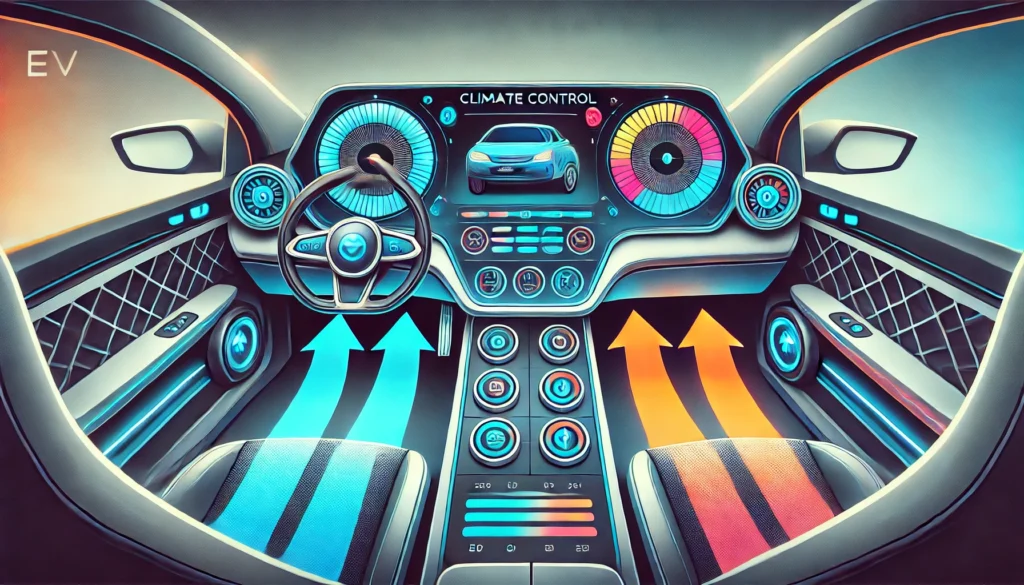
The Cold Weather Challenge for EVs
Extreme cold is tough on any vehicle, but it presents unique challenges for EVs. In freezing temperatures, battery performance can degrade, and the energy demands of heating the cabin can significantly reduce range. For many American drivers in colder states, this trade-off between comfort and range has been a sticking point when considering an EV.
European automakers, however, have faced these challenges head-on. With countries like Norway and Sweden leading in EV adoption, manufacturers in Europe have prioritized energy-efficient climate control systems. These innovations are now influencing the global EV market, including in the United States, where cold-climate solutions are increasingly sought after.
Heat Pumps: A Game Changer for EV Climate Control
One of the most significant advancements in energy-efficient climate control is the use of heat pumps. Unlike traditional resistive heaters that consume large amounts of electricity, heat pumps work by transferring heat from the outside air into the cabin, even in freezing conditions. This method requires far less energy, preserving battery life and extending driving range.
European EV models like the Renault Zoe and Hyundai Kona Electric have been using heat pump technology for years, proving its effectiveness in harsh winters. In the U.S., automakers such as Tesla and Ford have started incorporating heat pumps into their EVs, ensuring drivers in cold regions like Minnesota and Michigan can stay warm without sacrificing range.
Smart Thermal Management Systems
Another key innovation is the development of advanced thermal management systems. These systems optimize how heat is distributed and retained within the vehicle, ensuring minimal energy waste. For instance, preconditioning allows drivers to heat or cool their car while it’s still plugged into a charger, saving battery power for the journey.
European manufacturers have taken this a step further by integrating intelligent software that learns driving patterns and adjusts climate settings automatically. In the U.S., brands like Rivian and Lucid Motors are adopting similar strategies, offering features like cabin preheating and intelligent energy usage to tackle cold weather effectively.
Renewable and Sustainable Solutions
As sustainability remains a cornerstone of EV innovation, European automakers are exploring renewable energy sources for climate control. Solar-powered auxiliary systems, for example, are being tested to help power heaters and defrosters without drawing from the main battery. These technologies are still in their early stages but could revolutionize EV efficiency in the U.S., especially for drivers in areas with sunny winters.
Moreover, the use of recycled and sustainable materials in insulating cabins is gaining traction. Insulated panels, eco-friendly thermal linings, and advanced window coatings reduce heat loss, keeping interiors warmer with less energy. American automakers are beginning to adopt these practices, inspired by their European counterparts.
Why It Matters for the U.S.
While Europe’s focus on energy-efficient climate control stems from its colder climates, the U.S. stands to benefit greatly from these innovations. With states like Alaska, North Dakota, and Vermont experiencing harsh winters, American EV manufacturers must prioritize efficient climate control systems to meet consumer expectations.
Furthermore, the growing EV market in the U.S. aligns with government incentives for clean energy and sustainability. By incorporating advanced climate control technologies, automakers can not only improve the practicality of EVs in winter but also appeal to eco-conscious buyers looking for vehicles that minimize energy use.
The Road Ahead
As we step into 2025, the gap between European and American EV technology is narrowing. Heat pumps, smart thermal management, and sustainable design are no longer confined to the European market; they are becoming standard in new EV models in the U.S. This progress is critical as the U.S. moves toward ambitious electrification goals and strives to meet consumer needs across all climates.
For drivers in cold regions, the future of EVs is brighter—and warmer—than ever. With energy-efficient climate control systems inspired by European innovation, American EV owners can enjoy the comfort and range they deserve, even in the chilliest winters.
Conclusion
Energy-efficient climate control systems are a testament to how global collaboration drives progress in the EV industry. By learning from Europe’s advancements, U.S. automakers are addressing the cold-weather challenges of EVs head-on. In 2025, staying warm and eco-friendly has never been easier, proving that the next generation of electric vehicles is ready to tackle any climate.