The idea of cars that park themselves used to sound like something straight out of a sci-fi movie. Today, self-parking vehicles are not only real but are becoming an integral part of modern transportation. With advancements in automation and artificial intelligence, these vehicles are changing the way Americans approach driving and, more importantly, parking. But as self-parking technology becomes mainstream, what does it mean for parking infrastructure in the U.S.?
The Rise of Self-Parking Vehicles
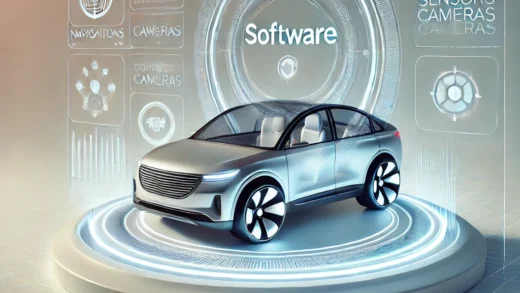
Self-parking vehicles, equipped with advanced sensors, cameras, and AI algorithms, can handle the tricky task of parking with minimal or no input from the driver. This technology has rapidly gained popularity in the U.S., where crowded urban centers and limited parking spaces make parking a daily challenge for millions.
Many automakers, including Tesla, BMW, and Ford, have introduced self-parking features in their vehicles. These systems allow cars to identify available spaces and navigate into them with precision. Some even offer remote parking options, where drivers can step out of the car and let it park itself using a smartphone app.
In 2025, self-parking technology is no longer a luxury reserved for high-end vehicles. It is increasingly being integrated into mid-range models, making it accessible to more Americans. This democratization of automation is paving the way for a shift in how parking spaces and infrastructure are designed.
Parking Infrastructure: A System Ready for Disruption
The U.S. parking infrastructure has long been designed for human drivers. Wide parking spaces, multi-story garages, and complex signage systems cater to people navigating their cars manually. But as self-parking vehicles grow in number, this traditional approach may no longer be necessary.
Self-parking cars don’t need extra space to maneuver. They can park closer together, reducing the overall area required for parking lots. This change could free up valuable real estate in urban areas, making room for parks, businesses, and housing. Automated parking garages are also a possibility, where cars are dropped off at the entrance and self-parking systems handle the rest. These garages can store cars more efficiently, stacking them like puzzle pieces without the need for human-accessible pathways.
Smart Cities and Connected Vehicles
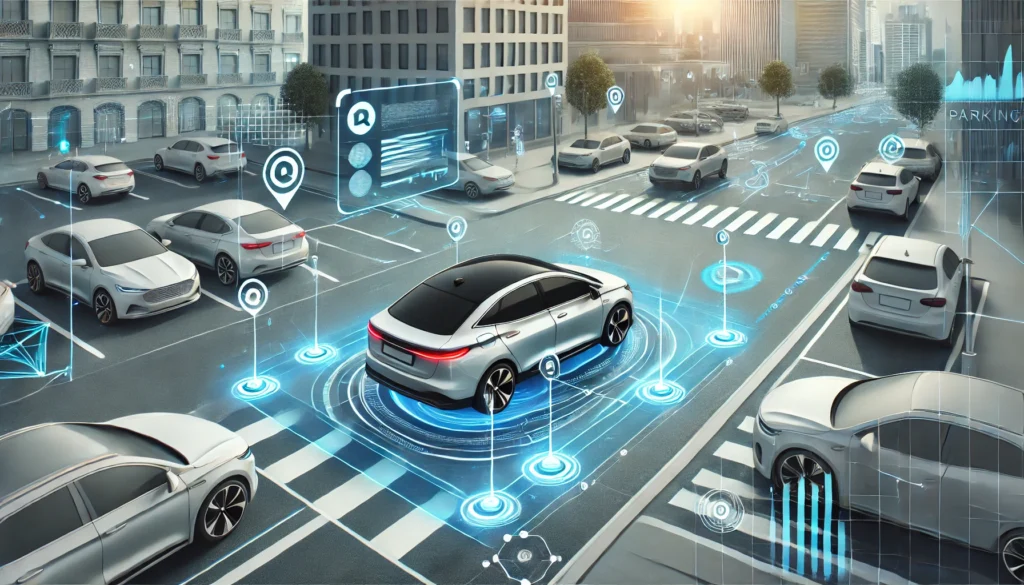
Self-parking vehicles align perfectly with the concept of smart cities. In a smart city ecosystem, cars and parking infrastructure can communicate seamlessly. For example, self-parking vehicles could connect with parking lot systems to find the closest available spot, reducing the time spent circling for parking. This would not only save time for drivers but also reduce traffic congestion and emissions caused by cars idling in search of parking.
In the U.S., cities like San Francisco and Boston are already experimenting with smart parking solutions, integrating sensors and IoT (Internet of Things) devices into parking infrastructure. The widespread adoption of self-parking vehicles could accelerate these initiatives, creating a more efficient and environmentally friendly urban experience.
Challenges in Transition
While the benefits of self-parking vehicles and advanced parking infrastructure are clear, the transition is not without its challenges. The cost of upgrading existing parking facilities to accommodate self-parking cars could be significant. Cities and private parking operators would need to invest in technology like sensors, cameras, and automation software.
There is also the question of standardization. Different automakers may use different communication protocols for self-parking systems, which could complicate the integration with public infrastructure. To fully realize the potential of self-parking vehicles, the U.S. would need to establish industry-wide standards and encourage collaboration between automakers, tech companies, and urban planners.
Another concern is consumer trust. While self-parking systems are highly advanced, drivers may take time to fully embrace the idea of relinquishing control to their vehicles. Education and consistent performance of self-parking technology will play a key role in building confidence among users.
The Road Ahead
Self-parking vehicles represent an exciting step forward in the evolution of transportation. They promise not only to make parking less stressful for drivers but also to transform how cities allocate space for vehicles. As these technologies become more common, the U.S. has an opportunity to reimagine its parking infrastructure in ways that promote efficiency, sustainability, and innovation.
In 2025, the question isn’t whether self-parking vehicles will impact parking infrastructure—it’s how soon and how profoundly. By embracing this technological shift, the U.S. can lead the way in creating smarter cities and a more seamless driving experience for its citizens.
Self-parking vehicles aren’t just about convenience; they’re a glimpse into the future of transportation, one where humans and machines work together to make urban life better. As the technology continues to advance, so too will the ways we think about and use parking spaces. The future is already here—now it’s time to park it.