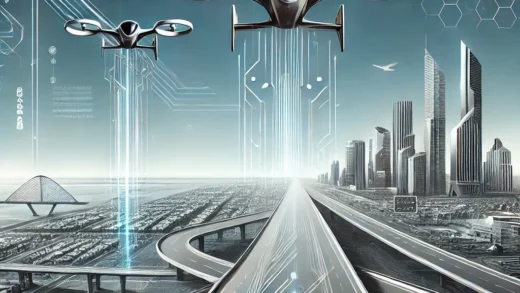
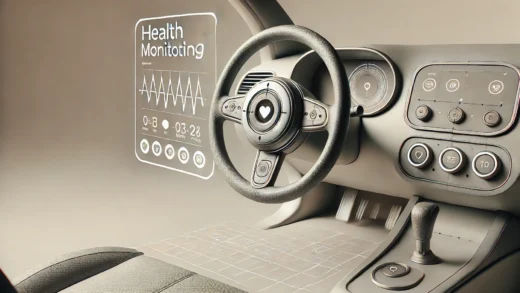
In the realm of futuristic transportation, one concept has captured the imagination of innovators and commuters alike: mixed-mode autonomous transport. Imagine a car that not only navigates bustling city streets autonomously but can also transform into a drone, soaring above traffic jams and difficult terrain. While it may sound like science fiction, this technology is rapidly becoming a reality in 2024.
Both the United States and Europe are racing to develop and adopt these groundbreaking vehicles, but their approaches and priorities differ. Let’s explore the world of cars that turn into drones, how they work, and how they could revolutionize mobility on both sides of the Atlantic.
What is Mixed-Mode Autonomous Transport?
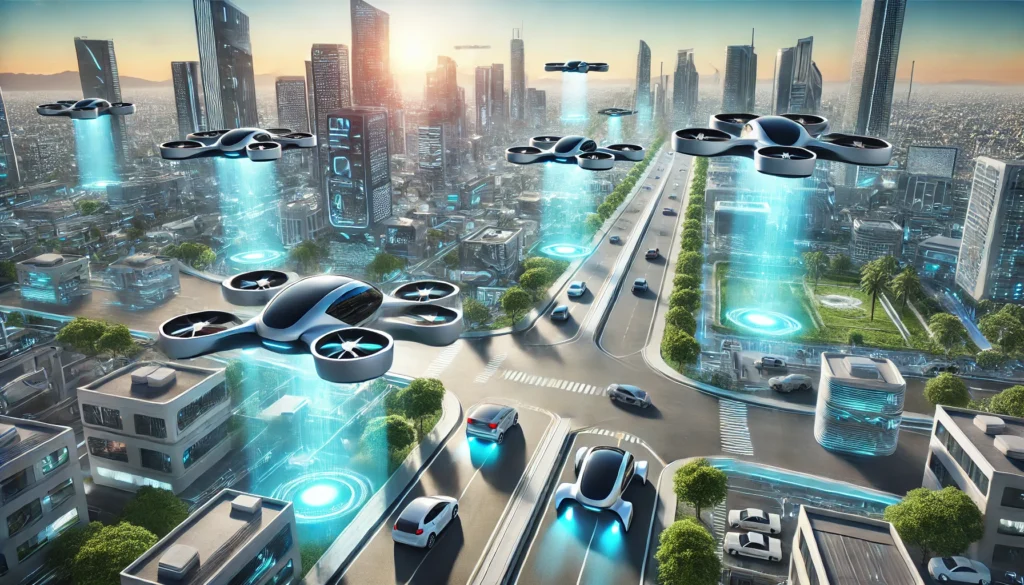
Mixed-mode autonomous transport combines the functionality of a self-driving car with the versatility of an aerial drone. These vehicles are designed to operate seamlessly on roads and in the air, adapting to the needs of the journey. With advanced AI and engineering, these cars can transition between modes, offering the best of both worlds.
On the ground, they function as fully autonomous vehicles, navigating urban traffic, parking, and providing a smooth ride. When faced with obstacles such as traffic congestion or challenging terrain, the car can transform into a drone, lifting off to continue the journey by air. This dual capability could redefine personal and commercial transportation, providing unparalleled flexibility and efficiency.
The US: Innovating for Wide-Open Spaces
In the United States, the development of mixed-mode transport is driven by the country’s vast landscapes and diverse transportation needs. American companies like Uber Elevate and Joby Aviation are leading the charge, envisioning a future where urban and suburban commuters can seamlessly transition between road and air travel.
The US’s sprawling cities and extensive highway systems make this technology particularly appealing. In regions like California and Texas, where long commutes and traffic congestion are common, a vehicle that can fly over bottlenecks offers immense potential. Mixed-mode transport could also benefit rural areas, where roads can be sparse or poorly maintained.
However, the regulatory environment in the US poses challenges. The Federal Aviation Administration (FAA) is working to develop standards for autonomous aerial vehicles, but integrating air traffic control for mixed-mode vehicles into existing systems remains complex. Despite these hurdles, the US’s culture of innovation and strong investment in autonomous technologies is driving rapid progress.
Europe: Sustainability and Integration
Europe’s approach to mixed-mode transport emphasizes sustainability and integration with existing transportation networks. Companies like Airbus and Volocopter are exploring drone-car hybrids with a focus on clean energy and urban mobility solutions.
European cities, known for their dense layouts and strict environmental regulations, are ideal for testing mixed-mode vehicles. These cars could reduce the strain on crowded streets while adhering to Europe’s ambitious climate goals. Many prototypes in Europe rely on electric propulsion, ensuring that the aerial component is as eco-friendly as the ground mode.
In cities like Paris and Amsterdam, where public transportation systems are already advanced, mixed-mode vehicles could complement existing infrastructure rather than replace it. They might be used for last-mile delivery or as on-demand air taxis, seamlessly connecting commuters to trains, buses, or cycling paths.
Regulation in Europe is more unified, thanks to the European Union’s efforts to standardize drone usage across member states. This cohesive framework is helping Europe stay ahead in developing and deploying mixed-mode autonomous transport.
Potential Benefits of Mixed-Mode Vehicles
The benefits of mixed-mode vehicles extend beyond personal convenience. For urban areas, they offer a solution to chronic traffic congestion, reducing the time spent idling on congested roads. By optimizing routes and combining ground and air travel, these vehicles could make commuting faster and more efficient.
From an environmental perspective, mixed-mode vehicles have the potential to lower emissions. Electric propulsion systems and optimized routing minimize energy consumption, making them a sustainable alternative to traditional cars.
For businesses, mixed-mode transport opens up new possibilities in logistics. Deliveries could bypass road traffic and reach customers faster, transforming industries such as e-commerce and healthcare.
Challenges and the Road Ahead
Despite their promise, mixed-mode vehicles face significant challenges. The cost of development and production is high, which could make them inaccessible to the average consumer initially. Safety is another concern, particularly in ensuring reliable operation during the transition between ground and air modes.
Regulatory frameworks for airspace usage will need to evolve to accommodate this new class of vehicles. In both the US and Europe, collaboration between automakers, tech companies, and government agencies will be essential to address these hurdles.
A Glimpse into the Future
Mixed-mode autonomous transport represents a bold leap forward in mobility. While there are challenges to overcome, the potential benefits in terms of convenience, efficiency, and sustainability are undeniable. In the US, these vehicles could transform the way people navigate vast landscapes, while in Europe, they could complement existing transportation systems with innovative solutions.
As technology continues to advance, the idea of cars that turn into drones is moving from fantasy to reality. In the not-so-distant future, you may find yourself flying over a traffic jam in a mixed-mode vehicle, experiencing a new era of mobility that was once only dreamed of.