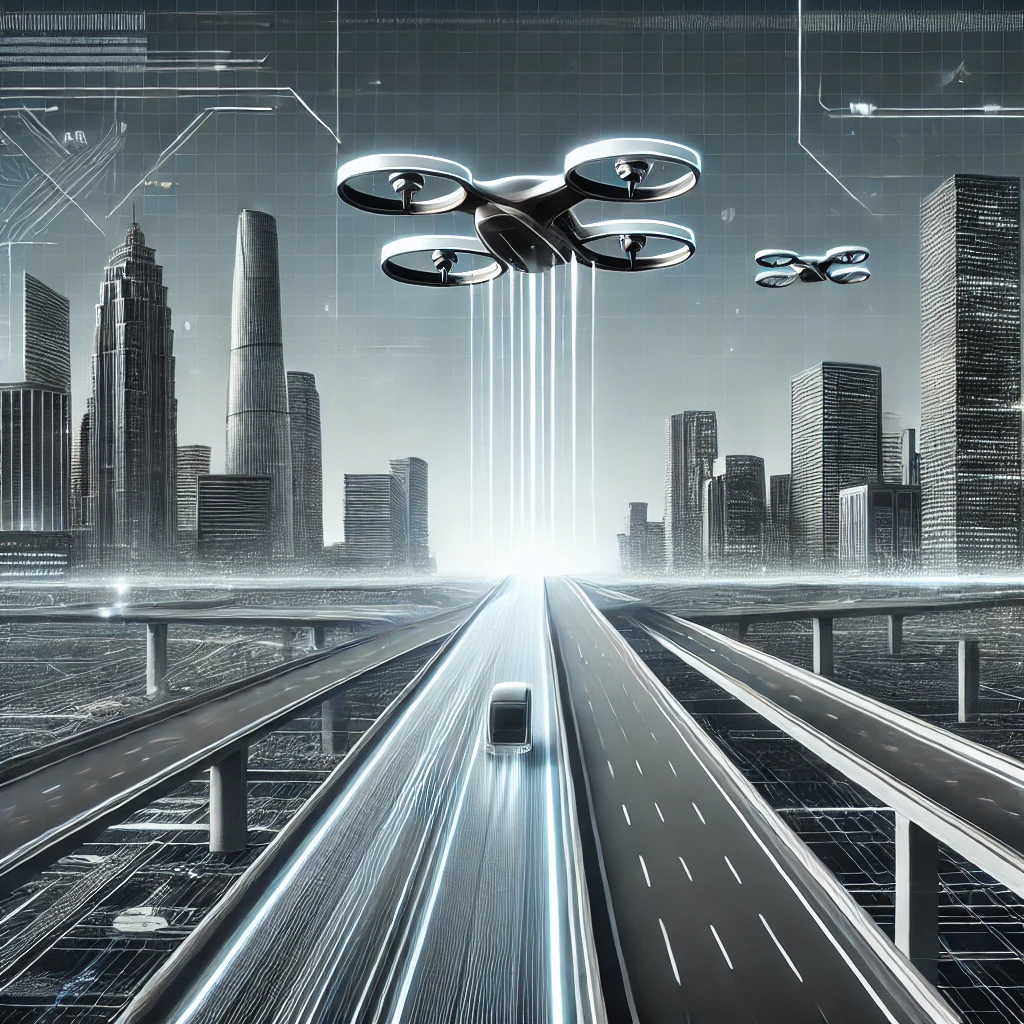
Flying cars, once a fantasy of science fiction, are now emerging as a potential reality in the transportation industry. Startups and established companies in the U.S. and Europe are racing to develop technologies that could revolutionize urban mobility, reduce congestion, and redefine personal and commercial travel. Despite the excitement, the flying car industry faces several challenges on its path to widespread adoption. However, these obstacles also create opportunities for innovation, collaboration, and growth.
Let’s take a closer look at the challenges the flying car industry must overcome and the opportunities it presents for a smarter and more connected future.
Navigating Regulatory Hurdles
One of the most significant challenges facing the flying car industry is regulation. Unlike traditional cars, flying cars need to comply with both aviation and automotive standards. In the U.S., the Federal Aviation Administration (FAA) plays a critical role in certifying airworthiness, while in Europe, the European Union Aviation Safety Agency (EASA) enforces stringent safety requirements.
Meeting these dual regulatory demands is no small feat. Manufacturers must prove their vehicles can operate safely in both air and ground environments, which involves rigorous testing, documentation, and compliance processes. Additionally, regulations surrounding pilot licensing and air traffic management need to evolve to accommodate flying cars.
While these hurdles may slow the rollout of flying cars, they also present opportunities for collaboration between governments, startups, and established companies. By working together to create clear and achievable regulatory frameworks, stakeholders can accelerate the industry’s growth while ensuring safety and reliability.
Infrastructure: Building the Future
Infrastructure is another critical barrier to the widespread adoption of flying cars. For these vehicles to become a practical mode of transportation, cities will need to invest in facilities such as vertiports, charging stations, and air traffic control systems. Current urban infrastructure, designed for ground-based vehicles, is not equipped to handle the unique needs of flying cars.
In the U.S., where sprawling cities and long commutes are common, the integration of flying cars into existing transportation networks could alleviate traffic congestion and improve accessibility. However, developing the necessary infrastructure will require significant investment and coordination among city planners, private companies, and government agencies.
In Europe, where dense urban areas and historic city layouts present unique challenges, infrastructure solutions must be carefully designed to minimize disruption. However, this challenge also creates an opportunity for innovation in urban planning. Smart city initiatives in Europe could pave the way for the seamless integration of flying cars into public transportation systems, creating a more sustainable and efficient urban mobility ecosystem.
Overcoming Technological Barriers
Flying cars rely on advanced technologies, including electric propulsion, autonomous navigation, and lightweight materials. While these technologies have made significant strides in recent years, challenges remain. Battery technology, for instance, must continue to improve to enable longer flight times and faster charging, making flying cars more practical for everyday use.
Autonomous navigation systems also need to reach a level of sophistication where they can handle complex airspace and urban environments. Ensuring these systems are robust and reliable is critical for earning public trust and meeting regulatory requirements.
The good news is that advancements in artificial intelligence, machine learning, and aerospace engineering are creating opportunities to address these challenges. Companies that succeed in developing efficient and reliable flying car technologies will not only lead the market but also contribute to broader innovations in electric vehicles and smart transportation.
Addressing Public Perception
Public perception is another factor that could influence the future of the flying car industry. While the idea of flying cars excites many, concerns about safety, affordability, and practicality linger. High-profile incidents involving autonomous vehicles have further highlighted the need for rigorous testing and transparent communication.
To address these concerns, companies must prioritize safety and reliability in their designs. Demonstrating that flying cars can operate safely in real-world conditions will be essential for building public trust. Additionally, creating affordable models and highlighting the convenience and environmental benefits of flying cars can help make them more appealing to a broader audience.
Opportunities for Growth and Sustainability
Despite the challenges, the flying car industry holds immense potential for growth. In the U.S., flying cars could transform long commutes, reduce traffic congestion, and connect underserved areas with urban centers. In Europe, the emphasis on sustainable mobility aligns perfectly with the goals of electric-powered flying cars, offering an eco-friendly alternative to traditional vehicles.
The rise of urban air mobility services, such as air taxis, represents a significant business opportunity. Companies that invest in this space now could shape the future of transportation, positioning themselves as leaders in a market projected to grow rapidly in the coming years.
The Road Ahead
The flying car industry is at an exciting crossroads. While challenges such as regulation, infrastructure, and public trust remain, the opportunities for innovation and transformation are immense. By addressing these barriers head-on, the industry can unlock a future where flying cars are not just a novelty but an integral part of our transportation networks.
For cities, businesses, and individuals, the emergence of flying cars represents a chance to embrace a smarter, greener, and more connected way of moving. With continued investment, collaboration, and technological advancements, the dream of flying cars may soon take flight in the skies above the U.S. and Europe.