Toyota Motor Corporation has made a bold move in the race toward autonomous driving by investing $3.3 billion in artificial intelligence (AI) to enhance driver assistance systems and automated driving capabilities. This significant investment, in collaboration with NTT Corporation, demonstrates Toyota’s commitment to redefining mobility while prioritizing safety, efficiency, and technological advancement.
As the automotive industry evolves, Toyota’s strategic focus on AI and its partnership with NTT signal a new era of innovation, with far-reaching implications for drivers in the U.S., Europe, and beyond.
Driving the Future with AI
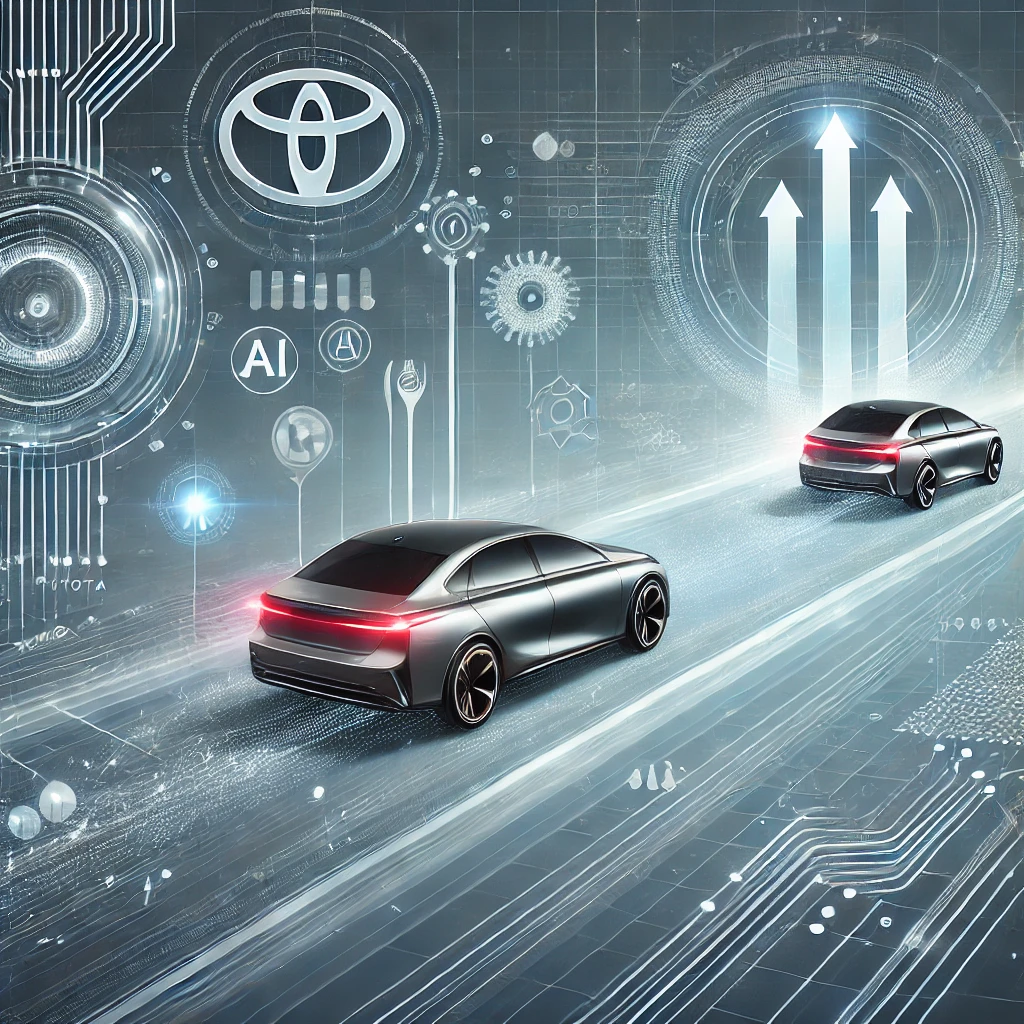
Toyota’s $3.3 billion investment underscores its ambition to lead in AI-powered vehicle technology. The collaboration with NTT Corporation combines Toyota’s expertise in automotive manufacturing with NTT’s advanced capabilities in AI, telecommunications, and data processing. Together, they aim to develop cutting-edge systems that not only enhance the driving experience but also address key challenges in autonomous mobility.
This initiative focuses on integrating AI into driver assistance systems, making vehicles smarter, more intuitive, and safer. By leveraging AI’s ability to process vast amounts of data in real time, Toyota is paving the way for cars that can make split-second decisions, predict potential hazards, and adapt to diverse driving conditions.
Enhancing Driver Assistance Systems
A core aspect of Toyota’s investment is the development of advanced driver assistance systems (ADAS). These systems are designed to improve vehicle safety and comfort by assisting drivers with tasks like lane-keeping, adaptive cruise control, and collision avoidance. AI-powered ADAS can go a step further by learning from individual driving habits, offering personalized recommendations, and predicting risky scenarios before they occur.
In the U.S., where long highway commutes are common, these systems can significantly reduce fatigue and improve road safety. In Europe, with its diverse and often challenging driving environments, Toyota’s advanced AI systems are particularly valuable for navigating urban traffic, complex intersections, and narrow roads.
By focusing on incremental automation, Toyota ensures that drivers remain in control while benefiting from enhanced safety and convenience. This approach aligns with Toyota’s philosophy of “guardian” technology—supporting drivers without fully replacing them.
A Collaborative Vision with NTT
The collaboration between Toyota and NTT is a powerful partnership that leverages both companies’ strengths. NTT brings its expertise in AI algorithms, big data analytics, and telecommunications, enabling seamless connectivity between vehicles, infrastructure, and the cloud. This connectivity is essential for real-time decision-making, as autonomous systems rely on precise, up-to-date information about their surroundings.
For example, Toyota and NTT are exploring ways to integrate AI with high-definition maps and sensor data to create vehicles that can respond dynamically to traffic changes, road conditions, and weather. This synergy not only enhances individual vehicle performance but also supports the development of smarter transportation ecosystems.
In Europe, where smart city initiatives are gaining momentum, this collaboration could play a pivotal role in integrating connected vehicles with urban infrastructure. In the U.S., the focus on long-distance travel and efficient highway systems makes these advancements equally relevant.
Paving the Path to Full Automation
While driver assistance is the current focus, Toyota’s investment in AI also lays the groundwork for higher levels of automation. The ultimate goal is to achieve Level 4 and Level 5 autonomy, where vehicles can operate independently in most or all conditions. However, Toyota recognizes the complexities of achieving full automation, particularly in regions with diverse regulations, road types, and driving behaviors.
In both the U.S. and Europe, Toyota’s approach to automation emphasizes a balance between innovation and practicality. By prioritizing safety and gradually introducing autonomous features, Toyota aims to build consumer trust and ensure its systems meet stringent regulatory standards.
The collaboration with NTT accelerates this journey, enabling Toyota to leverage AI for not only vehicle-level autonomy but also fleet management, logistics, and mobility services.
Impact on the Automotive Industry
Toyota’s $3.3 billion AI investment is a significant milestone that reflects the growing importance of automation and connectivity in the automotive sector. It sends a clear message to competitors and consumers alike: Toyota is committed to leading the charge in redefining transportation.
This move is also expected to spur further innovation across the industry, as competitors respond with their own advancements in AI and automation. For consumers, this translates into safer, smarter vehicles that offer greater convenience and reduced environmental impact.
In regions like Europe, where environmental regulations and sustainable mobility are priorities, Toyota’s AI-driven innovations align with broader goals of reducing emissions and improving urban mobility. In the U.S., where consumers value safety and reliability, Toyota’s advanced driver assistance systems have the potential to redefine what drivers expect from their vehicles.
Looking Ahead
Toyota’s $3.3 billion investment in AI and its collaboration with NTT mark a transformative moment in the journey toward automated driving. By focusing on driver assistance, connectivity, and long-term automation goals, Toyota is not only enhancing the driving experience but also shaping the future of mobility.
As this initiative unfolds, drivers in the U.S. and Europe can expect vehicles that are smarter, safer, and more connected than ever before. Toyota’s commitment to leveraging AI for both individual vehicles and larger transportation ecosystems is a testament to its vision of a world where mobility is seamless, sustainable, and inclusive. This is more than an investment—it’s a promise to lead the next chapter in automotive innovation.