In the fast-paced world of automotive innovation, the idea of a car that looks after your health is no longer a futuristic concept—it’s a growing reality. In 2025, in-car health monitoring systems are becoming an integral part of how vehicles prioritize driver safety and well-being. These systems go beyond traditional safety features, offering a blend of cutting-edge technology and healthcare solutions to keep drivers safe on the road.
The U.S. has emerged as a significant player in this space, with automakers and tech companies working together to integrate these life-saving features into vehicles. Let’s explore how in-car health monitoring systems are evolving and their impact on driving in the U.S.
What Are In-Car Health Monitoring Systems?
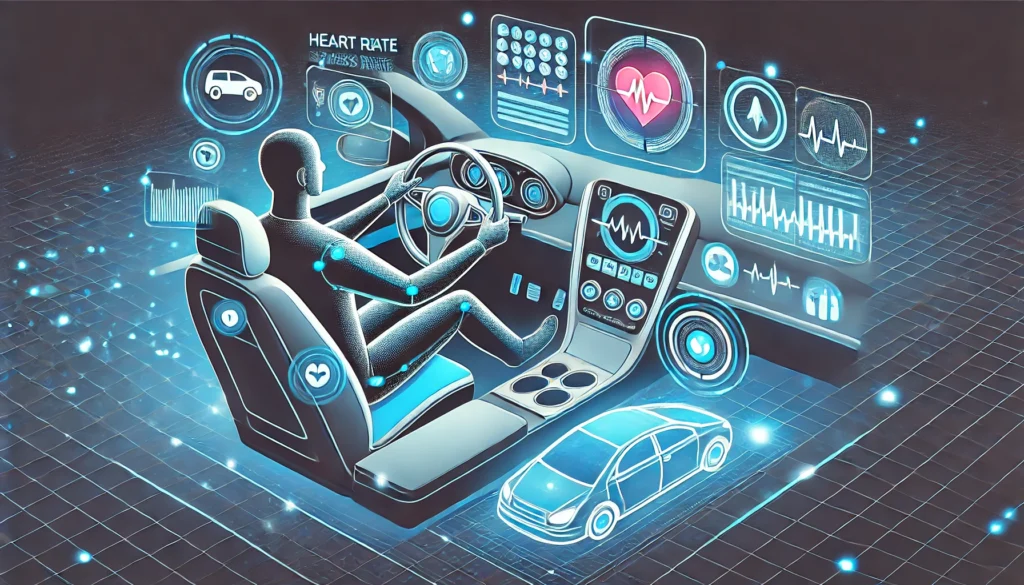
In-car health monitoring systems are technologies designed to track the driver’s physical condition in real time. Using sensors, cameras, and even wearable integrations, these systems can monitor key health metrics like heart rate, respiratory patterns, and stress levels. Some advanced systems even detect signs of fatigue or medical distress, such as drowsiness, elevated heart rate, or irregular breathing.
For example, if a driver shows signs of a potential heart attack, the system can alert emergency services or bring the vehicle to a safe stop. These features not only enhance personal safety but also pave the way for smarter, more responsive vehicles.
Why the U.S. Is Embracing Health Monitoring Technology
The U.S. has been quick to adopt in-car health monitoring systems due to a combination of rising health awareness and advancements in technology. With growing concerns about road safety and driver well-being, these systems are becoming more appealing to both consumers and policymakers.
Automakers in the U.S. are partnering with tech companies and healthcare organizations to integrate these systems seamlessly into vehicles. Companies like Tesla, Ford, and General Motors are leading the charge, experimenting with advanced biometric sensors and AI-driven health assessments. The goal is to make cars smarter and more attentive, ensuring a safer driving experience for everyone.
The Role of AI and IoT in Health Monitoring Systems
Artificial Intelligence (AI) and the Internet of Things (IoT) are at the heart of in-car health monitoring technology. AI algorithms analyze the data collected by sensors, providing real-time insights about the driver’s health. These insights are then used to trigger alerts or take preventive measures.
IoT further enhances these systems by connecting them to external healthcare networks. In an emergency, the system can send the driver’s health data directly to medical professionals, enabling faster and more accurate treatment. This integration of AI and IoT is transforming vehicles into life-saving tools, setting new standards for road safety in the U.S.
Comparing the U.S. to Global Adoption
While the U.S. is making strides in in-car health monitoring, other regions are also exploring this technology. In Europe, where vehicle safety regulations are stringent, health monitoring systems are gaining traction as part of the broader push for safer cars. Asian countries like Japan and South Korea are focusing on wellness-oriented features, such as stress detection and comfort optimization.
However, the U.S. stands out for its emphasis on innovation and early adoption. The country’s tech-driven approach has enabled rapid advancements in the field, with automakers actively testing and deploying these systems. The challenge for the U.S. lies in ensuring affordability and accessibility, so these features are not limited to luxury vehicles but available to all drivers.
The Benefits of In-Car Health Monitoring Systems
The benefits of these systems extend beyond individual drivers. By detecting and addressing health issues early, they contribute to overall road safety, reducing accidents caused by medical emergencies or driver fatigue. They also offer peace of mind, knowing that the car is equipped to respond in critical situations.
For aging populations, in-car health monitoring systems provide an added layer of security, making it easier for older drivers to maintain their independence while staying safe. Families, too, can rest assured that these systems will keep loved ones protected on the road.
The Future of Health Monitoring in U.S. Vehicles
As we move through 2025, the growth of in-car health monitoring systems shows no signs of slowing down. Automakers are investing heavily in research and development, aiming to make these features standard in all vehicles. Advances in wearable technology and AI are expected to enhance the accuracy and functionality of these systems, further solidifying their role in modern driving.
The U.S. is at the forefront of this movement, setting an example for how technology can be used to create safer, healthier roads. By integrating health monitoring systems into vehicles, the country is not only redefining road safety but also shaping the future of automotive innovation.
In-car health monitoring is more than a trend; it’s a glimpse into a future where technology and well-being go hand in hand. As these systems become more advanced and widely available, they are set to transform the driving experience, making it safer and smarter for everyone.