The automotive industry is no stranger to innovation, constantly evolving to meet the demands of modern drivers. In 2025, one of the most groundbreaking advancements is the rise of 3D-printed car parts and customized manufacturing. This technology is not only transforming how cars are built but also enhancing performance, reducing costs, and offering unparalleled customization options. In the United States, this revolution is gaining significant momentum, promising a future where every vehicle can be uniquely tailored to its owner’s preferences.
The Rise of 3D Printing in Automotive Manufacturing
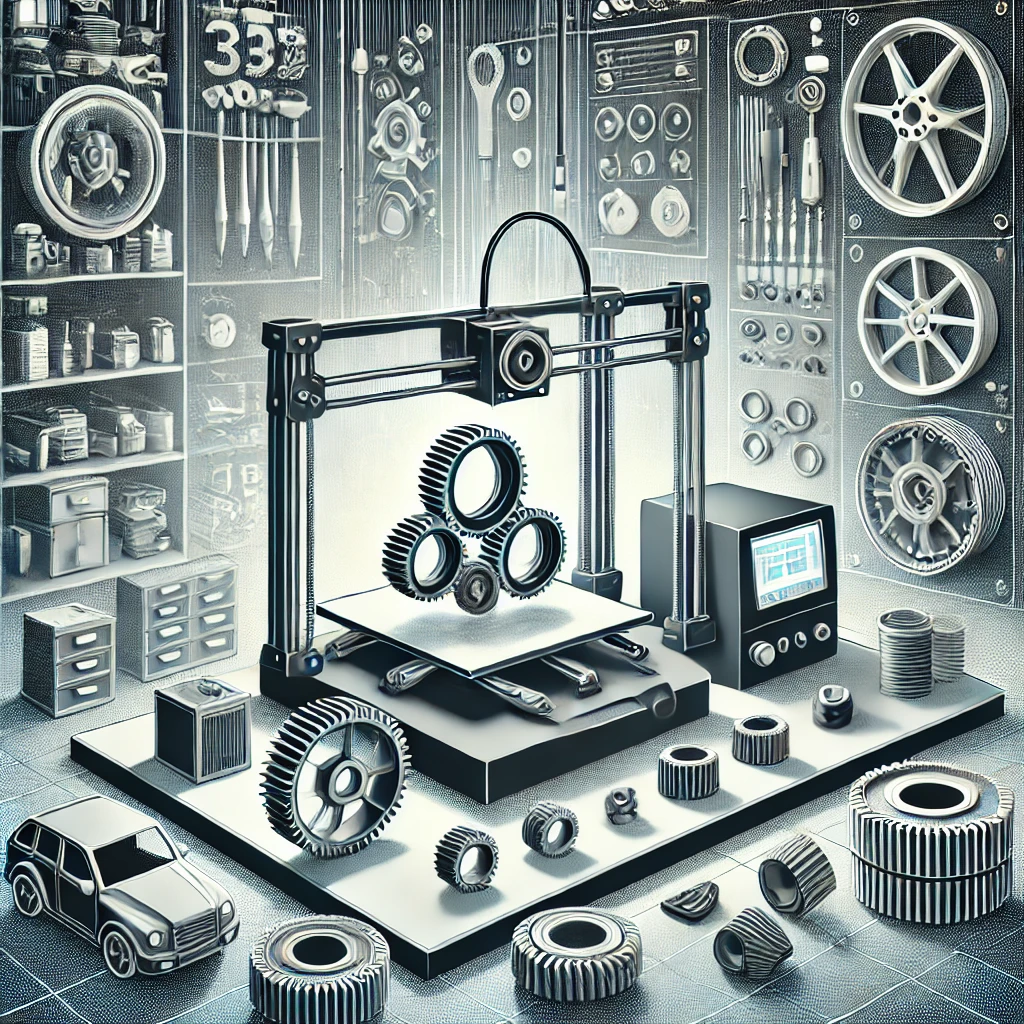
3D printing, also known as additive manufacturing, has rapidly moved from a niche technology to a mainstream tool in the automotive sector. Unlike traditional manufacturing methods that involve subtractive processes like cutting and drilling, 3D printing builds parts layer by layer from digital designs. This approach allows for greater flexibility, faster production times, and the ability to create complex geometries that would be impossible with conventional techniques.
In the U.S., major automakers and innovative startups alike are embracing 3D printing to streamline their production processes. Companies like Ford and General Motors are integrating 3D-printed components into their vehicles, from prototypes to final parts. This shift not only speeds up the development cycle but also enables more efficient use of materials, significantly reducing waste and lowering production costs.
Customized Manufacturing: Tailoring Vehicles to Individual Needs
One of the most exciting aspects of 3D-printed car parts is the potential for customized manufacturing. Traditional automotive production often relies on mass production, which can limit personalization options for consumers. However, 3D printing changes the game by allowing manufacturers to produce bespoke parts tailored to individual specifications without incurring prohibitive costs.
Imagine being able to design your own car parts, whether it’s a unique interior trim, a specialized engine component, or even aesthetic enhancements like custom grilles and spoilers. This level of customization not only enhances the personal connection between the driver and their vehicle but also allows for improved performance and functionality. For instance, custom 3D-printed parts can be optimized for better weight distribution, enhanced aerodynamics, or increased durability, catering to the specific needs of different drivers and driving conditions.
Benefits of 3D Printing for the U.S. Automotive Industry
The adoption of 3D printing in the U.S. automotive industry brings numerous benefits that extend beyond customization. One of the primary advantages is the reduction in production lead times. Traditional manufacturing can be time-consuming, with lengthy setup processes and tooling requirements. 3D printing eliminates much of this delay, enabling faster prototyping and quicker iterations during the design phase.
Additionally, 3D printing supports the creation of lightweight parts, which is crucial for improving fuel efficiency and reducing emissions. By using advanced materials and precise manufacturing techniques, 3D-printed components can achieve the same strength and durability as their traditionally manufactured counterparts but with significantly less weight. This not only contributes to more environmentally friendly vehicles but also enhances overall vehicle performance.
Overcoming Challenges in 3D Printing Adoption
Despite its many advantages, the widespread adoption of 3D printing in the automotive industry does face some challenges. One of the main obstacles is the initial investment required for 3D printing technology and equipment. High-quality 3D printers capable of producing durable automotive parts can be expensive, which may be a barrier for smaller manufacturers and startups.
Another challenge is ensuring the consistency and reliability of 3D-printed parts. While advancements in technology have greatly improved the quality of 3D-printed components, maintaining strict quality control standards is essential to meet the rigorous safety and performance requirements of the automotive industry. Manufacturers must invest in robust testing and validation processes to ensure that every part meets the necessary specifications.
The Future of 3D Printing in the U.S. Automotive Market
Looking ahead, the future of 3D printing in the U.S. automotive market appears bright and full of potential. As technology continues to advance, the cost of 3D printers is expected to decrease, making it more accessible for a wider range of manufacturers. Innovations in materials science will also play a crucial role, enabling the production of even more durable and lightweight parts that meet the highest standards of the automotive industry.
Furthermore, the integration of artificial intelligence and machine learning with 3D printing technology will enhance the precision and efficiency of the manufacturing process. These advancements will allow for smarter, more adaptive production systems that can quickly respond to changing market demands and consumer preferences.
Embracing a Customizable Future
The revolution of 3D-printed car parts and customized manufacturing is not just a technological shift; it represents a fundamental change in how we approach vehicle design and production. In the United States, this trend is fostering a more innovative, sustainable, and consumer-focused automotive industry. By embracing 3D printing, automakers can offer personalized, high-performance vehicles that cater to the unique needs and desires of each driver, paving the way for a future where every car is as individual as its owner.
Conclusion
In 2025, 3D printing is driving a significant transformation in the U.S. automotive industry, offering unprecedented opportunities for customization, efficiency, and sustainability. As automakers continue to integrate this technology into their production processes, the benefits will ripple through the entire industry, from reduced waste and lower costs to enhanced vehicle performance and personalized design. The rise of 3D-printed car parts marks the beginning of a new era in automotive manufacturing, where innovation and customization go hand in hand to create the cars of tomorrow.