The automotive industry is no stranger to innovation, and one of the most exciting developments reshaping the field is the rise of generative AI. This cutting-edge technology is revolutionizing car design and prototyping, empowering automakers in the US and Europe to create more efficient, aesthetically pleasing, and functional vehicles faster than ever before. Generative AI is not just a tool for automation; it’s a partner in creativity, offering endless possibilities for the future of car design.
What Is Generative AI in Automotive Design?
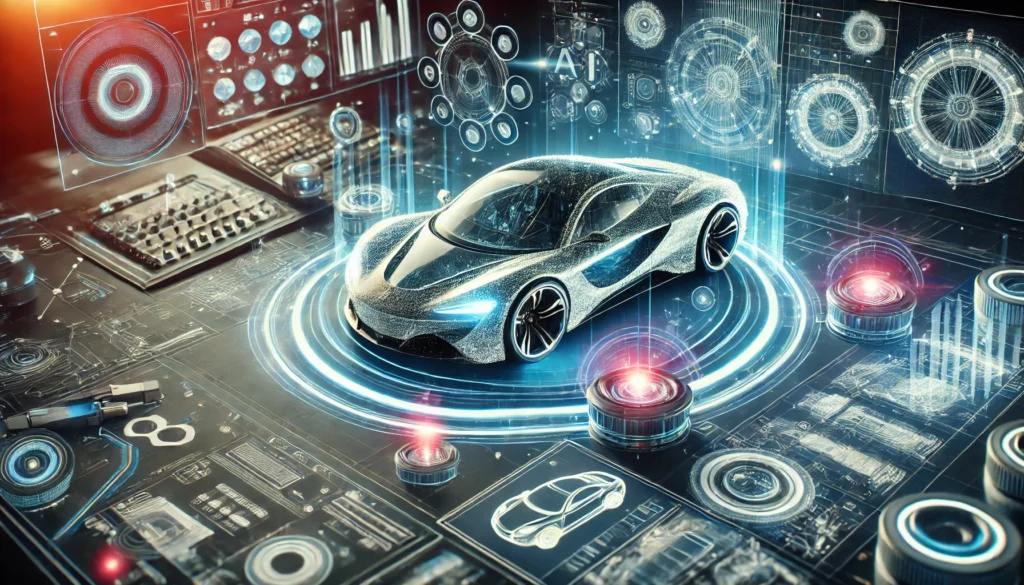
Generative AI refers to artificial intelligence that uses algorithms to generate designs, concepts, or models based on a set of input parameters. In the context of automotive design, it allows engineers and designers to input specific requirements—such as material properties, safety standards, and aesthetic preferences—and receive multiple design iterations tailored to those needs.
This process leverages advanced machine learning models to analyze massive datasets, learn patterns, and generate optimized designs. By automating routine and complex tasks, generative AI frees up designers to focus on creativity and innovation, accelerating the entire design-to-production pipeline.
Accelerating the Design Process
Traditionally, car design has been a time-consuming process that involves countless iterations, testing, and refinements. Generative AI dramatically reduces this timeline by offering instant solutions to design challenges. Designers can input a set of criteria—such as aerodynamics, weight limits, or sustainability goals—and the AI generates a range of concepts that meet these specifications.
For example, if an automaker wants to improve a vehicle’s fuel efficiency, generative AI can analyze how different body shapes affect airflow and suggest optimal designs. This capability not only speeds up the design process but also ensures that each iteration is more refined than the last, saving both time and resources.
Enhancing Prototyping with AI-Driven Insights
Prototyping is another area where generative AI is making a significant impact. Building physical prototypes can be expensive and time-intensive, but AI enables manufacturers to create virtual models that simulate real-world conditions with stunning accuracy. These digital twins allow automakers to test various designs in a virtual environment, identifying potential flaws or inefficiencies long before a physical prototype is built.
For instance, AI can simulate crash tests, thermal management, and structural durability, offering insights that guide the design process. By identifying potential weaknesses early, automakers can ensure higher safety standards and better performance while reducing costs associated with traditional prototyping.
Unlocking New Levels of Creativity
One of the most exciting aspects of generative AI is its ability to inspire creativity. Designers are no longer limited by traditional methods or preconceived notions of what a car should look like. Instead, AI-generated designs can push boundaries and explore unconventional ideas that may not have been considered otherwise.
In the US and Europe, where the demand for unique and personalized vehicles is growing, generative AI enables automakers to cater to diverse customer preferences. From futuristic concept cars to eco-friendly designs optimized for urban mobility, the creative possibilities are virtually limitless.
Supporting Sustainability Goals
Sustainability is a top priority for the automotive industry, especially in Europe, where strict environmental regulations drive innovation. Generative AI supports these goals by optimizing material usage and improving energy efficiency. The AI can analyze the environmental impact of different design choices, helping automakers create vehicles that are both eco-friendly and cost-effective.
For instance, generative AI can recommend lightweight materials or structures that reduce fuel consumption without compromising safety. It can also optimize battery placement in electric vehicles for better performance and longer ranges. By integrating sustainability into the design process, automakers can meet regulatory standards while appealing to environmentally conscious consumers.
Bridging the Gap Between Vision and Reality
Generative AI is not just a tool for designers; it’s also a bridge between vision and reality. The seamless integration of AI-generated designs with advanced manufacturing technologies like 3D printing and robotics enables automakers to bring concepts to life faster and more efficiently. This synergy ensures that what begins as a digital idea can quickly become a tangible product ready for the market.
In Europe, where artisanal craftsmanship meets cutting-edge technology, generative AI complements traditional design philosophies by blending precision with innovation. Similarly, in the US, where speed to market is critical, AI-driven design allows automakers to stay ahead of the competition.
The Road Ahead for Generative AI in Automotive Design
As generative AI continues to evolve, its impact on car design and prototyping will only grow. Future developments in machine learning algorithms, cloud computing, and data analytics will make the technology even more powerful and accessible. Automakers in the US and Europe are already investing heavily in AI research, recognizing its potential to transform the industry.
For consumers, this means more innovative, efficient, and personalized vehicles that align with modern demands. For automakers, generative AI offers a competitive edge, enabling them to lead in a rapidly changing market.
Generative AI is not just a trend—it’s a game-changer for the automotive industry. By embracing this technology, automakers are shaping a future where creativity, efficiency, and sustainability drive the design of the cars we love. As the partnership between human ingenuity and artificial intelligence deepens, the possibilities for innovation are truly endless.