The concept of flying cars has been a beacon of futuristic transportation for decades, and today, we are on the brink of seeing this dream take flight. With rapid advancements in technology, sustainable energy solutions, and innovative designs, flying cars are poised to redefine urban mobility. Beyond the technological marvel, what’s equally exciting is the potential for emerging markets to embrace this transformation. In the US and Europe, flying cars are not just a possibility; they are becoming an essential component of urban planning and mobility strategies.
Why Emerging Markets Matter for Flying Cars
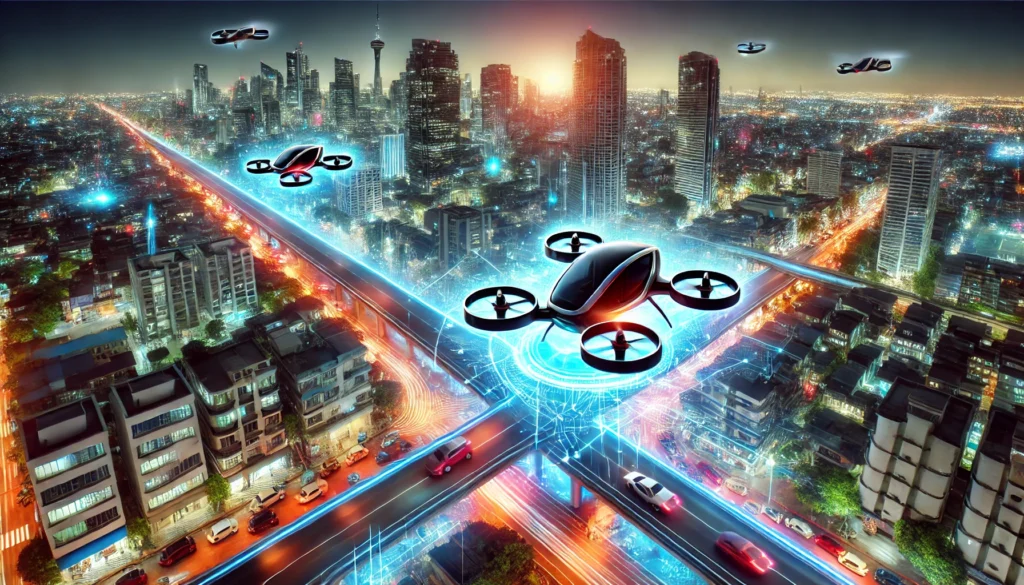
As cities grow more crowded and infrastructure faces increasing strain, the need for innovative transportation solutions becomes more urgent. Urban areas across the US and Europe are grappling with traffic congestion, pollution, and inefficiencies in traditional mobility systems. Flying cars, particularly electric vertical take-off and landing (eVTOL) vehicles, offer a promising solution by taking transportation off the ground and into the skies.
Emerging markets for flying cars are defined by their readiness to adopt new technologies, the demand for better mobility solutions, and strong governmental or private sector interest in sustainable transportation. These markets represent a confluence of opportunity and necessity, where flying cars can address urban challenges while setting new standards for efficiency and sustainability.
Leading Urban Hubs in the US
In the US, cities like Los Angeles, Miami, and Dallas are leading the charge in creating emerging markets for flying cars. These metropolitan areas face significant traffic congestion and are actively investing in solutions to improve mobility. Los Angeles, for instance, is exploring urban air mobility networks that leverage eVTOL vehicles to connect key city hubs. With its sprawling layout and heavy reliance on cars, the city presents a perfect use case for flying cars to provide faster, cleaner, and more efficient transportation.
Miami, on the other hand, is focusing on integrating flying cars into its existing transportation ecosystem. With a combination of waterways, urban centers, and suburban sprawls, flying cars can provide seamless connectivity that bypasses traffic and reduces commute times. Cities like Miami are also leveraging their reputation as tech-friendly hubs, making them attractive to flying car manufacturers looking for early adopters.
Europe’s Smart Cities as Growth Hubs
Europe is home to some of the world’s most forward-thinking cities when it comes to urban planning and sustainability. Cities like Paris, Munich, and Amsterdam are emerging as key markets for flying cars, driven by their commitment to reducing emissions and embracing cutting-edge technology.
Paris is at the forefront of sustainable urban mobility, with plans to integrate flying cars into its transportation network ahead of global events and growing tourism demands. By building vertiports and establishing partnerships with eVTOL manufacturers, Paris is positioning itself as a global leader in urban air mobility.
In Germany, Munich is leveraging its role as a tech and automotive innovation hub to explore flying car solutions. Companies like Lilium and Volocopter are collaborating with city planners to build the necessary infrastructure and create a regulatory framework that supports flying car deployment. Munich’s focus on connecting urban centers with regional hubs also highlights the versatility of flying cars beyond short urban commutes.
Opportunities in Smaller Urban Centers
While major cities naturally attract the spotlight, smaller urban centers are also emerging as exciting markets for flying cars. In the US, cities like Austin and Denver are showing strong interest in integrating urban air mobility into their growth plans. These cities combine rapid population growth with forward-thinking policies, making them ideal testing grounds for flying car networks.
In Europe, mid-sized cities like Eindhoven in the Netherlands and Toulouse in France are exploring flying cars to complement their smart city initiatives. These cities recognize the potential of flying cars to enhance connectivity, reduce traffic congestion, and support economic growth, particularly in industries like tourism and logistics.
Overcoming Barriers to Market Expansion
For flying cars to succeed in these emerging markets, several challenges must be addressed. Infrastructure is a significant hurdle, as cities need vertiports, charging stations, and air traffic management systems to accommodate flying vehicles. Additionally, regulatory frameworks must be developed to ensure safety, manage airspace, and integrate flying cars into existing transportation systems.
Public perception is another critical factor. Cities must educate residents on the benefits of flying cars, addressing concerns about safety, noise pollution, and affordability. Demonstration flights and pilot programs are proving effective in building trust and generating excitement about this new mode of transportation.
A Bright Future for Urban Air Mobility
The emergence of flying cars in urban mobility is not just a technological milestone—it’s a shift in how we envision the future of transportation. Cities across the US and Europe are embracing this transformation, creating opportunities for manufacturers, investors, and policymakers to work together and bring these vehicles to life.
Emerging markets for flying cars will continue to grow as urban challenges become more pressing and the demand for sustainable mobility solutions rises. From major metropolitan areas to smaller urban centers, the skies are opening up for a new era of transportation. By addressing challenges and seizing opportunities, flying cars are set to become a vital part of our cities, redefining how we move and connect in an increasingly urbanized world.