Flying cars have long been a symbol of the future, and today, they are closer than ever to becoming a reality. At the heart of this innovation is hybrid-electric propulsion technology, a key enabler for sustainable and efficient personal aerial vehicles (PAVs). With the combined benefits of electric and traditional power systems, hybrid-electric propulsion is shaping the next chapter of aviation, particularly in the US and Europe, where the push for greener transportation solutions is stronger than ever.
Understanding Hybrid-Electric Propulsion
Hybrid-electric propulsion combines the best of two worlds: the clean, quiet operation of electric motors and the extended range provided by traditional combustion engines. This synergy allows flying cars to overcome the limitations of pure electric propulsion, such as battery range and charging infrastructure, while still maintaining a smaller environmental footprint compared to fully combustion-powered systems.
The flexibility of hybrid-electric systems makes them ideal for flying cars, which require lightweight, efficient, and reliable propulsion to navigate urban environments and short regional commutes. As the skies become the new highways, this technology ensures that personal aerial vehicles remain practical, scalable, and sustainable.
Overcoming the Challenges of Fully Electric Propulsion
One of the main hurdles for pure electric flying cars is the energy density of current battery technology. While batteries are improving, they still fall short of delivering the range and power needed for extended flights without adding significant weight to the aircraft. Hybrid-electric propulsion addresses this by incorporating a small combustion engine or turbine to supplement the electric motor. This not only extends range but also reduces the frequency and urgency of recharging.
In urban settings, flying cars powered by hybrid-electric systems can rely primarily on electric propulsion for take-offs and landings, minimizing noise and emissions where it matters most. During longer flights or in areas without access to charging stations, the combustion engine can take over, ensuring a seamless and reliable experience.
Innovations Driving Hybrid-Electric Flying Cars
Recent advancements in hybrid-electric propulsion are paving the way for the next generation of flying cars. Lightweight materials, improved energy storage systems, and sophisticated power management software are making it possible to build compact, efficient systems that meet the unique demands of aerial vehicles.
One breakthrough innovation is the development of range extenders. These compact combustion engines or turbines are designed to recharge batteries during flight, allowing vehicles to travel farther without compromising their eco-friendly credentials. In Europe, where environmental regulations are stringent, these systems are gaining traction as a practical way to balance sustainability and performance.
Another critical innovation is the integration of advanced energy management systems. These systems intelligently distribute power between the electric motor and the combustion engine, optimizing efficiency and reducing emissions. This ensures that flying cars operate at peak performance under various conditions, whether it’s navigating dense urban airspaces or cruising at high altitudes.
Enhancing Urban Air Mobility
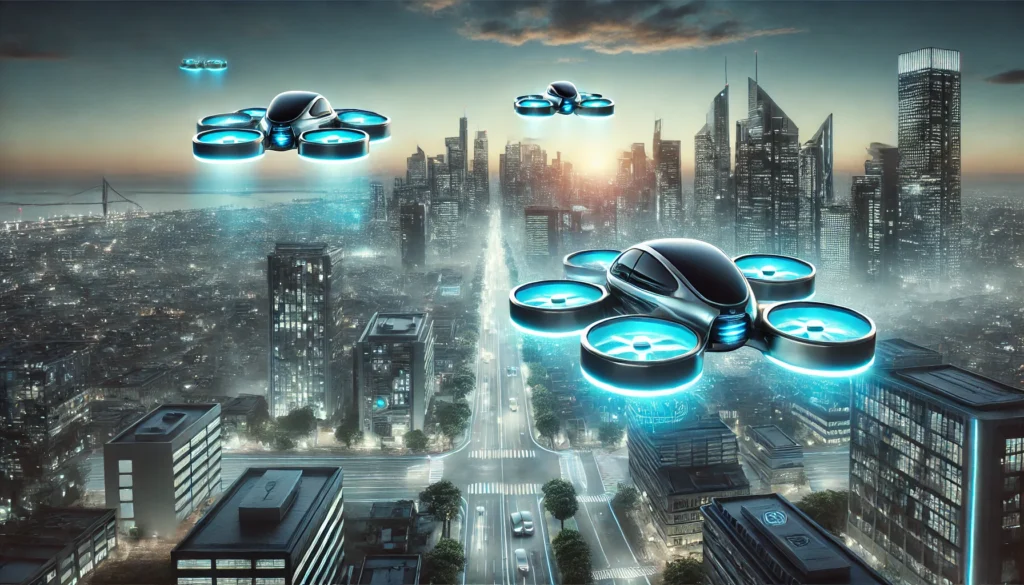
In cities across the US and Europe, the adoption of hybrid-electric propulsion is a game-changer for urban air mobility (UAM). Flying cars powered by hybrid systems can operate efficiently in congested urban areas while maintaining the flexibility needed for longer regional routes. This versatility makes them ideal for connecting cities, airports, and suburban areas, significantly reducing travel times and easing road congestion.
Hybrid-electric systems also enable quieter operations, a crucial factor in gaining public acceptance for urban air mobility. Take-offs, landings, and hovering can be powered by the electric motor, significantly reducing noise pollution compared to traditional aircraft. This is particularly important in densely populated areas where residents value peace and quiet.
Supporting Sustainable Aviation Goals
As the aviation industry strives to reduce its carbon footprint, hybrid-electric propulsion offers a bridge to fully electric solutions. By cutting emissions without sacrificing performance, this technology aligns with the sustainability goals of governments and private companies in the US and Europe. Policymakers are increasingly supporting hybrid-electric projects through incentives and regulations, recognizing their potential to transform transportation while meeting environmental targets.
In Europe, where sustainability is a cornerstone of transportation policy, hybrid-electric propulsion is seen as a key component of achieving carbon-neutral aviation. The US is also making strides, with private companies and public agencies collaborating to integrate hybrid systems into urban air mobility networks.
The Future of Hybrid-Electric Flying Cars
Hybrid-electric propulsion represents a critical step toward making flying cars a reality. As battery technology continues to improve and infrastructure expands, these systems will evolve, offering even greater efficiency and sustainability. For now, they provide a practical and scalable solution that balances the challenges of energy density, range, and environmental impact.
In the coming years, hybrid-electric flying cars will likely become a common sight in cities and skies across the US and Europe. They promise to revolutionize transportation by offering a cleaner, faster, and more efficient way to travel. From urban commutes to regional trips, hybrid-electric propulsion is set to redefine mobility and pave the way for a greener future.
As we stand on the brink of a new era in transportation, one thing is clear: hybrid-electric propulsion is not just a technological innovation—it’s a symbol of progress, blending sustainability with the dream of taking flight. The sky is no longer the limit; it’s just the beginning.