

In the dynamic world of automotive innovation, vehicles are evolving beyond their traditional roles as mere transportation tools. They’re becoming immersive spaces where technology meets human experience, reshaping how we interact during our journeys. One fascinating frontier in this evolution is educational gamification for passenger engagement. By combining the power of entertainment with purposeful learning, automakers are creating opportunities to transform car rides into enriching experiences.
What is Educational Gamification in Cars?
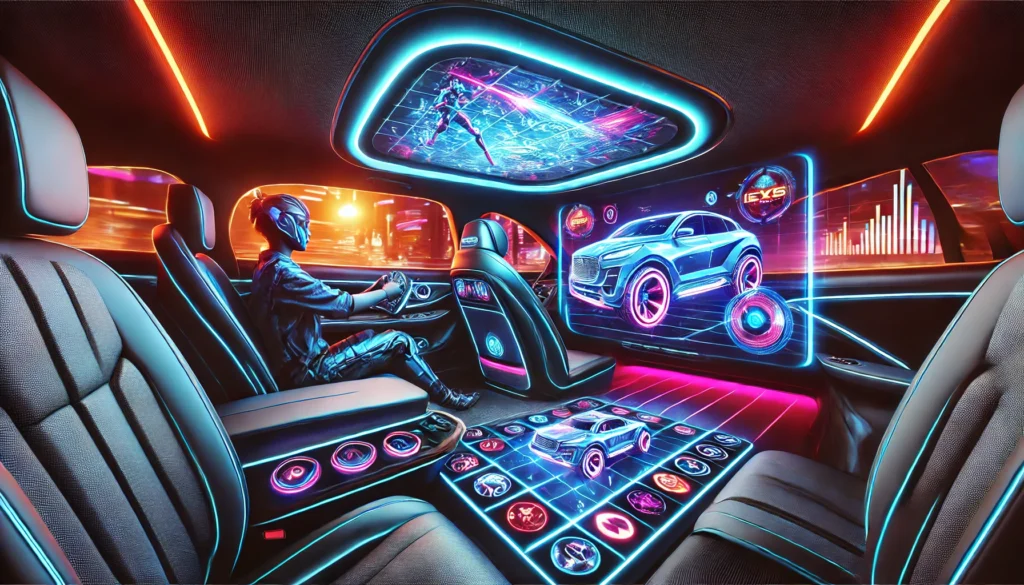
Educational gamification integrates learning objectives into engaging game mechanics to capture attention and drive interaction. In the context of automobiles, it means designing interactive systems within vehicles that allow passengers—especially younger ones—to learn, explore, and stay entertained. Whether through touchscreens embedded in headrests, mobile apps linked to the car’s infotainment system, or even augmented reality (AR) features, educational gamification transforms downtime on the road into a productive and enjoyable experience.
The focus is not just on passing time but on adding value. Imagine children learning math through a trivia game during a long drive, or adults brushing up on language skills through interactive storytelling as they carpool to work. These gamified solutions have the dual advantage of educating and entertaining passengers, ensuring that travel time is both memorable and meaningful.
The Technology Behind the Magic
Advancements in automotive technology make gamification more seamless and accessible than ever. Today’s connected cars are equipped with high-speed internet, integrated screens, and voice assistants. Many manufacturers are also exploring partnerships with educational content creators to offer curated learning experiences directly within the vehicle.
AR and virtual reality (VR) are particularly exciting in this space. Picture this: passengers use AR-enabled headsets or screens to participate in geography lessons based on the landmarks they pass. This not only creates an immersive learning environment but also fosters curiosity about the world outside the car window.
The rise of AI-driven personalization also plays a crucial role. By analyzing user preferences, behavior, and age group, these systems can tailor content to suit individual passengers. This ensures that the gamified experience remains engaging and educational, rather than generic or repetitive.
Why It Matters: Benefits of Gamified Passenger Engagement
Educational gamification in cars isn’t just a clever gimmick; it serves real-world purposes that resonate with today’s tech-savvy consumers. Parents, for instance, often grapple with keeping children occupied during long drives. Interactive educational games offer a constructive alternative to passive screen time, allowing kids to learn in a way that feels natural and fun.
For adults, gamification offers opportunities for personal growth during commutes. Whether it’s solving logic puzzles, engaging in mindfulness exercises, or participating in environmental awareness games, passengers can make the most of their time on the road.
Beyond individual benefits, there’s a larger social impact at play. Gamification can promote safety by reducing distractions. When passengers are engaged in meaningful activities, they are less likely to interfere with the driver. Moreover, by integrating gamified learning about road safety or eco-friendly driving habits, automakers can contribute to fostering a generation of more conscientious road users.
A Step Towards Sustainable and Ethical Innovation
As the world embraces electric vehicles (EVs) and autonomous driving, gamification is also evolving to align with these trends. EV manufacturers, for example, can use gamified apps to educate passengers about sustainable practices or highlight the benefits of green energy. In autonomous vehicles, where passengers have more freedom to engage with digital interfaces, gamification will likely become a core aspect of the in-car experience.
It’s also essential to consider accessibility. To make gamification truly inclusive, systems must cater to passengers of all abilities. Voice-controlled interfaces, multi-language support, and adaptable content can ensure that everyone can benefit from this innovative approach to passenger engagement.
The Road Ahead: Challenges and Opportunities
While the potential of educational gamification is enormous, there are challenges to address. Data privacy remains a critical concern, especially in systems that rely on user data for personalization. Automakers and tech providers must adhere to stringent privacy regulations to build trust with consumers.
Additionally, not all passengers may welcome the idea of gamification. Some may prefer to use travel time to relax or enjoy traditional entertainment like music and movies. The key lies in offering options, allowing passengers to choose whether and how they want to engage.
The opportunities, however, far outweigh these hurdles. As gamification becomes more sophisticated, it has the potential to redefine how we perceive car rides—not as a means to an end, but as a journey filled with possibilities.
Wrapping Up: Driving Toward a Smarter Future
Educational gamification is no longer a concept of the distant future. It is already reshaping the in-car experience, making travel not just more engaging but also more meaningful. Whether through playful learning for kids, skill-building for adults, or promoting sustainability, gamification holds the key to creating value-driven passenger experiences.
As automakers and tech innovators continue to collaborate, the possibilities for gamification are boundless. In an era where connectivity and interactivity are paramount, turning cars into hubs of learning and growth is not just a trend—it’s the road ahead.


