The way we interact with our cars is evolving rapidly, and one of the most noticeable changes is the rise of digital car keys. What once required a physical key or fob now only needs a smartphone or smartwatch. With digital keys becoming more widespread, drivers in the US and Europe are beginning to ask: are physical keys on their way out? Let’s dive into what digital keys are, how they work, and whether they’re truly ready to replace traditional car keys.
The Rise of Digital Keys
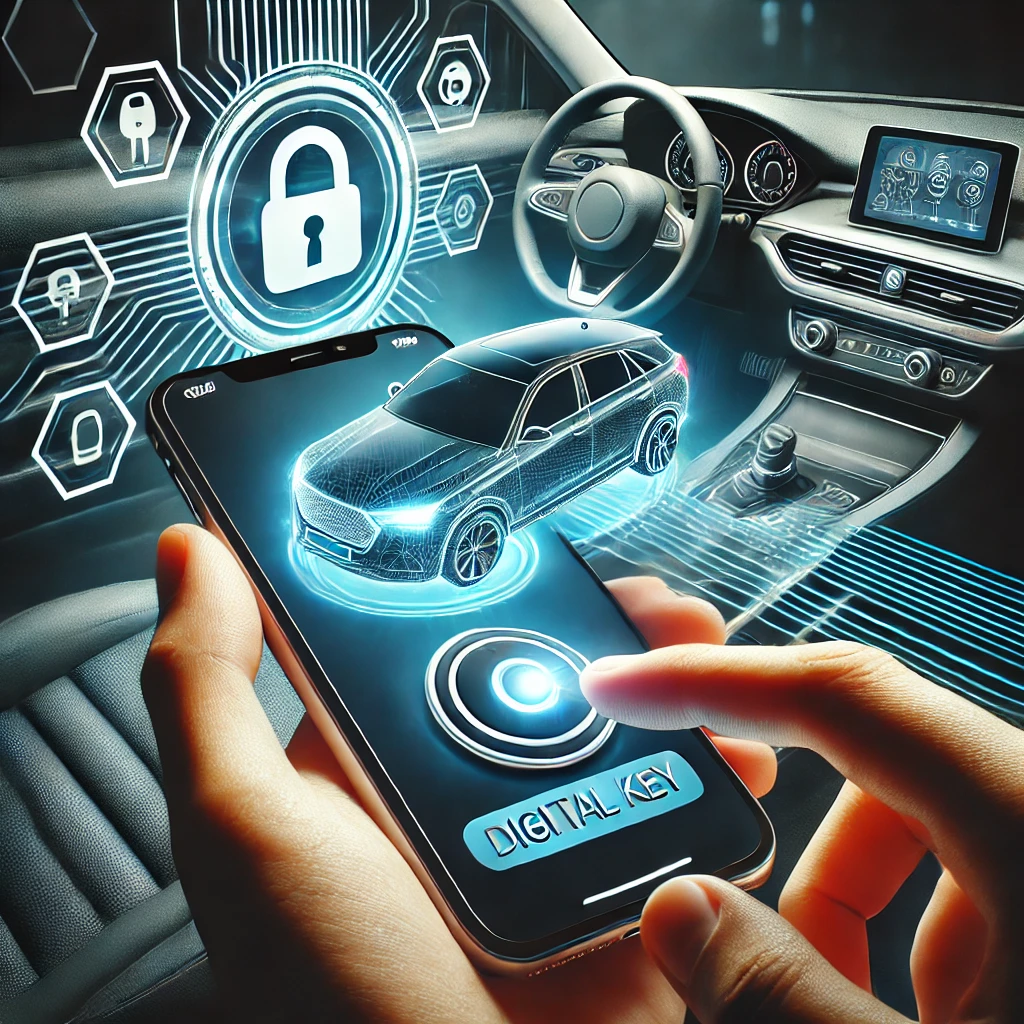
Digital car keys are the next step in automotive technology, designed to offer convenience, security, and integration with our increasingly digital lives. Instead of relying on a physical key, these systems allow you to lock, unlock, and start your car using your smartphone, smartwatch, or other connected devices.
Many automakers, including BMW, Hyundai, and Tesla, have introduced digital key features in their latest models. These keys often use near-field communication (NFC) or Bluetooth technology to establish a secure connection between your device and your car. For instance, placing your smartphone near the car’s door handle or dashboard can authenticate your identity and grant access.
Convenience for the Modern Driver
One of the main advantages of digital keys is convenience. For drivers, carrying one less item is always a plus. With digital keys, you no longer need to worry about losing or forgetting your car keys because your smartphone is likely already in your pocket or bag. Many systems also allow you to share access with others via a mobile app, making it easy to lend your car without needing to hand over a physical key.
Imagine needing to give a family member or a friend access to your car while you’re away. With a digital key, you can grant temporary or restricted access, and once their time is up, the key automatically expires. This feature is particularly useful for car-sharing services or families with multiple drivers.
Enhanced Security Features
Digital keys aren’t just about convenience; they’re also designed with security in mind. Advanced encryption protocols and multi-factor authentication make digital keys more difficult to hack than traditional physical keys, which are susceptible to theft or cloning. Some systems even use biometric data, such as fingerprint or face recognition, for an added layer of protection.
Moreover, digital keys can be disabled remotely if your smartphone is lost or stolen, ensuring that unauthorized individuals cannot access your vehicle. In contrast, losing a physical key often requires expensive reprogramming or replacement. With digital keys, the process of securing your car is much simpler.
Challenges and Limitations
Despite their benefits, digital keys aren’t without their challenges. One major concern is reliance on smartphones. If your phone runs out of battery or malfunctions, gaining access to your vehicle could become a hassle. Some automakers are addressing this issue by integrating backup solutions, such as NFC cards or allowing limited functionality even when your device is powered off.
Compatibility is another factor to consider. Not all smartphones support digital key technology, and certain car models may only work with specific brands or operating systems. For drivers in Europe and the US, where a variety of devices are used, this could limit the adoption of digital keys in the short term.
Additionally, concerns around cybersecurity remain. While digital keys are designed to be secure, the risk of hacking cannot be entirely eliminated. Automakers and tech companies are working to ensure these systems are as safe as possible, but some drivers may still feel uneasy about replacing a tangible key with a digital alternative.
What the Future Holds
The transition from physical keys to digital keys is part of a broader trend toward fully connected vehicles. As smart technology continues to evolve, we’re likely to see further integration between cars and personal devices. For example, digital keys could eventually offer deeper customization options, such as pre-setting seat positions, climate control, and music preferences based on the driver’s profile.
Governments and industry standards in the US and Europe are also playing a role in shaping the future of digital keys. Collaborative efforts, like the Car Connectivity Consortium, are working to establish universal standards that ensure digital keys are compatible across multiple car brands and devices.
A New Era of Automotive Access
While physical keys are unlikely to disappear overnight, digital keys are clearly the future. Their convenience, enhanced security, and integration with modern technology make them an attractive option for drivers looking to streamline their lives. As the automotive industry continues to innovate, digital keys are set to become a standard feature in vehicles across the US and Europe.
For now, it seems physical keys still have a place, particularly as a backup option for those who prefer a tangible connection to their car. However, as digital key technology becomes more accessible and reliable, the days of traditional keys may indeed be numbered. In this new era of automotive access, the shift to digital is not just a possibility—it’s an inevitability.