Driving at night presents unique challenges for even the most experienced drivers. Reduced visibility, glare from headlights, and the difficulty of spotting pedestrians or animals in the dark can make nighttime driving stressful and dangerous. To address these challenges, thermal imaging technology is emerging as a game-changer for night driving safety. By offering a clearer view of the road and its surroundings, thermal imaging is helping drivers in the US and Europe navigate safely through the darkness.
What Is Thermal Imaging?
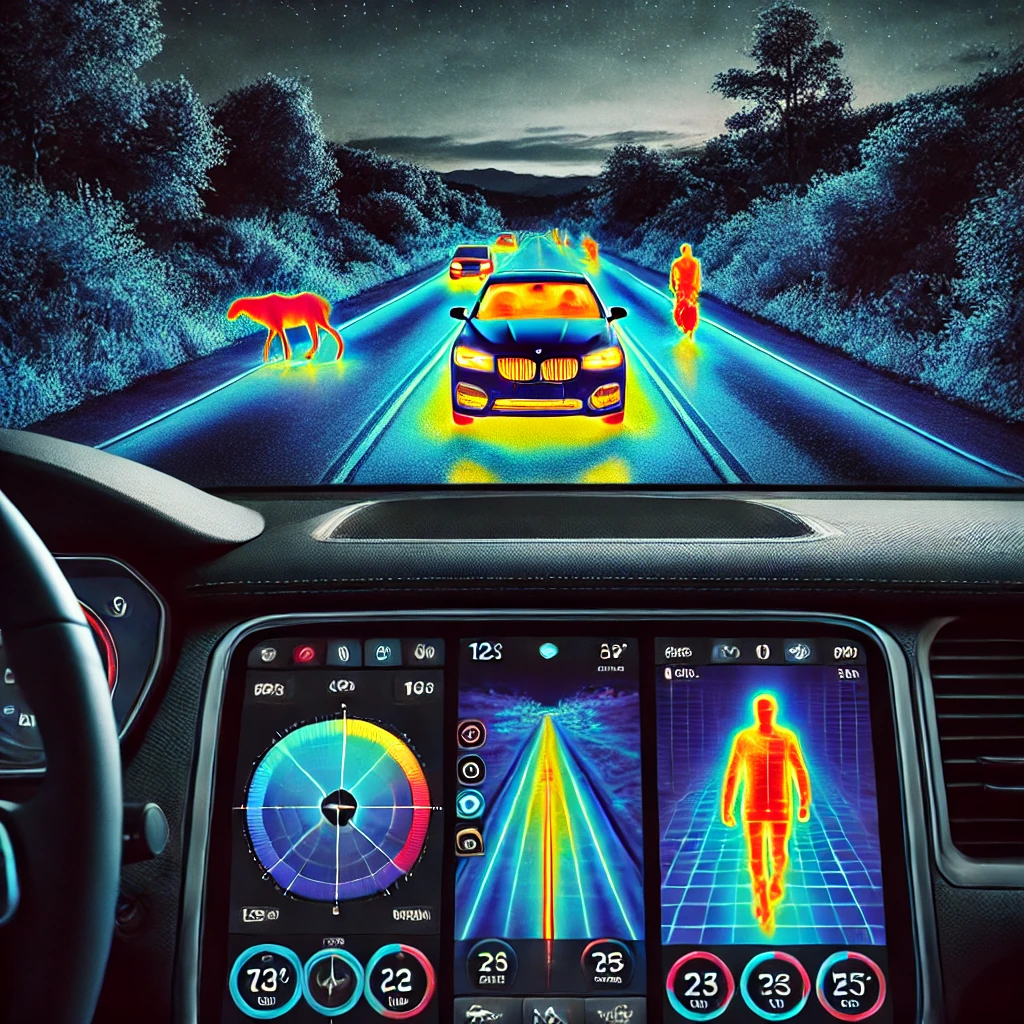
Thermal imaging is a technology that detects infrared radiation, or heat, emitted by objects and living beings. Unlike traditional night vision systems, which amplify visible light, thermal imaging cameras capture heat signatures, allowing them to see in complete darkness, through fog, or in low-light conditions.
When integrated into a vehicle, thermal imaging systems can identify warm objects such as people, animals, or other vehicles and display them on a screen. This enables drivers to spot hazards that might otherwise go unnoticed, significantly enhancing nighttime visibility and safety.
Why Night Driving Needs a Boost
Night driving accounts for a disproportionate number of accidents compared to daytime driving. Poor visibility plays a major role, as drivers struggle to see beyond the reach of their headlights. Pedestrians and animals are particularly vulnerable, as they can be difficult to detect until it’s too late.
In rural areas across the US and Europe, where street lighting is limited, the risk of collisions with wildlife is especially high. In urban environments, pedestrians crossing poorly lit streets add another layer of danger. Thermal imaging addresses these issues by providing drivers with the ability to see beyond the limitations of their headlights and detect potential hazards earlier.
How Thermal Imaging Works in Cars
Thermal imaging systems in cars typically involve a forward-facing infrared camera mounted on the front of the vehicle. This camera captures heat signatures from objects and transmits the data to the vehicle’s infotainment screen or a dedicated display. Advanced systems can even integrate with heads-up displays (HUDs) or driver-assist features, overlaying thermal imaging data onto the windshield for a seamless viewing experience.
Some systems go a step further by using artificial intelligence to analyze the thermal data. For instance, they can distinguish between a human, an animal, or an inanimate object, and prioritize warnings based on the level of risk. If a pedestrian is detected near a crosswalk or an animal is spotted on the road, the system can alert the driver with visual or auditory signals.
Benefits for Night Driving Safety
One of the greatest advantages of thermal imaging is its ability to detect hazards well before they are visible to the naked eye or traditional headlights. This early detection gives drivers more time to react, potentially preventing collisions and saving lives.
Thermal imaging is also effective in challenging weather conditions. Rain, fog, and snow, which can obscure a driver’s view, have little impact on the performance of thermal cameras. This makes the technology particularly useful for drivers in regions of Europe and the US that experience harsh weather.
For drivers with reduced night vision, thermal imaging adds an extra layer of confidence and safety. By providing a clearer view of the road, the technology reduces the stress and fatigue often associated with nighttime driving.
Automakers Leading the Charge
Several automakers in the US and Europe are embracing thermal imaging technology and integrating it into their vehicles. Luxury brands like BMW, Mercedes-Benz, and Audi have been early adopters, offering thermal imaging as part of advanced driver-assistance systems in their high-end models. These systems are increasingly becoming available in mid-range and electric vehicles, bringing the benefits of thermal imaging to a broader audience.
Additionally, thermal imaging is finding applications beyond personal vehicles. Trucking and logistics companies are exploring its use to improve safety during long-haul nighttime operations. Public transportation systems in cities across Europe are also experimenting with thermal imaging to enhance safety for buses and trams.
The Future of Thermal Imaging in Cars
As thermal imaging technology becomes more affordable and widespread, it’s likely to become a standard feature in modern vehicles. Advances in artificial intelligence and machine learning are also expected to enhance the capabilities of thermal imaging systems, making them more accurate and intuitive.
In the future, thermal imaging could work in tandem with autonomous driving technologies, providing vehicles with a greater ability to navigate safely in low-visibility conditions. This synergy could play a critical role in reducing accidents and improving road safety worldwide.
Driving Into a Safer Night
Thermal imaging is revolutionizing the way we think about nighttime driving. By enabling drivers to see hazards that would otherwise remain hidden, this technology is making roads safer for everyone. For drivers in the US and Europe, thermal imaging is more than just a convenience—it’s a life-saving innovation.
As automakers continue to refine and expand the use of thermal imaging, the potential to prevent accidents and improve driver confidence grows. Whether you’re navigating a foggy country road or a dimly lit city street, thermal imaging ensures that safety is always in sight.