As the automotive industry continually evolves, car dealerships are searching for innovative ways to enhance customer experience and boost sales. In 2024, one of the most exciting developments in this quest is the integration of virtual reality (VR) into automotive selling. This blog will explore how VR can transform the way cars are sold in the US, offering a glimpse into immersive car media that delights customers and drives sales.
Understanding Virtual Reality in Automotive Selling
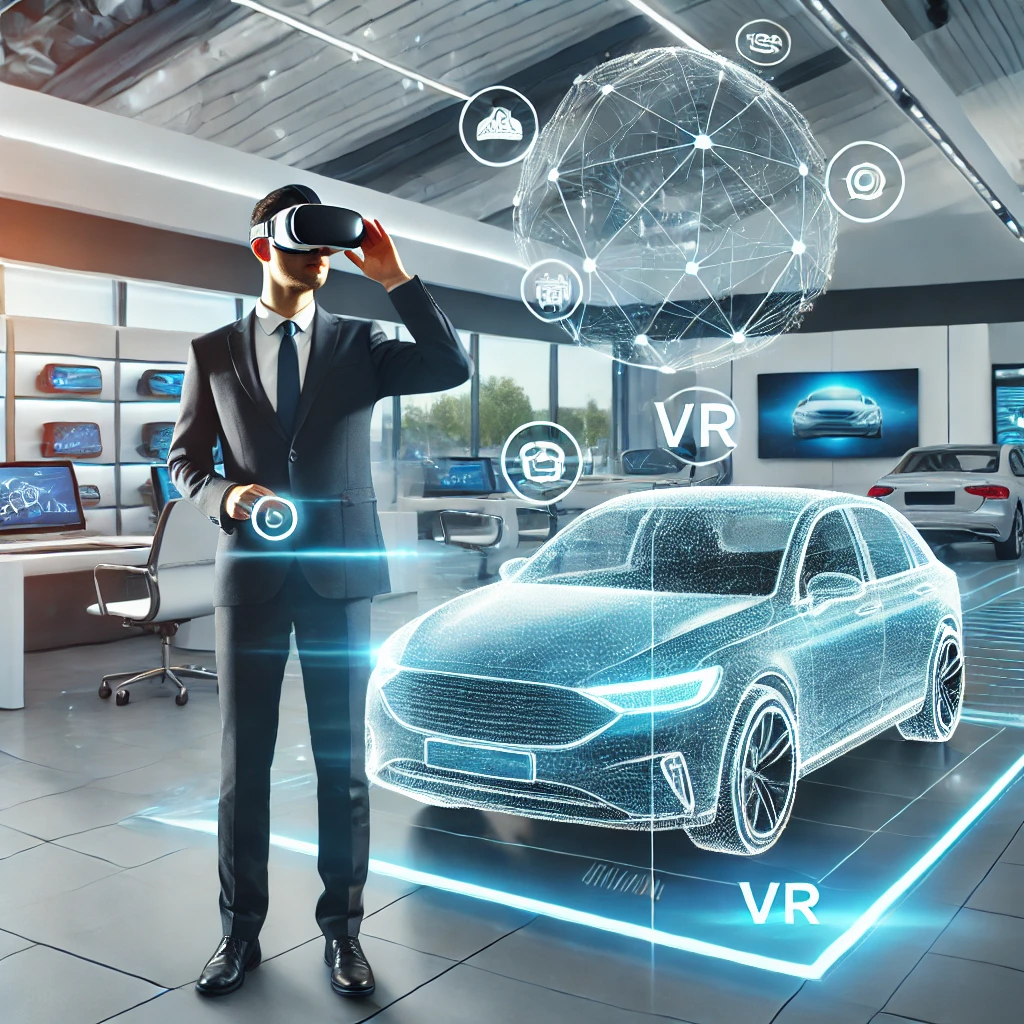
Virtual reality is a technology that creates a simulated environment, allowing users to immerse themselves in an experience as if they were actually there. In the context of automotive sales, VR car experiences enable potential buyers to explore vehicles in a dynamic and interactive way, breaking away from the traditional model of simply looking at cars in a showroom.
Imagine stepping into a virtual dealership where you can view various car models, customize colors and features, and even take a virtual test drive—all from the comfort of your home. This innovative approach not only appeals to tech-savvy consumers but also provides a unique selling proposition that differentiates dealerships in a competitive market.
Creating Immersive Car Media Experiences
One of the main advantages of using virtual reality in automotive selling is its ability to create immersive car media experiences. This technology allows customers to engage with a vehicle in ways that traditional marketing simply cannot offer. For instance, instead of relying solely on brochures or static images, customers can now experience a car’s interior and exterior from different angles and perspectives.
Virtual reality also allows potential buyers to explore various features and functionalities. Want to see how the infotainment system works? Or how spacious the trunk is? With VR, customers can navigate through these aspects as if they were physically present in the vehicle, creating a deeper emotional connection to the car. This level of interactivity can significantly influence purchasing decisions, making customers feel more confident in their choices.
Enhancing the Customer Journey
The customer journey in automotive sales is often lengthy and complicated, involving research, test drives, negotiations, and financing. Integrating VR can simplify this process and make it more enjoyable. By incorporating VR experiences, dealerships can provide customers with a more engaging and informative way to explore their options.
Imagine a prospective buyer who is torn between two different models. Instead of making multiple trips to the dealership for test drives, they can utilize VR to compare the two vehicles side by side, visualizing their features and capabilities. This not only saves time but also adds an element of fun to the car-buying experience, making it less stressful and more memorable.
Increasing Foot Traffic to Dealerships
While VR car experiences can be conducted remotely, they can also drive foot traffic to physical dealerships. By offering VR experiences in-store, dealerships can attract curious customers who want to try out the technology. This not only enhances the customer experience but also provides an opportunity for sales associates to engage with potential buyers in a unique and interactive environment.
As customers experience virtual reality in the dealership, they become more likely to explore the actual vehicles. The novelty of the technology can create a buzz around the dealership, attracting more visitors who are eager to experience this cutting-edge selling method. As a result, dealerships that embrace VR stand to gain a competitive edge in the market.
Overcoming Challenges
While the benefits of integrating virtual reality in automotive selling are clear, it is essential to acknowledge the challenges that may arise. The initial investment in VR technology and the need for training staff can be significant. However, as VR becomes more mainstream, the costs are expected to decrease, making it more accessible for dealerships of all sizes.
Additionally, dealerships must ensure that the virtual experiences they offer are high-quality and user-friendly. A poorly executed VR experience can deter customers rather than attract them. Investing in the right technology and providing adequate training for employees will be crucial for success.
Conclusion
In 2024, virtual reality is poised to revolutionize the automotive selling process in the US. By creating immersive car media experiences, enhancing the customer journey, and increasing foot traffic to dealerships, VR has the potential to reshape how consumers interact with vehicles. While there are challenges to overcome, the advantages of incorporating VR car experiences far outweigh the drawbacks. As the automotive industry embraces this innovative technology, dealerships that adapt will undoubtedly lead the way in transforming the car-buying experience for a new generation of consumers.
The future is bright for virtual reality in automotive selling, and those who harness its potential will drive the industry forward.