China has emerged as a global leader in electric vehicles (EVs), dominating both production and adoption rates. With a vast domestic market, a robust manufacturing ecosystem, and strong government policies supporting the EV industry, China has established itself as a powerhouse in electric mobility. For the US, Europe, and the rest of the world, China’s rapid ascent in the EV sector raises important questions and opportunities about the future of transportation and energy. Let’s explore how China’s EV dominance impacts the global landscape and what it means for the automotive industry.
A Growing Force in Electric Mobility
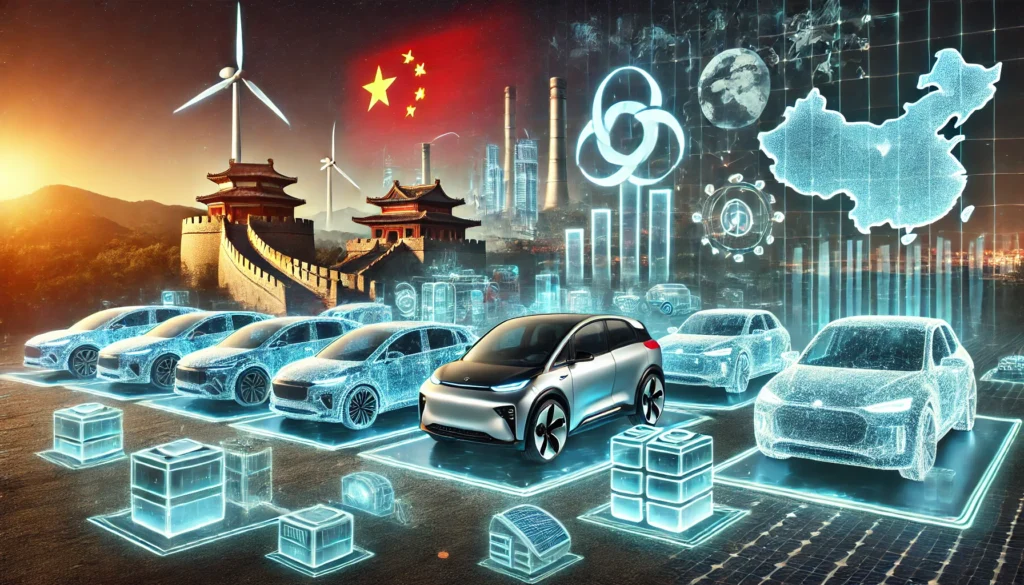
China’s EV dominance is built on a foundation of innovation, scale, and ambition. The country produces more electric vehicles than any other nation, with many of its automakers now competing on the global stage. Companies like BYD, NIO, and XPeng have gained international recognition, offering EVs that combine cutting-edge technology, competitive pricing, and sleek design. Meanwhile, Tesla’s Gigafactory in Shanghai has turned China into one of its most important markets.
The sheer scale of China’s EV market is unmatched, with millions of units sold annually and an ever-growing network of charging infrastructure. This dominance isn’t just about quantity—it’s also about technological leadership. China is a global leader in battery manufacturing, a critical component of EVs. With companies like CATL and BYD spearheading advancements in battery technology, China has a significant edge in shaping the future of electric mobility.
Implications for the US and Europe
For the US and Europe, China’s EV dominance presents both challenges and opportunities. On one hand, it underscores the urgency for Western automakers to accelerate their transition to electric vehicles. Companies like Ford, General Motors, Volkswagen, and Mercedes-Benz are investing billions into electrification, but they face stiff competition from Chinese manufacturers that offer high-quality EVs at competitive prices.
China’s leadership in battery production also creates a dependency on Chinese-made batteries for many Western automakers. This has prompted the US and Europe to focus on developing local supply chains for battery materials and manufacturing. Efforts to mine lithium and refine battery components domestically are increasing, but catching up to China’s scale and expertise remains a significant hurdle.
At the same time, China’s advancements offer opportunities for collaboration and innovation. Many Chinese EV companies are eager to expand into Western markets, bringing new ideas and technologies that could benefit the global EV ecosystem. The competition is pushing automakers worldwide to improve efficiency, reduce costs, and deliver better vehicles to consumers.
Lessons from China’s EV Revolution
One of the reasons behind China’s EV dominance is its strong government support. Policies such as subsidies for EV buyers, stringent emissions regulations, and incentives for automakers to produce electric cars have played a pivotal role in accelerating adoption. The US and Europe can learn from this approach by creating comprehensive strategies that incentivize both consumers and manufacturers to embrace electric mobility.
China has also invested heavily in public charging infrastructure, ensuring that EV owners have access to convenient and reliable charging options. This has helped alleviate range anxiety and made electric vehicles a practical choice for everyday use. Expanding charging networks in the US and Europe will be critical to achieving similar levels of EV adoption.
Another key factor is China’s focus on affordability. By producing a wide range of EVs, from premium models to budget-friendly options, Chinese automakers have made electric vehicles accessible to a broad audience. Western automakers could benefit from diversifying their offerings to cater to different market segments, ensuring that EVs are not just a luxury but a mainstream choice.
The Road Ahead
China’s dominance in the EV sector is a testament to its ability to innovate, scale, and execute ambitious plans. As the world transitions toward electric mobility, China’s leadership will continue to shape the industry, influencing everything from battery technology to vehicle design. For the US and Europe, staying competitive will require bold investments, strategic partnerships, and a commitment to advancing the EV ecosystem.
At the same time, China’s success serves as a powerful reminder that the global shift to electric vehicles is well underway. As competition heats up, consumers worldwide stand to benefit from better technology, lower prices, and greater choice. Whether it’s a sleek European sedan, an American pickup truck, or a budget-friendly Chinese hatchback, the future of transportation is undeniably electric.
A Global Opportunity
China’s EV dominance is not just about competition; it’s about collaboration and shared progress. The challenges posed by climate change and the need for sustainable energy solutions require a collective effort from all nations. By learning from each other and driving innovation forward, the US, Europe, and China can lead the world into a new era of mobility—one that’s cleaner, smarter, and more sustainable.
The global EV race is not a zero-sum game. It’s an opportunity to create a future where electric vehicles are the norm, and everyone benefits from the shift toward sustainability. As China continues to lead the way, the rest of the world is gearing up to follow—and perhaps, even surpass—the trail it has blazed.