The world of automobiles is evolving, and one of the most exciting trends shaping the industry is on-demand car features. These features allow drivers to unlock new functionalities in their vehicles whenever they want, transforming the way we think about car ownership. Particularly in markets like the US and Europe, where customization and flexibility are highly valued, on-demand car features are becoming a game-changer.
What Are On-Demand Car Features?
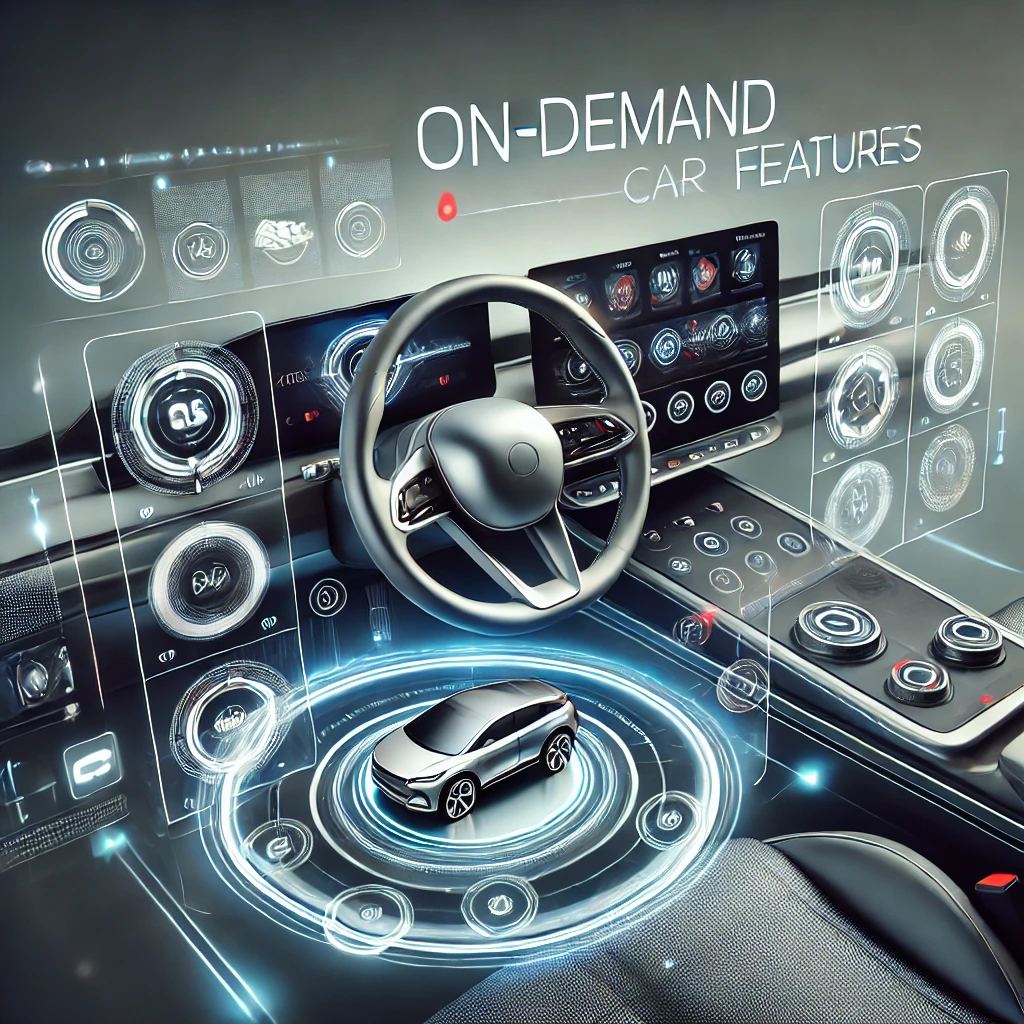
On-demand car features refer to optional functionalities in a vehicle that can be activated through software updates or subscriptions. Instead of purchasing a car with all the features built-in, drivers can pay to unlock specific capabilities as needed. Whether it’s enhanced navigation, heated seats, or advanced driver-assistance systems, these features can often be added with just a few taps on a smartphone or infotainment screen.
This concept is part of the broader trend of software-defined vehicles, where cars are equipped with hardware capable of supporting a variety of features. By using over-the-air (OTA) updates, automakers can enable or disable features remotely, offering drivers a tailored experience.
Why On-Demand Features Are Gaining Popularity
One of the main reasons on-demand car features are gaining traction in the US and Europe is the demand for flexibility. Modern drivers want vehicles that adapt to their lifestyles, and on-demand features offer just that. Instead of committing to an expensive package of extras upfront, drivers can choose only the features they need, when they need them.
For instance, a driver in a warmer climate may not initially require heated seats. However, if they move to a colder region or experience an unexpected winter, they can activate the feature for a specific period. This pay-as-you-go model ensures that drivers only pay for what they use, making it a cost-effective and personalized approach to vehicle ownership.
The Role of Technology in On-Demand Features
Technology plays a central role in enabling on-demand car features. Modern vehicles are increasingly equipped with advanced hardware, such as sensors, processors, and connectivity modules, capable of supporting a wide range of functionalities. Automakers use OTA software updates to deliver new features or upgrades, eliminating the need for a trip to the dealership.
For example, many electric vehicles (EVs) now offer range-boosting updates that optimize battery performance. These updates can be purchased or activated temporarily, giving drivers added range for a road trip or a busy week. Similarly, some automakers are introducing subscription-based services for enhanced navigation systems, voice assistants, or even entertainment options like streaming apps.
Benefits for Drivers
On-demand car features offer several benefits, starting with affordability. By allowing drivers to activate features as needed, automakers make premium options more accessible to a wider audience. This approach also reduces the upfront cost of purchasing a vehicle, as buyers can start with a more basic configuration and add features later.
Another advantage is customization. Drivers in the US and Europe have diverse needs based on their lifestyles, climates, and driving habits. On-demand features provide the freedom to personalize a car to match those needs, ensuring a better driving experience.
Convenience is another significant benefit. OTA updates mean that drivers can unlock features without visiting a dealership. Whether it’s adding extra driver-assistance systems for a long trip or enabling remote start during a cold snap, these updates happen quickly and seamlessly.
Challenges and Concerns
Despite the benefits, on-demand car features have sparked some debate. One concern is the potential for long-term costs to add up. Subscription fees for features like advanced cruise control or enhanced safety systems could become a significant expense over time.
Another challenge is transparency. Drivers want to understand which features are included in the base price of their vehicle and which require additional payment. Clear communication from automakers is essential to ensure that customers feel they’re getting value for their money.
Privacy and security are also important considerations. Since on-demand features rely on connectivity, there’s a need for robust cybersecurity measures to protect user data and prevent unauthorized access to a vehicle’s systems.
The Future of On-Demand Features
On-demand car features are here to stay, and their potential is only beginning to unfold. Automakers in the US and Europe are exploring innovative ways to expand these offerings, from augmented reality displays to autonomous driving upgrades. The integration of artificial intelligence and machine learning could further personalize features, creating vehicles that adapt intuitively to each driver’s preferences.
As consumer expectations evolve, the automotive industry is shifting toward a service-oriented model. Cars are no longer just modes of transportation—they’re becoming platforms for personalized experiences. On-demand features are a perfect example of this shift, providing flexibility, affordability, and convenience to drivers.
The ability to customize a vehicle on the go is transforming the way we think about car ownership. In the near future, drivers may view their cars as dynamic tools that grow and adapt alongside them. With on-demand car features, the road ahead is more exciting than ever.