The automotive landscape is undergoing a quiet revolution, one that is not always visible at a glance. Instead of focusing solely on horsepower, sleek lines, or leather interiors, carmakers are increasingly turning their attention to the software under the hood. Software-defined vehicles are changing the way we think about driving, from how we interact with cars to how manufacturers update and refine these vehicles after they have hit the road.
Transforming the Driving Experience
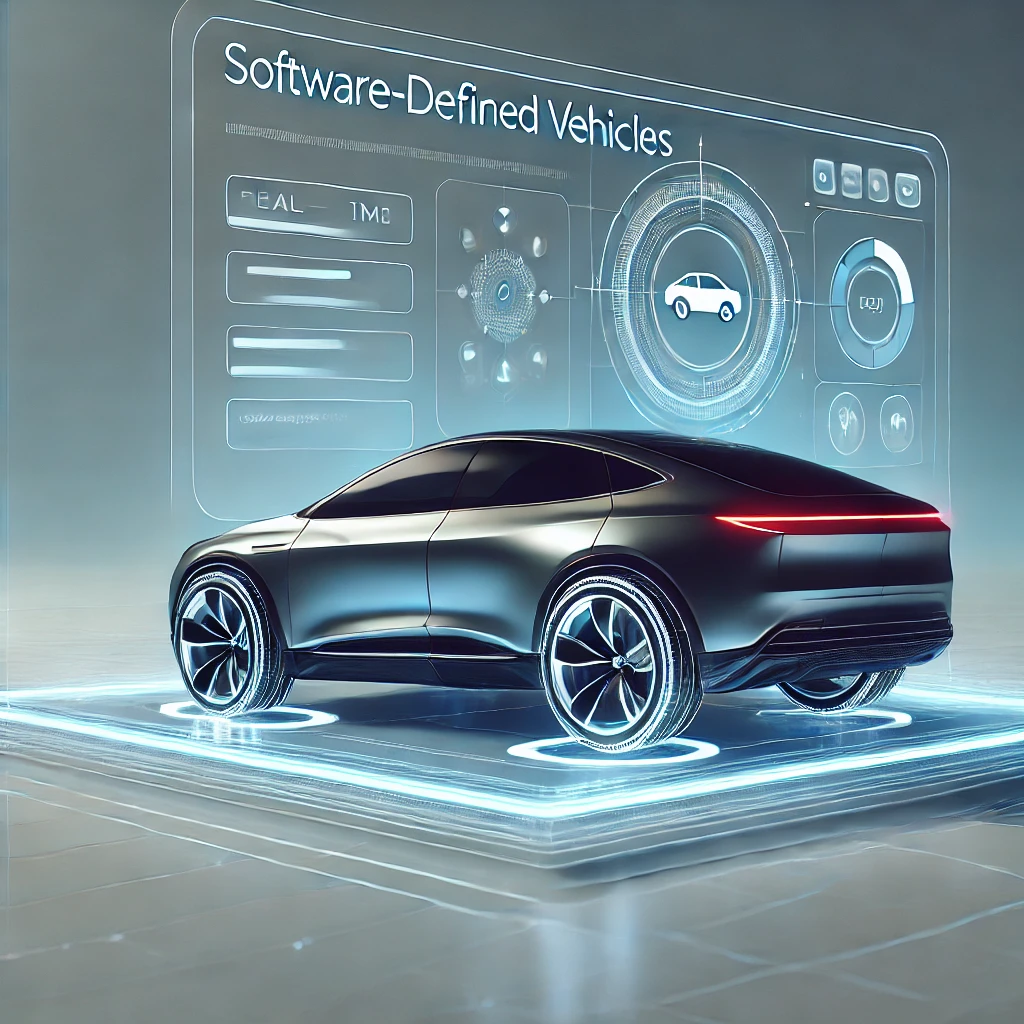
Software-defined vehicles represent a shift in priorities. In the past, the driving experience was defined by mechanical components, with any major enhancements limited to what was installed at the factory. Today, advanced software platforms work behind the scenes to manage almost every aspect of the car’s operation. From safety features that adapt in real time to changing road conditions to infotainment systems that become more intuitive with each update, these vehicles are no longer static machines. They are dynamic, evolving platforms that can be upgraded remotely to meet new expectations, regulations, and standards.
Personalization and Connectivity
Modern drivers want their vehicles to feel as familiar as their favorite smartphones, and software-defined cars are meeting that demand. With sophisticated connectivity solutions, vehicles can now learn drivers’ preferences, adjust cabin settings automatically, and offer personalized recommendations for routes, charging stations, and entertainment options. This level of personalization is making the driving experience in the US and Europe feel more like a tailor-made service than a one-size-fits-all product.
In addition, connectivity opens the door to integration with smart home devices, online services, and the broader Internet of Things. Vehicles can connect with traffic management systems, navigation apps, and weather forecasts to deliver a seamless, informed journey. The best part is that these improvements can be delivered through over-the-air updates, ensuring that drivers always have access to the latest innovations without the need to visit a dealership.
Leveraging Data for Smarter Decisions
As software-defined vehicles generate more data, automakers gain valuable insights into performance, usage patterns, and driver behavior. When analyzed responsibly and ethically, this data can improve everything from vehicle reliability and safety to energy efficiency and sustainability. Real-time analytics can alert manufacturers to potential issues before they become critical problems, reducing recall costs and improving customer satisfaction.
In regions like Europe, where data protection laws are stringent, carmakers must navigate a complex environment to ensure that personal information remains secure. In the US, a growing emphasis on cybersecurity standards is guiding the industry toward more transparent and privacy-focused data handling practices. Balancing innovation with accountability will be key to maintaining consumer trust in a data-driven automotive world.
Rethinking Maintenance and Repairs
Perhaps one of the most visible benefits of software-defined vehicles is how they can simplify the ownership experience. Over-the-air updates mean that cars can receive bug fixes, feature enhancements, and security patches without requiring a service appointment. This approach saves drivers time and gives automakers a direct line to their customers, allowing for a closer relationship that extends well beyond the moment of purchase.
As a result, maintenance schedules may become more predictive, with vehicles advising when key components need servicing. This proactive strategy can keep cars running smoothly and safely for longer periods, protecting the investment made by drivers and fleet operators alike.
Embracing New Business Models
For automakers, software-defined vehicles are not only changing how cars are built but also how profits are generated. Instead of relying solely on the sale of hardware, manufacturers can now explore subscription models for premium features, unlockable performance upgrades, and advanced driver-assistance capabilities. Some drivers may prefer to pay a monthly fee for access to the latest software services, while others might opt for one-time purchases. This flexibility creates new revenue streams and allows consumers to choose features that match their unique lifestyles.
In both the US and European markets, these models offer win-win scenarios. Automakers can enjoy ongoing relationships with customers, while drivers can enjoy cars that improve and adapt over time. It represents a more sustainable model that keeps vehicles relevant and valuable throughout their entire lifespans.
Looking Ahead to the Future
As we look to the road ahead, software-defined vehicles represent more than just a technical shift. They herald a cultural change in how we relate to our cars. Instead of being static machines, these vehicles are evolving platforms that can grow and adapt in sync with the times. Whether it is autonomous driving features, enhanced safety systems, or personalized infotainment experiences, the possibilities are as open and dynamic as the software shaping them.
For drivers across the US and Europe, this means vehicles that deliver a smarter, safer, and more connected journey. For automakers, it means opportunities for innovation, customer loyalty, and sustainable growth. And for all of us, it suggests that the next chapter of automotive history will be defined by creativity, collaboration, and continuous improvement—all powered by the software under the hood.