As India accelerates its journey towards sustainable transportation, the spotlight is increasingly turning to electric vehicles (EVs) and the groundbreaking technologies that will drive their future. Among these innovations, solid-state batteries are emerging as a game-changer, promising to revolutionize the EV landscape in India. In 2024, the potential of solid-state batteries for EVs in India is more promising than ever, offering enhanced performance, safety, and sustainability.
Understanding Solid-State Batteries
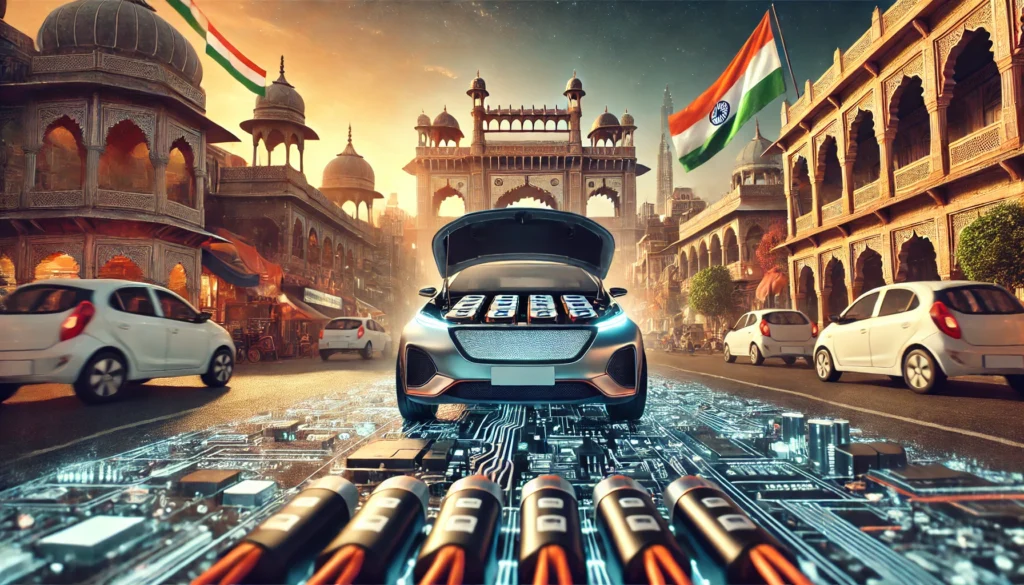
Solid-state batteries differ fundamentally from traditional lithium-ion batteries. While conventional batteries use liquid or gel electrolytes, solid-state batteries employ solid electrolytes, which can be made from a variety of materials including ceramics and glass. This key difference brings several advantages, making solid-state batteries a highly anticipated advancement for electric vehicles.
Solid-state batteries offer higher energy density, which means they can store more energy in the same amount of space. This translates to longer driving ranges for EVs, addressing one of the most significant concerns for consumers—range anxiety. Additionally, solid-state batteries are inherently safer as they are less prone to leaks and fires, a common issue with liquid electrolytes. Their robust design also enhances the longevity of batteries, reducing the need for frequent replacements and lowering the overall cost of ownership for EV users.
The Indian EV Market: A Growing Landscape
India’s EV market is witnessing exponential growth, driven by increasing environmental awareness, government incentives, and advancements in technology. With cities grappling with pollution and the government pushing for cleaner alternatives, electric vehicles have become a focal point in the country’s transportation strategy. Companies like Tata Motors, Mahindra, and Ola Electric are leading the charge, introducing a variety of EV models that cater to different segments of the market.
The government of India has been instrumental in this transformation, implementing policies such as the Faster Adoption and Manufacturing of (Hybrid &) Electric Vehicles (FAME) scheme, which provides subsidies and incentives for EV manufacturers and consumers alike. These initiatives are creating a conducive environment for the adoption of EVs, setting the stage for advanced technologies like solid-state batteries to thrive.
Why Solid-State Batteries are a Perfect Fit for India
India’s diverse and challenging driving conditions demand battery solutions that are both reliable and efficient. Solid-state batteries, with their superior energy density and safety features, are well-suited to meet these demands. The ability to charge faster and offer longer ranges makes them ideal for India’s vast and varied geography, from bustling city streets to long highway drives.
Moreover, the sustainability aspect of solid-state batteries aligns with India’s broader environmental goals. By reducing reliance on fossil fuels and minimizing the carbon footprint of transportation, solid-state batteries contribute to a greener and more sustainable future. Their longer lifespan also means less waste and a lower environmental impact, supporting India’s commitment to sustainable development.
Government and Industry Collaboration
The future of solid-state batteries in India is being shaped by strong collaboration between the government and the private sector. Initiatives to establish battery manufacturing hubs are underway, aiming to reduce dependence on imports and boost domestic production. Companies are investing in research and development to innovate and optimize solid-state battery technology, ensuring it meets the specific needs of the Indian market.
Educational institutions and research centers are also playing a crucial role, conducting studies and trials to improve battery performance and safety. This collaborative effort is essential for overcoming the technical and economic challenges associated with solid-state batteries, paving the way for their widespread adoption in EVs.
Overcoming Challenges
Despite their potential, solid-state batteries face several challenges in the Indian context. The high cost of production and the need for advanced manufacturing infrastructure are significant barriers. Additionally, scaling up production to meet the growing demand for EVs requires substantial investment and technological expertise.
However, ongoing advancements in material science and manufacturing processes are gradually addressing these issues. As production techniques become more efficient and economies of scale are achieved, the cost of solid-state batteries is expected to decrease, making them more accessible to a broader range of consumers.
Looking Ahead: A Bright Future
The future of solid-state batteries in India looks bright, with immense potential to transform the EV industry. As technology continues to advance and costs come down, solid-state batteries are poised to become the standard for electric vehicles, offering superior performance and sustainability. This shift will not only enhance the driving experience for consumers but also contribute significantly to India’s environmental goals.
In the coming years, we can expect to see more EV models equipped with solid-state batteries, supported by a robust infrastructure that includes advanced charging stations and recycling facilities. This comprehensive approach will ensure that India remains at the forefront of the global shift towards electric mobility, driving progress and innovation in the automotive sector.
Conclusion
Solid-state batteries represent a pivotal advancement in the quest for sustainable transportation in India. Their superior energy density, safety, and longevity make them an ideal choice for the burgeoning EV market. As India continues to embrace electric vehicles, the integration of solid-state battery technology will play a crucial role in shaping a greener and more efficient future. By investing in research, fostering industry collaboration, and supporting innovative manufacturing practices, India is well on its way to realizing the full potential of solid-state batteries for electric vehicles.