The rise of electric vehicles (EVs) has been one of the most exciting trends in the automotive industry over the past decade. With governments and individuals alike pushing for cleaner, greener transportation solutions, EVs have become a key player in the fight against climate change. However, one significant hurdle remains: providing reliable and sustainable charging infrastructure, particularly in small towns and rural areas where access to the electric grid can be limited. Enter renewable energy-powered microgrids—a promising solution that could change the way small towns in the U.S. charge their electric vehicles.
What Are Renewable Microgrids?
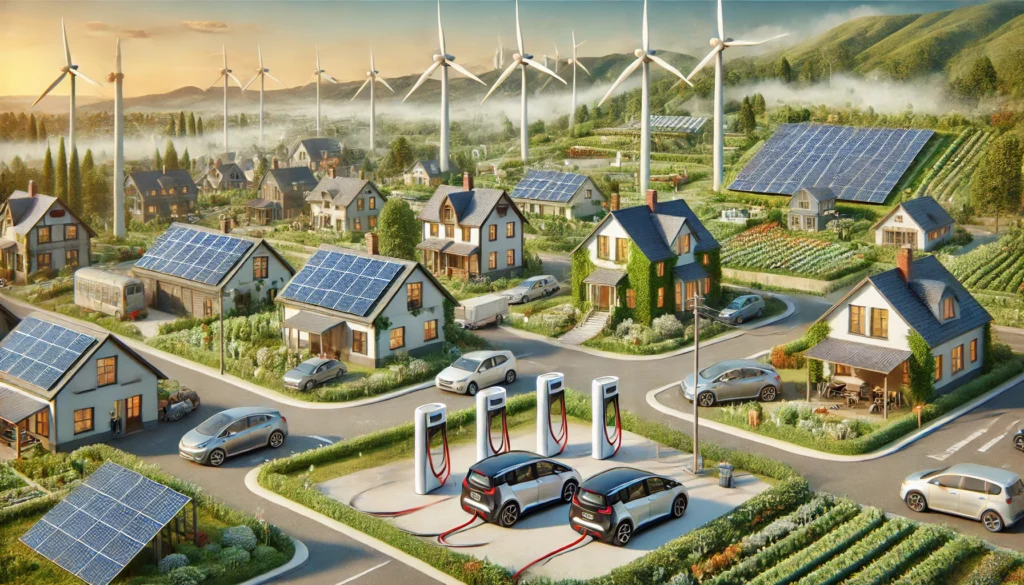
A microgrid is a small, localized energy system that can generate, store, and distribute electricity independently or in coordination with the main power grid. These systems are designed to integrate renewable energy sources such as solar panels, wind turbines, or small-scale hydroelectric plants, making them an eco-friendly alternative to traditional energy grids. Microgrids can be particularly useful in areas where the traditional grid is unreliable or underdeveloped, as they allow for greater energy independence and resilience.
In the context of electric vehicle charging, renewable microgrids can provide power to EV charging stations, ensuring that even the most remote towns and rural areas have access to sustainable energy. Whether it’s a small town on the outskirts of a city or a remote rural community, microgrids offer a practical solution to charging challenges that might otherwise limit EV adoption.
Why Microgrids Are Crucial for Small Towns
While large cities have seen a boom in electric vehicle infrastructure, small towns often face unique challenges when it comes to supporting the EV transition. In these rural areas, EV owners may find themselves far from a reliable charging station, and the infrastructure required to support traditional grid-based charging is either too expensive or simply unavailable. Microgrids can solve this problem by providing a locally generated and sustainable source of power for EV charging stations.
By harnessing the power of local renewable resources, microgrids help small towns overcome the logistical and financial barriers of traditional grid expansion. For example, a town that has abundant sunlight but limited access to the grid could install solar panels to power an EV charging station, ensuring that local residents can charge their vehicles without relying on distant, conventional power sources.
Benefits of EV Charging with Microgrids
The benefits of combining electric vehicle charging with renewable microgrids are vast. First and foremost, they provide a sustainable and reliable source of power. Traditional energy sources like coal or natural gas are not only harmful to the environment but also subject to price volatility and supply disruptions. In contrast, renewable microgrids use local, clean energy, reducing greenhouse gas emissions and providing energy security to communities.
Moreover, microgrids can contribute to grid stability. During times of peak demand or grid outages, microgrids can operate independently, ensuring that critical services like EV charging stations remain functional. This becomes especially important in rural or remote areas, where power outages are more frequent and prolonged.
The economic impact of microgrids is also significant. These systems can help create local jobs in the installation, maintenance, and operation of renewable energy infrastructure. In small towns, microgrids not only support sustainable energy but also stimulate economic growth by attracting new businesses, supporting tourism, and making the area more attractive for residents.
Microgrids and the Future of EV Charging
As of 2024, the U.S. is seeing rapid growth in electric vehicle adoption, supported by government incentives, environmental awareness, and technological advancements. However, the country is also facing the challenge of expanding EV charging infrastructure to meet the growing demand, particularly in less densely populated areas. This is where renewable microgrids could play a pivotal role.
Federal and state governments have recognized the need for more sustainable, localized energy solutions and are investing in microgrid technology. These efforts are being supported by the increased focus on decarbonization and the move toward a more resilient energy system. As the transition to renewable energy accelerates, microgrids will likely become a common feature in small towns across the U.S., making EV ownership and charging more accessible to all.
A Greener, More Connected Future
Renewable microgrids are revolutionizing the way small towns across the United States power their communities—and their vehicles. By providing sustainable, localized energy solutions for electric vehicle charging, microgrids are helping bridge the gap between urban EV infrastructure and rural energy needs. These microgrids not only support the transition to clean energy but also create a more resilient, energy-independent future for small-town America.
As we look ahead to a world where electric vehicles are the norm, renewable microgrids offer a crucial solution to ensuring that no one is left behind in the shift to a greener future. With continued investment in renewable energy and microgrid technology, the dream of widespread, accessible EV charging in small towns is well on its way to becoming a reality.