As we embrace the electric vehicle (EV) revolution in 2024, one question that frequently arises is, what happens to these batteries when they reach the end of their life? With EVs gaining popularity across the United States, the need for efficient recycling methods for electric vehicle batteries has never been more critical. Understanding EV battery recycling is essential not only for environmental sustainability but also for the future of transportation.
The Growing Challenge of EV Battery Waste
Electric vehicles are increasingly seen as a solution to reducing greenhouse gas emissions and dependence on fossil fuels. However, as more consumers shift to EVs, the issue of what to do with lithium-ion batteries—commonly used in these vehicles—becomes more pressing. The lithium-ion batteries that power EVs have a limited lifespan, typically ranging from 8 to 15 years. As these vehicles age, the need to properly recycle or dispose of EV batteries is becoming an urgent priority.
In the U.S., the market for electric vehicles is expected to expand significantly, with estimates projecting that by 2030, one in five cars sold will be electric. This growth will lead to a surge in spent batteries needing recycling. If not handled properly, these batteries can contribute to significant environmental harm due to their toxic components. Thus, creating efficient recycling systems is essential to mitigate these risks and harness the valuable materials contained in the batteries.
Understanding EV Battery Recycling
EV battery recycling refers to the process of recovering valuable materials from used batteries to create new products or batteries. The primary components of lithium-ion batteries include lithium, cobalt, nickel, and manganese—elements that are not only expensive but also finite. By recycling these materials, manufacturers can reduce the need for mining, which has detrimental environmental impacts.
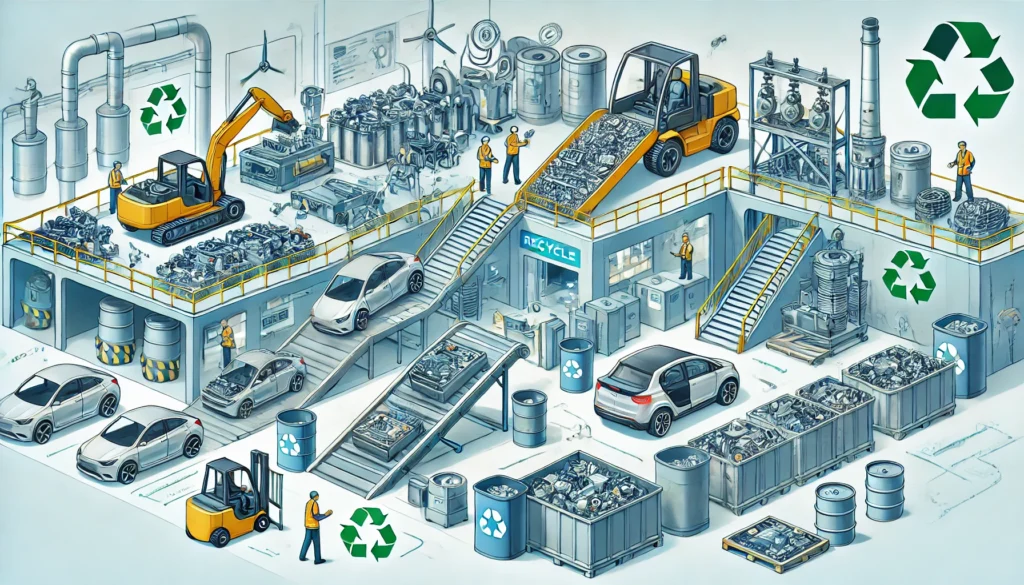
Recycling lithium-ion batteries typically involves several stages. The first step is collection, where spent batteries are gathered from various sources such as dealerships, repair shops, and recycling centers. After collection, the batteries undergo a disassembly process to separate the battery cells and components. Once disassembled, the materials can be processed to extract valuable metals for reuse.
Recent advancements in recycling technology have made it possible to recover up to 95% of the valuable materials in lithium-ion batteries, making the process economically viable and environmentally beneficial. Companies are also developing methods to recycle batteries at a lower cost, paving the way for more widespread adoption of recycling practices.
The Benefits of Lithium-Ion Battery Reuse
One of the most significant advantages of recycling EV batteries is the potential for lithium-ion battery reuse. Instead of simply disposing of a battery once it reaches the end of its automotive life, it can be repurposed for secondary applications. For example, used EV batteries can be employed in stationary energy storage systems, providing backup power for homes or businesses and storing renewable energy from sources like solar panels.
These repurposed batteries can help bridge the gap between energy production and consumption, enhancing the overall efficiency of energy use. Not only does this prolong the life of the battery, but it also contributes to a more sustainable energy ecosystem.
Properly Disposing of EV Batteries
As electric vehicles become more common, educating consumers on how to dispose of EV batteries properly is vital. Throwing batteries in regular trash is not only illegal in many states but also harmful to the environment. Many manufacturers and dealerships offer take-back programs, allowing consumers to return their used batteries for recycling. Furthermore, various recycling centers specialize in handling EV batteries, ensuring they are processed correctly.
In addition, state and federal regulations are evolving to address the growing need for safe battery disposal. By 2024, many regions in the U.S. will have established guidelines and infrastructure for battery recycling, making it easier for consumers to participate in responsible recycling practices.
The Road Ahead
As we move forward in the EV era, the importance of recycling electric vehicle batteries will only grow. It is imperative for manufacturers, consumers, and policymakers to work together to create a comprehensive battery recycling system that supports sustainable practices. The future of transportation relies not only on the development of electric vehicles but also on how we manage the lifecycle of their components.
In conclusion, recycling EV batteries is a crucial aspect of promoting sustainability in the automotive industry. By embracing recycling practices and supporting lithium-ion battery reuse, we can minimize environmental harm and make the most of our resources. Together, we can ensure that the transition to electric vehicles is a step toward a cleaner, greener future for everyone.