Electric vehicles (EVs) have rapidly gained popularity across the United States, and a common perception is that they are best suited for city driving. With their silent operation, regenerative braking, and eco-friendly appeal, many view EVs as ideal for navigating urban landscapes. However, the reality is more nuanced. In this blog, we will explore whether EVs are exclusively for city driving and how they perform in various driving conditions.
The Urban Advantage of EVs
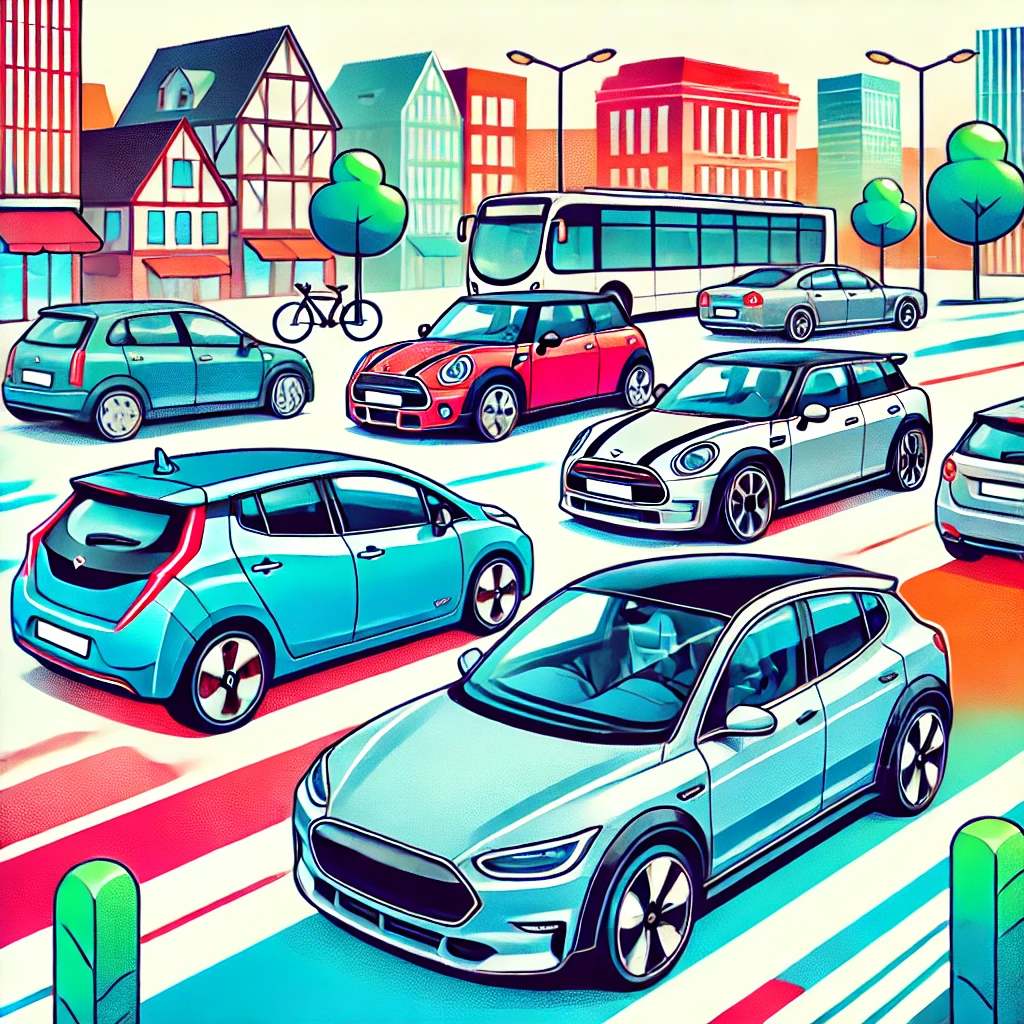
One of the standout features of electric vehicles is their efficiency in city driving. With stop-and-go traffic being the norm in many metropolitan areas, EVs shine thanks to their regenerative braking systems. This technology captures energy typically lost during braking, converting it back into usable power for the battery. As a result, urban drivers can maximize their range and save on charging costs.
Moreover, many city dwellers appreciate the compact size of smaller EV models, making it easier to navigate tight streets and fit into limited parking spaces. Charging infrastructure in urban settings is also expanding rapidly, with numerous public charging stations available. This accessibility allows city residents to charge their EVs while at work, shopping, or enjoying a day out.
Additionally, many EVs feature the latest Apple CarPlay setup, offering seamless integration with smartphones. This technology enhances the driving experience, allowing drivers to use navigation apps, music streaming, and hands-free calling effortlessly. As a result, drivers can stay connected and informed while navigating the urban landscape.
Beyond the City: EVs in Suburban and Rural Areas
While EVs are particularly advantageous for city driving, they are not limited to urban environments. Suburban and rural areas can also benefit from electric vehicles, although the experience may vary. Many suburban households enjoy the convenience of a home charging setup, which allows them to charge overnight. This is particularly beneficial for families with multiple vehicles, as EVs can serve as the primary car for daily commuting and errands.
When it comes to range, modern electric vehicles are designed with longer battery life in mind. Many models can now achieve ranges exceeding 300 miles on a single charge, making them suitable for longer journeys, including weekend getaways and road trips. The increased availability of fast-charging stations along major highways further supports EVs in rural and suburban driving scenarios. Drivers can quickly charge their vehicles during rest stops, ensuring they can cover greater distances without worrying about running out of battery.
Moreover, many larger electric SUVs and trucks offer ample cargo space, making them versatile for families and outdoor enthusiasts. Whether you’re loading up camping gear for a weekend in nature or transporting kids and sports equipment, these EVs can meet the demands of suburban and rural lifestyles.
The Future of EVs in Diverse Conditions
One of the biggest misconceptions about electric vehicles is that they are only practical for short trips and city driving. However, the evolution of EV technology is changing this perception. Automakers are increasingly focused on creating electric vehicles that excel in various conditions, including all-wheel drive systems that enhance traction in inclement weather. Many models are also designed to handle different terrains, from smooth highways to rugged backroads.
While there are still challenges to overcome—such as charging infrastructure in remote areas—many companies are investing heavily in expanding their networks. As charging stations become more widespread, the barriers to using EVs in diverse environments continue to diminish.
Conclusion: A Versatile Choice for All Drivers
Electric vehicles are undoubtedly advantageous for city driving, but their benefits extend far beyond urban settings. With advancements in battery technology, charging infrastructure, and vehicle design, EVs are increasingly versatile and capable of meeting the needs of suburban and rural drivers alike.
In 2024, it’s clear that electric vehicles can be an excellent option for anyone looking to reduce their carbon footprint, save on fuel costs, and enjoy modern technology features like CarPlay compatible cars and CarPlay features. As the EV market continues to grow, potential buyers can feel confident that they are making a smart choice—regardless of their driving environment.
Ultimately, whether you live in a bustling city or a quiet rural area, there’s likely an electric vehicle that perfectly fits your lifestyle. So, if you’re considering making the switch to electric, rest assured that you’re not limited to city driving—you have options!