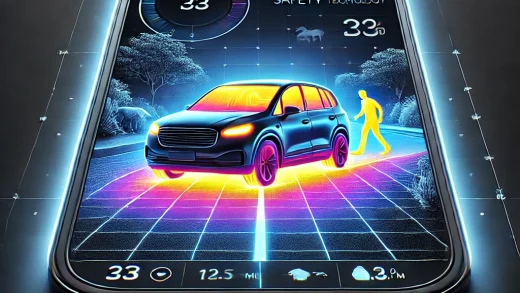
As we move further into 2024, the automotive industry is witnessing a groundbreaking shift towards sustainability with the emergence of zero-energy vehicle designs. These innovative cars, powered by solar and ambient energy, promise to revolutionize the way we think about transportation. In the United States, where environmental concerns and the demand for energy-efficient vehicles are on the rise, zero-energy cars are poised to become a game-changer.
What Are Zero-Energy Vehicles?
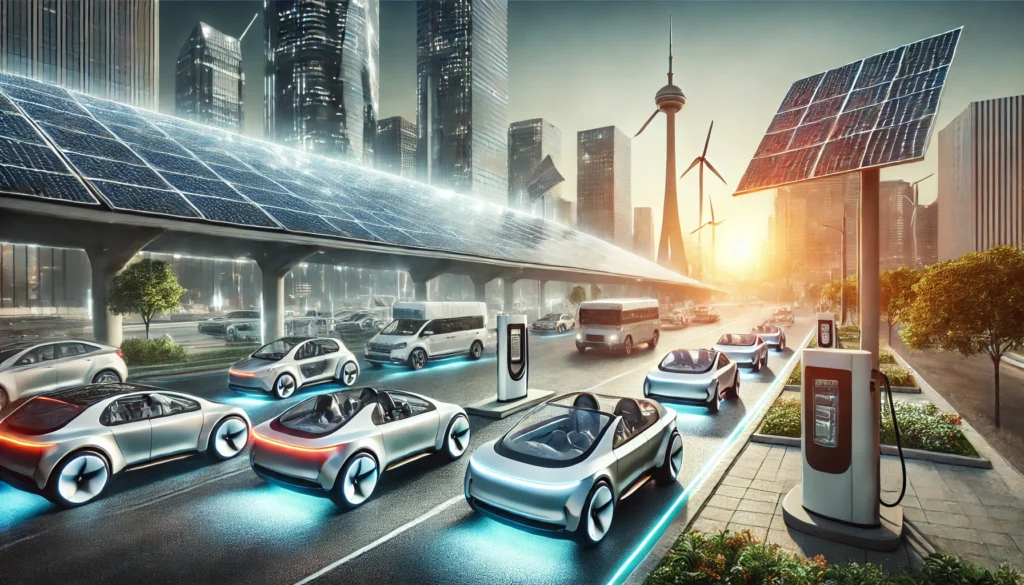
Zero-energy vehicles are designed to operate without relying on traditional fossil fuels. Instead, they harness renewable energy sources such as solar power and ambient energy to propel the vehicle. Unlike conventional electric cars that require charging from the grid, zero-energy vehicles generate their own power, making them highly sustainable and eco-friendly. This technology not only reduces carbon emissions but also decreases our dependence on non-renewable energy sources.
Solar-Powered Cars: Harnessing the Sun
Solar-powered cars are at the forefront of zero-energy vehicle designs. These cars are equipped with advanced solar panels that capture sunlight and convert it into electrical energy. In the United States, where sunlight is abundant in many regions, solar-powered vehicles can significantly reduce the need for external energy sources. Innovations in solar technology have made these panels more efficient and lightweight, allowing them to integrate seamlessly into the car’s design without compromising aesthetics or performance.
One of the standout features of solar-powered cars is their ability to charge while driving or parked. This continuous energy generation ensures that the vehicle remains operational without the need for frequent stops to recharge. Additionally, advancements in battery technology have improved energy storage, allowing these cars to store excess solar energy for use during cloudy days or nighttime driving.
Ambient Energy in Zero-Energy Designs
Ambient energy refers to the energy present in the surrounding environment, such as heat, light, and kinetic energy. Zero-energy vehicles utilize ambient energy harvesting technologies to supplement their power needs. For instance, regenerative braking systems convert the kinetic energy generated during braking into electrical energy, which is then stored in the vehicle’s battery. Similarly, thermoelectric generators can capture waste heat from the engine or exhaust systems and convert it into usable power.
In the US market, the integration of ambient energy technologies enhances the efficiency and range of zero-energy vehicles. By tapping into multiple energy sources, these cars can maintain optimal performance without relying solely on solar power. This multifaceted approach ensures that zero-energy vehicles remain reliable and practical for everyday use.
Comparing Zero-Energy Vehicles in the US Market
The United States is witnessing a surge in the development and adoption of zero-energy vehicles. Companies like Tesla, Lightyear, and Aptera are leading the charge with their cutting-edge designs and innovative technologies. These vehicles offer a range of benefits, including lower operating costs, reduced environmental impact, and enhanced energy independence.
When comparing different zero-energy vehicle models, it’s essential to consider factors such as energy efficiency, range, and overall design. Solar-powered cars from companies like Lightyear boast impressive ranges and sleek designs, making them attractive options for eco-conscious consumers. On the other hand, ambient energy-harvesting technologies in models like the Aptera provide additional energy sources, ensuring consistent performance even in varying weather conditions.
Benefits of Zero-Energy Vehicle Designs
Zero-energy vehicles offer numerous advantages that make them a compelling choice for the future of transportation. Firstly, they contribute significantly to reducing greenhouse gas emissions, helping combat climate change and improve air quality. Secondly, by relying on renewable energy sources, these cars decrease our dependence on fossil fuels, promoting energy independence and security.
Moreover, zero-energy vehicles are cost-effective in the long run. While the initial investment may be higher, the savings on fuel and maintenance costs make them economically viable over time. Additionally, government incentives and rebates for eco-friendly vehicles further enhance their affordability and appeal to consumers.
Challenges and Future Prospects
Despite the promising advancements, zero-energy vehicle designs face several challenges. The efficiency of solar panels and ambient energy harvesting technologies needs continuous improvement to match the energy demands of modern vehicles. Infrastructure development, such as widespread charging stations and maintenance facilities, is also crucial for the widespread adoption of these cars.
However, the future prospects for zero-energy vehicles in the US are bright. Ongoing research and development efforts are focused on enhancing energy efficiency, reducing costs, and expanding the range of available models. As technology progresses and consumer awareness grows, zero-energy vehicles are expected to become more mainstream, paving the way for a sustainable and energy-efficient transportation system.
Conclusion
Zero-energy vehicle designs represent the next frontier in automotive innovation, combining solar and ambient energy technologies to create sustainable and eco-friendly cars. In the United States, the push towards green transportation is driving the adoption of these innovative vehicles, offering a glimpse into a future where cars are powered entirely by renewable energy. As we continue to prioritize environmental sustainability and energy efficiency, zero-energy vehicles are set to play a pivotal role in shaping the future of the automotive industry.