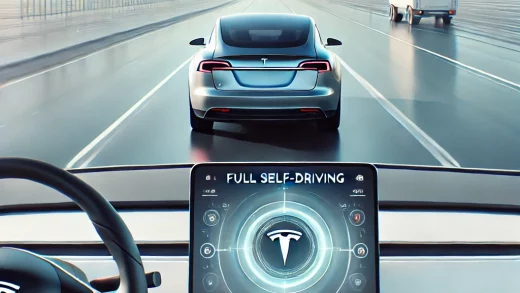
In 2024, artificial intelligence (AI) continues to redefine industries, and the automotive sector is no exception. One of the most transformative innovations is AI-powered predictive maintenance, a technology that’s changing how we think about vehicle upkeep. By leveraging advanced algorithms and real-time data, predictive maintenance enables car owners and fleets across the United States to transition from reactive repairs to proactive care. This shift not only saves money and time but also enhances safety and extends the life of vehicles.

What is AI-Powered Predictive Maintenance?
Traditional vehicle maintenance often relies on fixed schedules or waiting for something to break. Predictive maintenance flips the script by using AI to monitor your vehicle’s condition and predict potential issues before they occur. Sensors embedded in the car collect data on key systems like the engine, brakes, transmission, and tires. This information is analyzed by AI algorithms, which can detect patterns and anomalies that signal wear or impending failure.
For example, instead of waiting for a check engine light or unusual noise, AI can alert you to subtle changes in engine performance, allowing you to address the issue before it becomes a costly repair. This technology is designed to provide actionable insights, helping you maintain your car more effectively and avoid inconvenient breakdowns.
From Wear Detection to Failure Prevention
One of the standout benefits of AI-powered predictive maintenance is its ability to detect wear and prevent failures. In a country like the U.S., where millions of drivers rely on their vehicles for daily commutes and road trips, minimizing downtime is a priority. Whether you’re a daily commuter in Los Angeles traffic or a long-haul trucker navigating cross-country highways, this technology ensures your vehicle stays in peak condition.
AI systems monitor a wide range of factors, such as tire pressure, brake pad thickness, fluid levels, and battery health. For instance, if the AI detects uneven wear on a tire, it can suggest rotation or replacement before a blowout occurs. Similarly, it can flag declining battery performance and recommend replacement before the car fails to start. This proactive approach not only prevents expensive repairs but also enhances safety on the road.
The Role of IoT in Predictive Maintenance
AI-powered predictive maintenance wouldn’t be possible without the Internet of Things (IoT). Modern vehicles are equipped with IoT devices that collect and transmit data in real time. These devices act as the eyes and ears of the AI system, providing continuous insights into your car’s performance.
In 2024, the integration of 5G technology has further improved the speed and reliability of IoT systems in vehicles. This advancement allows predictive maintenance solutions to provide instant updates and recommendations, ensuring drivers are always informed about their car’s condition.
For U.S. fleet operators, this combination of AI and IoT is a game-changer. Managing large fleets can be a logistical challenge, but predictive maintenance streamlines the process. Fleet managers can monitor all vehicles remotely, schedule maintenance strategically, and avoid unexpected downtime, resulting in significant cost savings and improved efficiency.
Benefits for Drivers and the Environment
AI-powered predictive maintenance isn’t just about convenience; it also delivers tangible benefits for drivers and the environment. For individual car owners, it reduces the frequency and cost of repairs. By addressing minor issues early, you can avoid major repairs that would otherwise hit your wallet hard. It also improves fuel efficiency, as a well-maintained vehicle consumes less fuel, saving money at the pump.
Environmentally, this technology contributes to reduced emissions. A vehicle running at peak performance generates fewer pollutants, aligning with the growing emphasis on sustainability in the U.S. automotive industry. Predictive maintenance helps ensure that vehicles remain compliant with emission standards, supporting the country’s broader efforts to combat climate change.
The Future of Predictive Maintenance
As we look ahead, AI-powered predictive maintenance is set to become even more sophisticated. Machine learning algorithms are continually improving, allowing for more accurate predictions and deeper insights. Automakers are integrating these systems into new vehicles as standard features, making advanced maintenance tools accessible to more drivers.
In the future, we may see AI systems capable of scheduling repairs automatically, ordering parts, or even integrating with autonomous driving systems to adjust vehicle performance on the fly. For U.S. drivers, this means fewer headaches, better safety, and a more seamless driving experience.
Conclusion
AI-powered predictive maintenance is revolutionizing how Americans care for their vehicles in 2024. By detecting wear, preventing failures, and enhancing safety, this technology is making car ownership more manageable and cost-effective. With IoT and AI working hand in hand, the days of surprise breakdowns and costly repairs may soon be behind us.
Whether you’re a commuter, a fleet operator, or simply someone who values reliability, predictive maintenance offers a smarter, greener way to keep your car running smoothly. The future of vehicle maintenance has arrived, and it’s powered by AI.