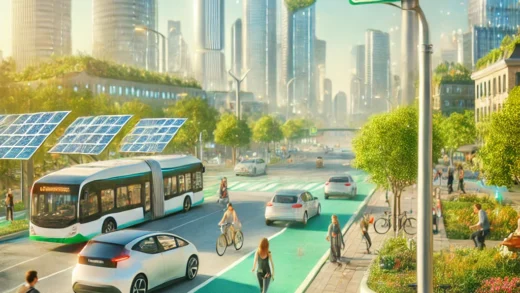
European cities are leading the charge in rethinking urban mobility with the introduction of car-free zones. From bustling squares in Copenhagen to vibrant pedestrian streets in Paris, these zones are transforming urban centers into cleaner, safer, and more accessible spaces. But how do these initiatives impact urban mobility, and what lessons can U.S. cities draw from their European counterparts in 2025?
The Concept of Car-Free Zones
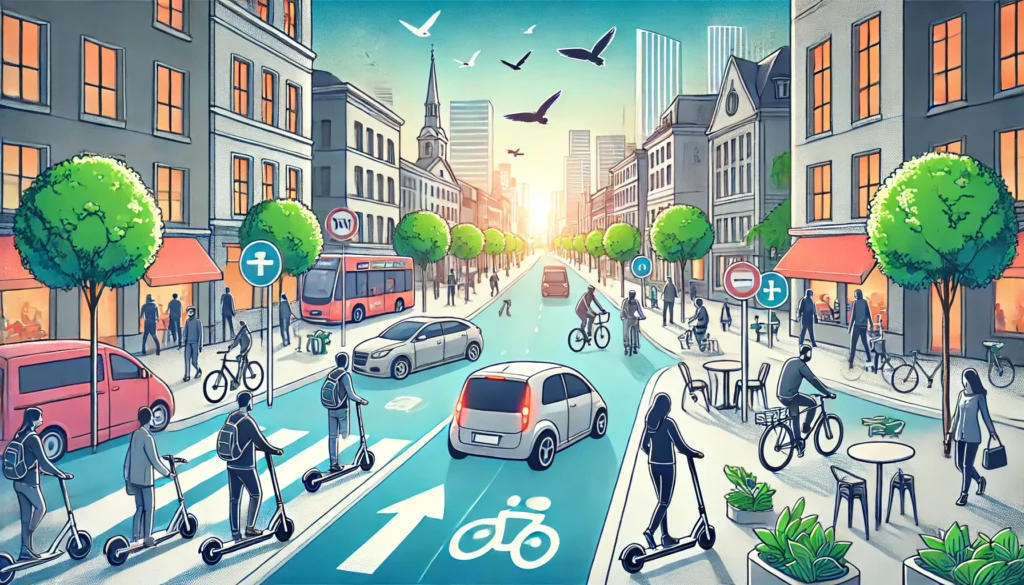
Car-free zones are areas within a city where private vehicles are restricted or entirely banned. These zones prioritize pedestrians, cyclists, and public transportation, creating environments that are safer and more environmentally friendly. In cities like Oslo and Amsterdam, car-free policies have reshaped urban landscapes, reducing traffic congestion and improving air quality.
For Europeans, this approach is more than a strategy to reduce emissions—it’s about reclaiming public spaces. By limiting car access, these zones open up streets for outdoor dining, cultural events, and recreational activities, fostering a sense of community that was previously hindered by vehicle dominance.
The Impact on Urban Mobility
In European cities, car-free zones have had a transformative effect on urban mobility. Public transportation systems, already robust in most of these cities, have been further optimized to meet the needs of residents and visitors. Investments in cycling infrastructure and pedestrian pathways have made walking and biking not just feasible but enjoyable alternatives to driving.
Cities like Barcelona have seen significant success with their “superblocks,” which limit through-traffic in residential areas. This initiative has reduced car use by up to 20% in certain neighborhoods, cutting emissions and noise pollution while boosting local economies as foot traffic increases.
Meanwhile, logistics and delivery services have adapted by employing electric bikes, cargo vans, and designated delivery hours to maintain business operations without disrupting pedestrian-friendly zones.
Can the U.S. Embrace Car-Free Zones?
While European cities have been early adopters of car-free initiatives, the concept is starting to gain traction in the U.S., albeit at a slower pace. Cities like New York and San Francisco have experimented with limited car-free areas, such as Times Square and Market Street, with mixed results.
One major challenge for U.S. cities is their car-centric infrastructure. Suburban sprawl and a heavy reliance on private vehicles make it difficult to implement car-free zones on a large scale. Unlike Europe, where cities were historically designed for pedestrians, many American cities were built with cars in mind, making the transition more complex.
However, the growing emphasis on sustainability and urban livability in the U.S. is creating opportunities for change. Younger generations are increasingly choosing public transportation and cycling over driving, and cities are investing in public transit and bike-sharing programs.
Environmental and Health Benefits
One of the most compelling reasons to consider car-free zones is their impact on the environment. In European cities, these zones have been a powerful tool in reducing greenhouse gas emissions. With fewer cars on the road, air quality improves, benefiting residents’ health and contributing to global climate goals.
In the U.S., where transportation accounts for nearly 30% of greenhouse gas emissions, car-free zones could play a pivotal role in reducing the nation’s carbon footprint. Beyond environmental benefits, these zones promote healthier lifestyles by encouraging walking and cycling, which can combat issues like obesity and heart disease.
The Economic Case for Car-Free Zones
Car-free zones aren’t just good for the environment—they’re good for business too. In European cities, businesses located within pedestrianized areas often report increased foot traffic and sales. Without the noise and disruption of cars, these spaces become more attractive to shoppers and tourists.
In the U.S., adopting car-free zones in downtown areas could similarly revitalize struggling retail districts. By creating pleasant, accessible environments, cities can attract more visitors and encourage local spending, boosting their economies while reducing their reliance on cars.
A Path Forward for U.S. Cities
As we look toward the future, U.S. cities have much to gain from adopting car-free initiatives. While it may not be feasible to implement them as extensively as in Europe, targeted efforts in urban centers could still have a meaningful impact. Policies that prioritize public transportation, invest in cycling infrastructure, and promote pedestrian-friendly streets can create cleaner, safer, and more vibrant cities.
The transition won’t happen overnight, but the success of car-free zones in European cities offers a roadmap. By reimagining urban mobility, U.S. cities can create environments where people—not cars—take center stage.
As we move through 2025 and beyond, the push for sustainable, livable urban spaces will only grow stronger. Car-free zones are more than just a trend—they’re a solution to some of the biggest challenges facing modern cities, from traffic congestion to climate change. And while the U.S. has a unique set of challenges, the potential benefits of adopting these strategies make the journey worthwhile.
The future of urban mobility is car-free, and it’s time for U.S. cities to take their first steps.