Zero-emission zones (ZEZs) are rapidly becoming a defining feature of urban life in Europe. Designed to tackle air pollution and combat climate change, these areas restrict or completely prohibit vehicles that emit greenhouse gases, encouraging the use of cleaner, more sustainable modes of transport. As Europe leads the charge in implementing ZEZs, it’s not only transforming car ownership but also setting a precedent for cities in the United States.
As 2025 unfolds, the ripple effects of these policies are being felt far beyond city limits, raising questions about how car ownership and transportation models might evolve in the US.
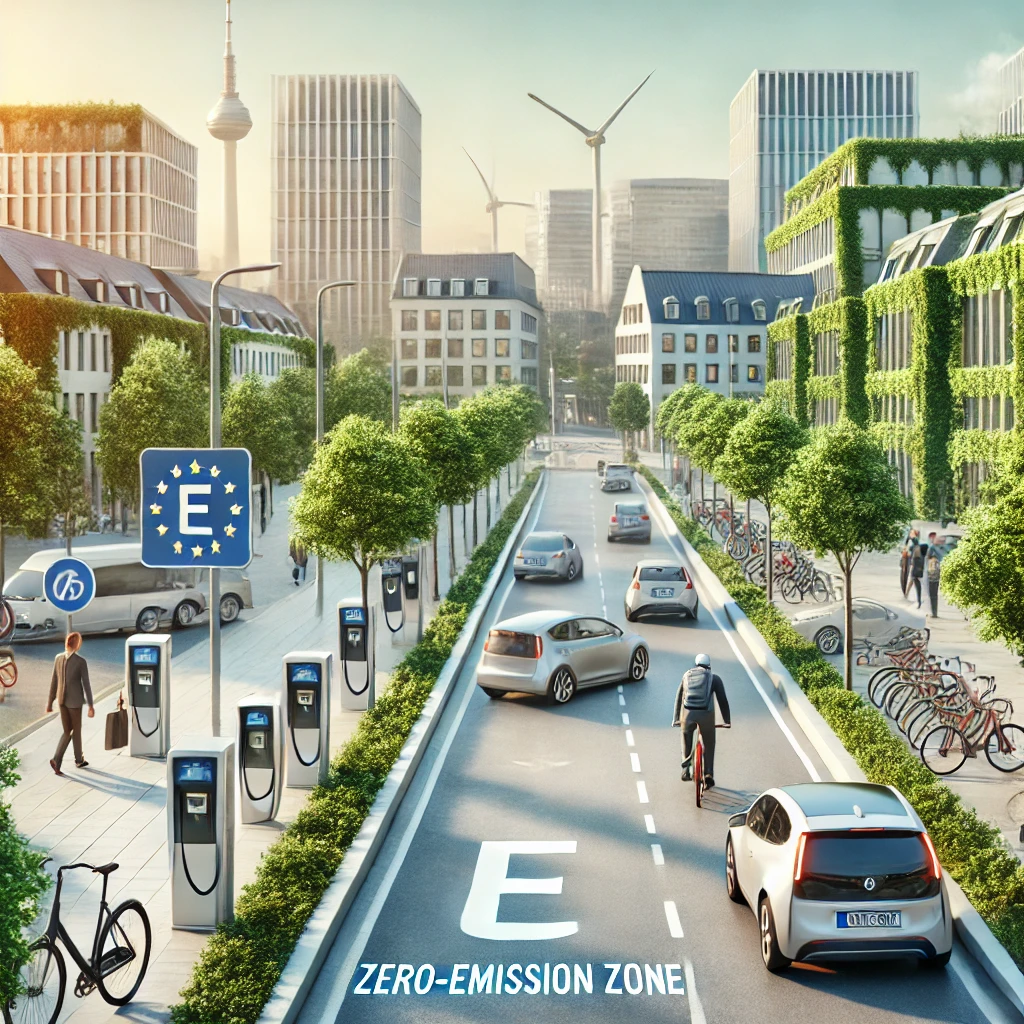
Zero-Emission Zones: A New Urban Reality in Europe
Across Europe, cities are embracing zero-emission zones as part of a broader push for sustainability and healthier urban living. From London’s Ultra Low Emission Zone (ULEZ) to Amsterdam’s plans to phase out gas and diesel cars by 2030, ZEZs are reshaping how people travel. These zones typically allow only electric vehicles (EVs), hydrogen-powered cars, bicycles, and public transport, leaving traditional petrol and diesel vehicles at the curb.
For car owners in Europe, this shift is not just about compliance; it’s about adapting to a new way of thinking about mobility. Many drivers are trading in their internal combustion engine vehicles for EVs to retain access to city centers. Others are opting to forego car ownership altogether, instead relying on public transportation, car-sharing services, and bicycles.
The Financial and Social Impact on European Car Owners
Zero-emission zones are influencing not only the environment but also the wallets and lifestyles of European residents. While the upfront cost of switching to an EV can be daunting, generous government subsidies, tax breaks, and growing availability of affordable models are easing the transition. In cities like Paris and Milan, local governments also offer incentives for scrapping old polluting vehicles, further encouraging cleaner mobility choices.
Socially, ZEZs are fostering a culture of shared and sustainable mobility. Urban dwellers are increasingly embracing car-free lifestyles, bolstered by the widespread availability of well-connected public transport and bike-sharing networks. The rise of electric scooters and shared mobility platforms is further reducing the dependence on private vehicles, making city life more efficient and environmentally friendly.
How the US Is Approaching Zero-Emission Policies
While the US is trailing Europe in adopting zero-emission zones, the concept is starting to gain traction. Cities like Los Angeles and New York are exploring low-emission zones as part of their climate action plans. California, a trailblazer in green transportation policies, has committed to banning the sale of new gasoline-powered cars by 2035, a move that aligns with the ethos of ZEZs.
However, implementing zero-emission zones in the US presents unique challenges. American cities, with their sprawling layouts and car-centric culture, face greater obstacles in reducing reliance on personal vehicles. Public transportation systems in many cities are less comprehensive than their European counterparts, making alternatives to car ownership less viable for many residents.
That said, there are lessons to be learned from Europe. By focusing on infrastructure improvements, such as expanding EV charging networks and investing in public transport, US cities can create an ecosystem that supports the adoption of ZEZs. The growth of ride-sharing services and e-mobility platforms also presents an opportunity to reduce the need for private car ownership, even in car-dependent regions.
Bridging the Gap: EVs as a Common Solution
A common thread between Europe’s success and the US’s potential lies in the transition to electric vehicles. For both regions, EVs represent a practical solution for maintaining personal mobility while complying with zero-emission regulations. In Europe, the increasing affordability of EVs, coupled with an extensive charging infrastructure, has made the transition smoother. The US is following suit, with federal initiatives such as tax credits for EV buyers and funding for nationwide charging networks.
The expansion of EV options, including more affordable models and longer-range batteries, is making it easier for car owners in both regions to adapt. Automakers are responding to the demand, rolling out innovative designs and features tailored to meet the needs of urban and suburban consumers.
A Cleaner Future for Cities on Both Continents
Zero-emission zones are more than just a regulatory tool; they are a vision of what sustainable cities can look like. In Europe, these zones have already reshaped car ownership and mobility habits, inspiring a wave of cleaner, more efficient urban living. For the US, the path to implementing ZEZs may be different, but the goal remains the same: to create cities that prioritize people over pollution.
As cities worldwide grapple with the challenges of climate change and urbanization, zero-emission zones are proving to be a powerful solution. Whether in the cobbled streets of Amsterdam or the highways of Los Angeles, the future of mobility is electric, shared, and sustainable. Both Europe and the US have much to gain from embracing this transformation, ensuring cleaner air, healthier cities, and a more sustainable planet for generations to come.