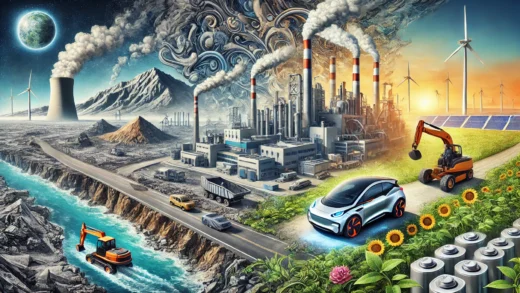
In an era of increasing concern over environmental sustainability, the automotive industry is undergoing a significant transformation. Software-defined and connected vehicles have emerged as innovative solutions with the potential to mitigate the environmental impact of transportation. This blog explores the environmental implications of software-defined and connected vehicles in the United States.

Reduced Emissions:
One of the primary environmental benefits of software-defined and connected vehicles is the potential to reduce emissions. These vehicles often incorporate advanced technologies such as electric powertrains, hybrid systems, and efficient propulsion systems. By optimizing engine performance, managing energy consumption more effectively, and reducing reliance on fossil fuels, software-defined and connected vehicles can help decrease greenhouse gas emissions and air pollution, contributing to improved air quality and public health.
Optimized Driving Patterns:
Software-defined and connected vehicles have the capability to analyze driving patterns, traffic conditions, and road infrastructure in real-time. This information allows vehicles to optimize their routes, minimize congestion, and avoid idling, leading to more efficient and eco-friendly driving behavior. By reducing unnecessary fuel consumption and emissions associated with traffic congestion and inefficient driving practices, software-defined and connected vehicles can help conserve energy and reduce environmental impact.
Predictive Maintenance:
Connected vehicles equipped with telematics and predictive maintenance capabilities can detect potential mechanical issues before they escalate, allowing for proactive maintenance and repair. By addressing maintenance needs promptly and preventing breakdowns or malfunctions, connected vehicles can reduce the environmental impact of vehicle maintenance activities. This includes minimizing the disposal of hazardous materials, optimizing resource utilization, and extending the lifespan of vehicle components, all of which contribute to reduced environmental footprint.
Enhanced Energy Management:
Software-defined and connected vehicles leverage intelligent energy management systems to optimize the utilization of onboard energy resources. Electric vehicles, in particular, benefit from sophisticated energy management algorithms that maximize battery efficiency, regulate energy flow, and minimize energy losses during charging and discharging cycles. By improving energy efficiency and reducing wastage, software-defined and connected vehicles contribute to lower energy consumption and reduced reliance on non-renewable energy sources, thereby promoting environmental sustainability.
Data-Driven Insights:
Connected vehicles generate vast amounts of data related to driving behavior, vehicle performance, and environmental conditions. This data can provide valuable insights into the environmental impact of transportation, helping policymakers, urban planners, and transportation agencies make informed decisions about infrastructure development, traffic management, and emission reduction strategies. By harnessing data-driven insights, software-defined and connected vehicles can contribute to more sustainable transportation systems and promote environmentally friendly policies and initiatives.
In conclusion, software-defined and connected vehicles have the potential to significantly reduce the environmental impact of transportation in the United States. Through features such as reduced emissions, optimized driving patterns, predictive maintenance, enhanced energy management, and data-driven insights, these vehicles offer innovative solutions for mitigating air pollution, conserving energy, and promoting environmental sustainability. As the automotive industry continues to embrace digitalization and connectivity, software-defined and connected vehicles will play an increasingly important role in shaping a more sustainable future for transportation.