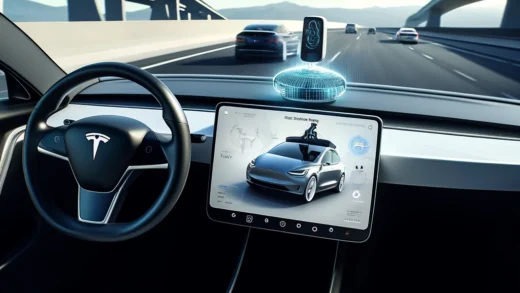
As we journey through 2025, the landscape of urban transportation is undergoing a remarkable transformation. The advent of self-driving taxis, particularly Tesla’s ambitious Robotaxi program, is set to redefine ride-hailing services in major U.S. cities. This innovation promises not only enhanced convenience and efficiency but also a significant shift towards a smarter, more sustainable future for urban mobility.
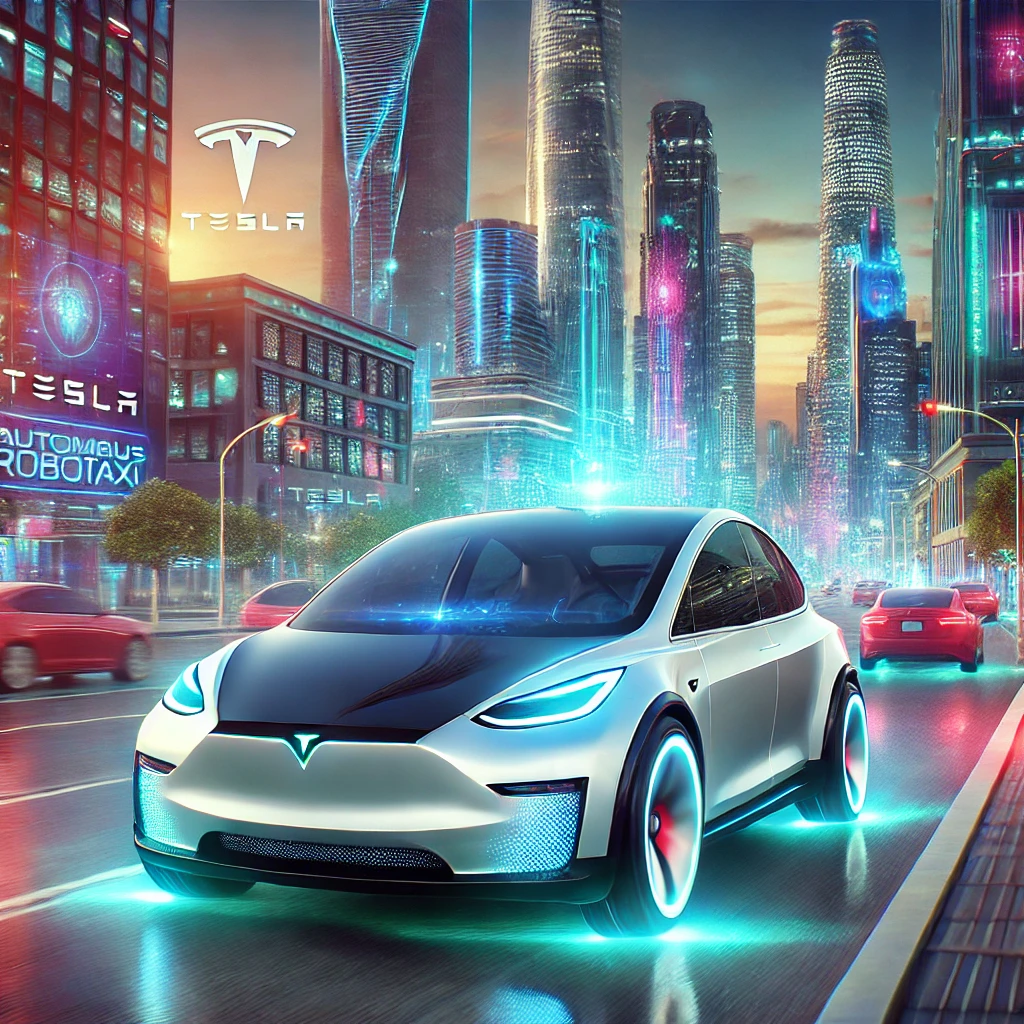
The Rise of Self-Driving Taxis
Self-driving taxis represent the pinnacle of autonomous vehicle technology, merging artificial intelligence, advanced sensors, and robust software to navigate city streets without human intervention. Tesla, a leader in electric vehicle innovation, is spearheading this movement with its Robotaxi initiative. By leveraging its extensive experience in autonomous driving technology, Tesla aims to offer a fleet of fully autonomous taxis that can seamlessly integrate into the bustling urban environments of the United States.
The concept is simple yet revolutionary: passengers can hail a Tesla Robotaxi via a mobile app, much like traditional ride-hailing services, but without the need for a human driver. This not only streamlines the ride experience but also opens up new possibilities for urban transportation, reducing traffic congestion and lowering emissions.
Tesla Robotaxi: Leading the Charge
Tesla’s Robotaxi program is more than just a fleet of self-driving cars; it embodies the company’s vision for a sustainable and efficient transportation ecosystem. Built on Tesla’s cutting-edge Autopilot and Full Self-Driving (FSD) technologies, Robotaxis are equipped with an array of sensors, cameras, and AI-driven software that enable them to navigate complex urban environments with ease.
One of the key advantages of Tesla Robotaxis is their electric powertrains, which align with the growing demand for eco-friendly transportation solutions. By replacing traditional gasoline-powered taxis with electric Robotaxis, cities can significantly reduce their carbon footprint and contribute to cleaner air and a healthier environment.
Transforming Urban Mobility in the U.S.
In the United States, urban centers like New York, Los Angeles, and Chicago are prime candidates for the deployment of self-driving taxis. These cities, characterized by high population density and significant traffic congestion, stand to benefit immensely from the introduction of autonomous ride-hailing services.
Tesla Robotaxis can optimize traffic flow by utilizing sophisticated algorithms to determine the most efficient routes, thereby reducing travel times and easing congestion. Moreover, the seamless integration of Robotaxis with existing public transportation systems can enhance overall mobility, offering residents a more reliable and flexible transportation option.
Benefits for Consumers and Cities
The adoption of self-driving taxis brings a multitude of benefits for both consumers and urban areas. For riders, the convenience of booking a ride via a smartphone app, combined with the reliability of autonomous navigation, ensures a smooth and efficient travel experience. The elimination of human error in driving also enhances safety, potentially reducing the number of traffic accidents and fatalities.
For cities, the widespread use of Robotaxis can lead to significant economic and environmental advantages. Reduced reliance on personal vehicles can decrease the demand for parking spaces, freeing up valuable urban land for other uses. Additionally, lower emissions from electric Robotaxis contribute to cleaner air and help cities meet their sustainability goals.
Overcoming Challenges
Despite the promising potential, the transition to self-driving taxis is not without challenges. Regulatory hurdles, technological limitations, and public acceptance are key factors that need to be addressed. Ensuring that autonomous vehicles comply with local laws and safety standards is crucial for their successful deployment.
Tesla is actively working with regulators to establish comprehensive guidelines that ensure the safe operation of Robotaxis on public roads. Furthermore, ongoing advancements in AI and machine learning are continually improving the reliability and performance of autonomous driving systems, making self-driving taxis more viable and trustworthy.
Public perception also plays a significant role in the adoption of self-driving technology. Building trust through transparency, rigorous testing, and demonstrating the safety and efficiency of Robotaxis is essential for widespread acceptance.
Looking Ahead: A Smart Mobility Future
As we look towards the future, the integration of Tesla Robotaxis into the urban fabric of U.S. cities represents a significant step towards smarter and more sustainable mobility solutions. The convergence of autonomous technology, electric vehicles, and innovative ride-hailing services is set to transform how we navigate our cities, offering a glimpse into a future where transportation is more efficient, eco-friendly, and accessible to all.
Tesla’s Robotaxi program is not just a vision of tomorrow; it is rapidly becoming a reality today. By addressing the challenges and capitalizing on the opportunities, Tesla is paving the way for a new era of urban mobility that promises to enhance the quality of life for millions of Americans.
Conclusion
The rise of self-driving taxis, led by Tesla’s Robotaxi initiative, marks a pivotal moment in the evolution of urban transportation. As cities across the United States embrace this technology, the benefits of enhanced efficiency, reduced emissions, and improved safety are becoming increasingly evident. While challenges remain, the continued innovation and collaboration between technology providers, regulators, and urban planners will drive the successful integration of autonomous ride-hailing services into the fabric of American cities. The future of ride-hailing is here, and it is autonomous, electric, and incredibly promising.