As India steers towards a greener future, electrification of its vast automobile fleet has become a cornerstone of national policy. In 2025, the push for electric vehicles (EVs) is not just an environmental imperative but also a strategic move to reduce dependence on imported oil, create jobs, and foster technological innovation. This journey towards electrification is being significantly shaped by government incentives and the challenges that lie ahead.
Government Incentives Driving EV Adoption
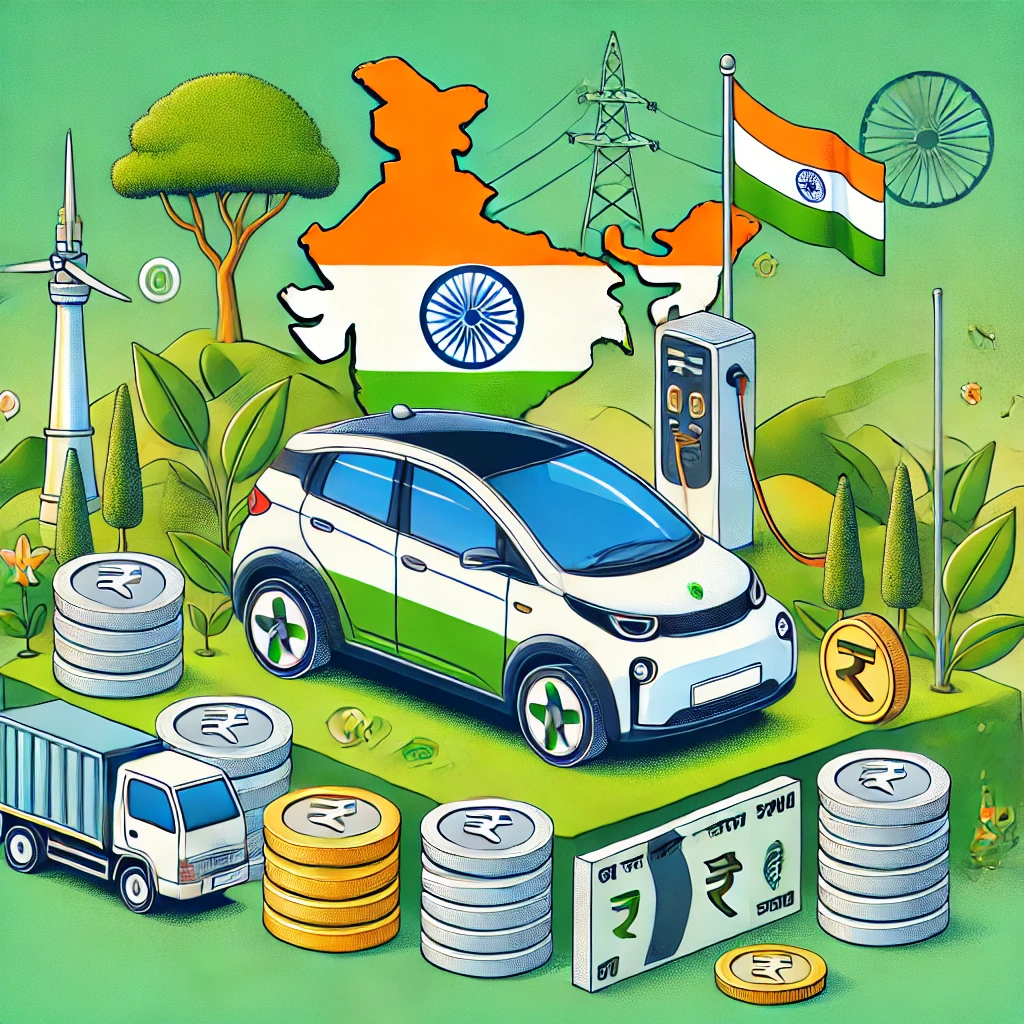
The Indian government has been proactive in creating a conducive environment for the adoption of electric vehicles. Central to these efforts is the Faster Adoption and Manufacturing of Hybrid and Electric Vehicles (FAME) scheme, which provides subsidies and incentives for both manufacturers and consumers. Under FAME II, launched in 2019 and extended into 2025, substantial financial support is offered for the purchase of EVs, the development of charging infrastructure, and the promotion of research and development in the EV sector.
In addition to FAME, the government has introduced tax exemptions and reduced import duties on electric cars and their components. These measures aim to make EVs more affordable for the average consumer and encourage manufacturers to invest in electric technology. State governments across India are also rolling out their own incentives, including additional subsidies, reduced registration fees, and perks such as free parking and access to restricted traffic zones for EV owners.
Infrastructure development is another key focus area. The government is investing heavily in expanding the network of public charging stations, recognizing that accessible charging infrastructure is critical to the widespread adoption of electric vehicles. Partnerships with private companies are being encouraged to accelerate the deployment of these facilities, ensuring that EV owners have convenient and reliable access to charging points across major cities and highways.
Progress on the Road to Electrification
India has made significant strides in the EV market over the past few years. The number of electric two-wheelers and three-wheelers has surged, driven by their affordability and the availability of incentives. Electric cars, while still a smaller segment, are gaining traction as more models become available and prices become more competitive.
Major automotive manufacturers are expanding their EV offerings, and numerous startups are entering the market with innovative solutions. This surge in options is providing consumers with a broader range of choices, from compact city cars to larger SUVs, all equipped with the latest electric technology. Additionally, advancements in battery technology are improving the range and performance of EVs, addressing one of the primary concerns of potential buyers.
Challenges Hindering Electrification
Despite the progress, several challenges impede the rapid adoption of electric vehicles in India. One of the most significant hurdles is the high upfront cost of EVs compared to traditional internal combustion engine (ICE) vehicles. Although government incentives help offset these costs, the initial investment remains a barrier for many consumers.
Charging infrastructure, while expanding, is still insufficient, particularly in rural and semi-urban areas. The lack of widespread and reliable charging stations limits the practicality of owning an EV for long-distance travel or in regions with limited infrastructure. Additionally, the power grid in some areas may struggle to handle the increased demand from electric vehicles, necessitating further upgrades and investments.
Consumer awareness and acceptance also pose challenges. Many potential buyers are still unfamiliar with the benefits and operation of electric vehicles, leading to hesitation in making the switch from traditional vehicles. Education and outreach programs are essential to inform consumers about the long-term cost savings, environmental benefits, and technological advancements associated with EVs.
Another critical issue is the supply chain for EV components, particularly batteries. India currently relies heavily on imports for key components, which can lead to supply disruptions and increased costs. Developing a robust domestic supply chain is crucial for sustaining the growth of the EV market and ensuring the availability of affordable electric vehicles.
Looking Ahead: Overcoming Challenges and Embracing Opportunities
To sustain the momentum towards electrification, India must address these challenges head-on. Continued government support and enhanced incentives will be vital in making electric vehicles more accessible and affordable. Expanding the charging infrastructure, particularly in underserved areas, is essential to ensure that EVs can be a practical choice for all consumers.
Investment in local manufacturing and research will help reduce dependence on imports and lower the cost of EV components. Encouraging innovation and supporting startups in the EV sector can drive technological advancements and create a more resilient supply chain.
Education and awareness campaigns are also crucial in changing consumer perceptions and increasing the acceptance of electric vehicles. Highlighting the economic and environmental benefits of EVs can motivate more people to make the switch.
Conclusion
India’s path to electrification is a testament to the country’s commitment to sustainable development and technological advancement. Government incentives have played a pivotal role in accelerating the adoption of electric vehicles, while ongoing challenges highlight the need for continued efforts and collaboration between the public and private sectors. As India navigates these challenges, the future of transportation looks increasingly electric, promising a cleaner, more efficient, and economically vibrant automotive landscape.
In 2025 and beyond, the journey towards electrification in India is not just about embracing new technology but also about building a sustainable and resilient future for generations to come. With the right policies, investments, and public support, India is well on its way to becoming a leader in the global electric vehicle revolution.