

As we move deeper into 2024, the shift toward electric vehicles (EVs) in the commercial sector is gaining momentum. Businesses across the United States are recognizing the benefits of transitioning to electric commercial vehicles, from reducing operational costs to minimizing their environmental impact. However, the successful adoption of commercial EVs hinges on the development of robust charging infrastructure. This blog will explore the current state of commercial EV charging, the challenges businesses face, and the innovative solutions paving the way for a sustainable future.
The Growing Demand for Commercial EV Charging
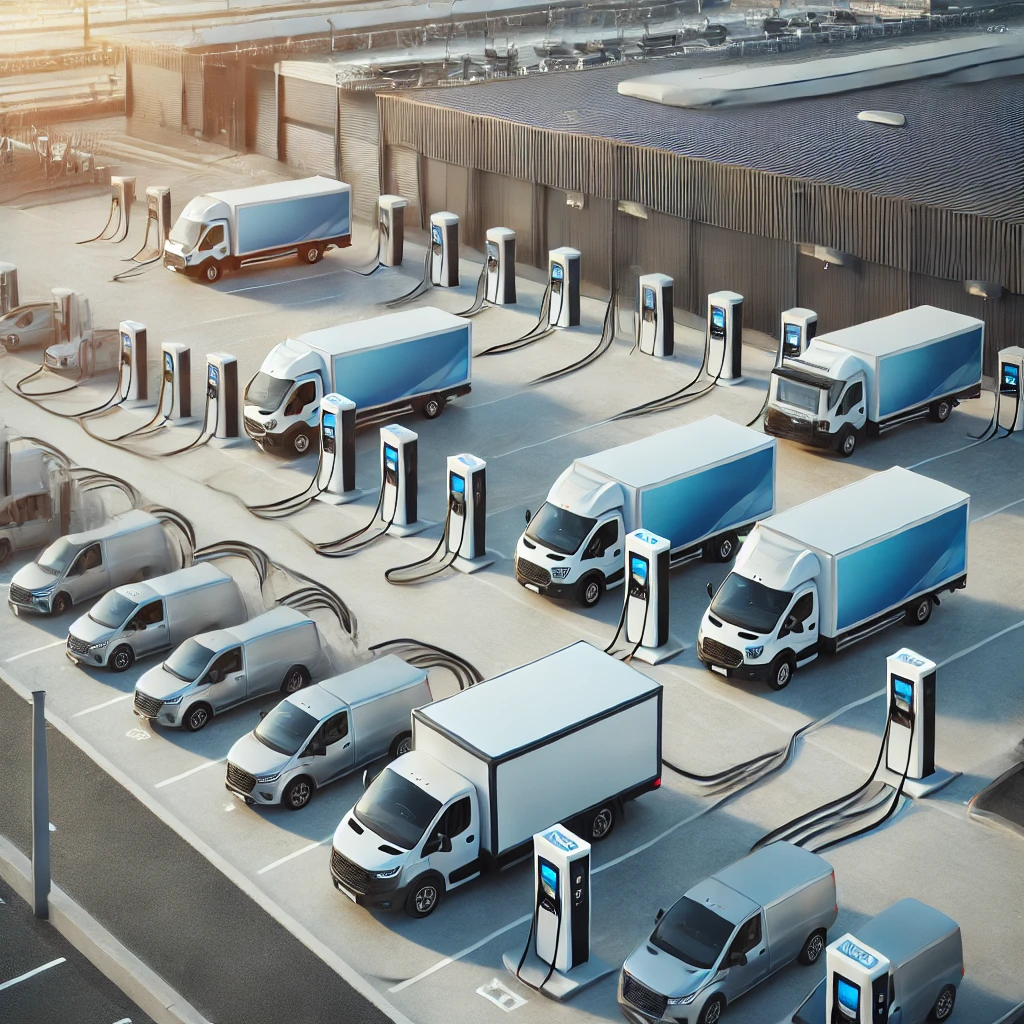
With more companies committing to sustainability goals, the demand for commercial electric vehicles is on the rise. From delivery vans to heavy-duty trucks, businesses are increasingly investing in electric models that can help reduce their carbon footprint and save on fuel costs. However, for these vehicles to operate effectively, a comprehensive network of charging stations for trucks and vans must be in place.
In 2024, various industries are making the switch to electric fleets, including logistics, public transportation, and service-based businesses. These transitions necessitate not only the acquisition of commercial EVs but also the establishment of effective commercial EV charging solutions that can support them.
Key Challenges in Charging Infrastructure
While the advantages of electric commercial vehicles are clear, several challenges remain regarding charging infrastructure. One significant issue is the availability of charging stations in strategic locations. Many urban areas are developing charging networks, but rural regions often lack sufficient infrastructure, making it challenging for fleets that operate beyond city limits.
Another challenge is the charging speed and technology. Commercial vehicles typically require faster charging options to minimize downtime during operations. While Level 2 chargers are common, they may not provide the rapid charging needed for larger fleets that need to keep moving. Businesses require fast-charging solutions, such as DC fast chargers, to ensure their vehicles can quickly get back on the road.
Moreover, the installation of charging stations can be costly and complex. Many companies may not have the upfront capital needed to invest in charging infrastructure, particularly small to mid-sized businesses. However, with the right incentives and partnerships, these hurdles can be overcome.
Innovative Fleet Charging Solutions
In response to these challenges, numerous innovative fleet charging solutions are emerging in 2024. Many businesses are exploring partnerships with charging network providers to access comprehensive charging infrastructure. These collaborations often lead to the development of tailored charging solutions that meet the unique needs of specific fleets.
For instance, several cities are establishing public-private partnerships to build charging stations in strategic locations, making it easier for commercial EVs to access power. These initiatives aim to create a reliable network of commercial EV charging options that can support various vehicle types and operational requirements.
Additionally, technology is playing a crucial role in enhancing charging infrastructure. Smart charging solutions enable fleet managers to optimize charging schedules based on energy rates and vehicle availability. By utilizing data analytics and monitoring tools, companies can ensure that their vehicles are charged at the most cost-effective times while minimizing the strain on local power grids.
Government Support and Incentives
In 2024, government support is vital to the expansion of commercial EV charging infrastructure. Federal and state governments are offering various incentives to encourage the adoption of electric vehicles, including grants and tax credits for businesses that invest in charging stations. These incentives can significantly lower the costs associated with setting up charging infrastructure, making it more accessible for all businesses.
Moreover, legislation aimed at reducing greenhouse gas emissions is pushing for more charging infrastructure to support the electrification of transportation. As cities and states develop policies to meet their sustainability goals, the availability of commercial EV charging stations is likely to expand.
The Road Ahead: A Sustainable Future for Commercial Fleets
As we look to the future, the importance of robust charging infrastructure for commercial EVs cannot be overstated. A well-developed network of charging stations for trucks and vans will be critical in enabling businesses to transition smoothly to electric fleets. With ongoing innovations in fleet charging solutions and strong government support, the path toward a sustainable future for commercial transportation is becoming clearer.
In conclusion, the evolution of commercial EV charging infrastructure is essential for supporting the growing adoption of electric vehicles in the US. By addressing challenges, leveraging innovative solutions, and embracing government incentives, businesses can ensure they are well-equipped to navigate the transition to electric fleets. With the right charging infrastructure in place, the future of commercial transportation looks promising, paving the way for a cleaner, more sustainable world.


