As we step into 2024, the conversation around climate change and environmental responsibility has reached a crucial turning point in the automotive industry. Automakers are setting ambitious carbon neutrality goals, aiming to minimize their environmental impact and contribute to a more sustainable future. These initiatives not only reflect a growing commitment to sustainability but also signal a significant shift in how car companies approach manufacturing and technology.
Understanding Automaker Carbon Neutrality
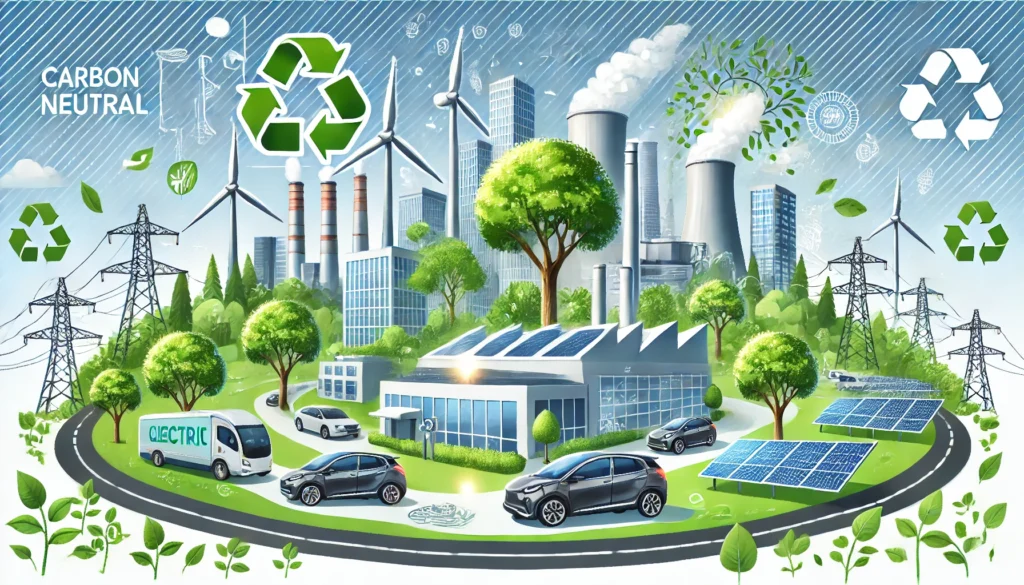
Automaker carbon neutrality refers to the commitment made by car manufacturers to eliminate or offset their carbon emissions across all operations, including production, distribution, and vehicle use. This goal is becoming increasingly important as consumers demand cleaner, more sustainable vehicles. In the U.S., many major automakers are pledging to achieve net-zero emissions within the next few decades, leading the charge towards a more eco-friendly automotive industry.
This push for carbon neutrality stems from the need to combat climate change, with transportation being one of the largest contributors to greenhouse gas emissions. The shift toward electric vehicles (EVs) is a cornerstone of these goals, as they produce zero tailpipe emissions. However, automakers are also looking at their entire production process, from the materials they use to the energy sources powering their factories, to ensure they meet their sustainability targets.
Car Companies and Their Sustainability Efforts
Several major car companies in the U.S. have already outlined their sustainability strategies and carbon neutrality timelines. For instance, General Motors (GM) has set an ambitious target to become carbon neutral by 2040. The company aims to eliminate tailpipe emissions from new light-duty vehicles by 2035 and significantly reduce emissions from its manufacturing facilities. GM is investing heavily in EV technology, transitioning its lineup to include a range of electric options.
Ford is also making significant strides toward sustainability with its “Ford 2030” plan. The company aims for carbon neutrality globally by 2050 and has committed to having 40% of its global vehicle volume be fully electric by 2030. This commitment includes investments in battery technology and partnerships with renewable energy providers to power its manufacturing plants with clean energy.
Similarly, Tesla continues to lead the way in zero-emission goals, not only through its innovative electric vehicles but also through its commitment to sustainable manufacturing practices. The company aims to produce vehicles using sustainable materials and ensure that its factories operate with minimal environmental impact.
Challenges on the Road to Carbon Neutrality
While the goals set by automakers are promising, achieving carbon neutrality comes with its own set of challenges. One of the primary obstacles is the sourcing of sustainable materials needed for EV production. Battery production, in particular, requires materials like lithium, cobalt, and nickel, which can be environmentally harmful to extract. Automakers are actively working on ways to make battery production more sustainable, including recycling and developing alternative battery technologies.
Additionally, the transition to electric vehicles presents infrastructure challenges. For widespread adoption, charging stations must be more accessible and plentiful across the country. Automakers are partnering with governments and private companies to invest in charging infrastructure, making it easier for consumers to transition to electric vehicles.
The Role of Consumers in Sustainability
Consumers play a crucial role in the success of automakers’ carbon neutrality goals. As awareness of climate change increases, more people are choosing electric vehicles and supporting car companies that prioritize sustainability. This demand is driving automakers to innovate and expand their electric vehicle offerings.
Moreover, consumers can contribute by supporting policies and initiatives that promote sustainable practices in the automotive industry. Engaging in community discussions and advocating for cleaner transportation options can amplify the impact of automakers’ efforts to achieve their carbon neutrality goals.
Looking Ahead: A Greener Future
As we navigate through 2024 and beyond, the commitment of automakers to carbon neutrality will undoubtedly shape the future of transportation. The shift toward electric vehicles, sustainable materials, and cleaner manufacturing processes will help reduce the automotive industry’s carbon footprint.
By striving for automaker carbon neutrality, car companies are not only addressing the pressing issues of climate change but are also paving the way for a new era of innovation in the automotive sector. With consumer support and continued investment in sustainable technologies, the dream of a zero-emission future is becoming more attainable each day.
In conclusion, the carbon neutral goals of automakers signify a promising shift in the industry. As we embrace this change, we can look forward to a greener future where sustainability and innovation go hand in hand. Together, we can drive towards a cleaner planet, one electric vehicle at a time.