The story of automobiles is not just about cars; it’s about the continuous innovations that have transformed the way we travel. From the early steam-powered carriages to today’s electric vehicles, the evolution of cars has been shaped by creativity, necessity, and the desire for better efficiency. In this blog, we will explore the key automotive innovations over time that have significantly impacted the industry and the way we experience driving.

The Birth of the Automobile: Early Innovations
The journey of automotive innovation began in the late 19th century when Karl Benz patented the first gasoline-powered automobile in 1886. This invention marked the dawn of car technology history and set the stage for the automotive revolution. The introduction of the internal combustion engine made it possible to create faster and more reliable vehicles than ever before.
As the automobile gained popularity, inventors and engineers began to explore ways to enhance performance and comfort. The early 1900s saw the introduction of electric starters, which replaced the cumbersome hand-cranking method, making cars more user-friendly. Additionally, features such as the windshield wiper and the speedometer started appearing, laying the groundwork for modern automotive inventions.
The Mass Production Era: Ford and the Assembly Line
The automotive industry witnessed a significant transformation in the 1910s with Henry Ford’s introduction of the assembly line technique. This innovation allowed for the mass production of vehicles, drastically reducing manufacturing costs and making cars accessible to the average American. The Model T, produced from 1908 to 1927, became the symbol of this era, demonstrating how technology could revolutionize not only the automotive industry but also society as a whole.
With mass production came the need for safety innovations. In the 1920s and 1930s, features like improved brakes, better lighting, and safer steering mechanisms began to emerge. These advancements were essential as car ownership surged, and the roads became busier.
Post-War Innovations: The Rise of Comfort and Style
The end of World War II ushered in a new era of automotive innovation focused on comfort, style, and performance. Manufacturers began to incorporate new technologies, such as automatic transmissions and power steering, which greatly improved the driving experience. The introduction of V8 engines offered more power and performance, appealing to a growing consumer market.
During this period, car design also evolved, with sleek lines and vibrant colors capturing the public’s imagination. The 1950s and 1960s are often regarded as the golden age of American muscle cars, characterized by high horsepower and aggressive styling. Innovations like air conditioning and advanced sound systems started making their way into vehicles, enhancing passenger comfort on long drives.
The 1970s to 1990s: A Shift Toward Efficiency and Safety
As fuel prices rose and environmental concerns grew, the automotive industry shifted its focus in the 1970s towards fuel efficiency and safety. The oil crisis prompted manufacturers to develop smaller, more efficient engines. The introduction of the catalytic converter in the 1975 model year was a major step toward reducing harmful emissions, reflecting a growing awareness of environmental issues.
This era also saw the emergence of safety innovations, including seat belts, anti-lock braking systems (ABS), and airbags. These advancements made vehicles significantly safer and marked a turning point in automotive inventions, prioritizing passenger protection.
The Modern Era: Connectivity and Sustainability
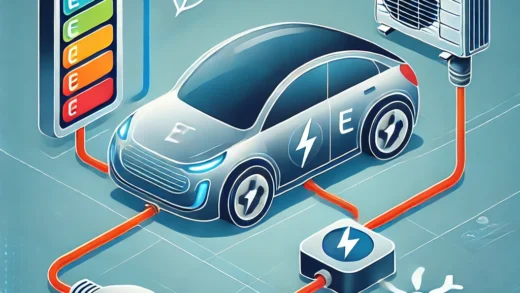
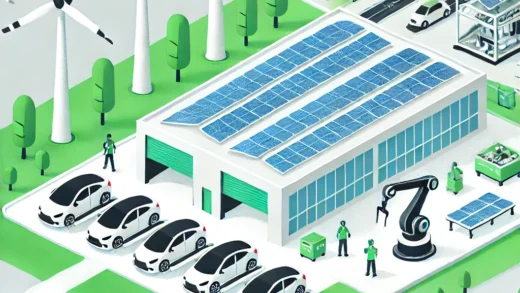
In the 21st century, the automotive landscape has evolved rapidly with advancements in technology and sustainability. The rise of electric vehicles (EVs) has transformed the industry, with companies like Tesla leading the charge. EVs not only reduce carbon emissions but also offer innovative features such as regenerative braking and advanced battery technology.
Connectivity is another major trend, with modern vehicles equipped with infotainment systems, GPS navigation, and smartphone integration. The introduction of autonomous driving technology promises to revolutionize the way we think about travel, aiming to improve safety and convenience on the roads.
As we move further into the 2020s, the integration of artificial intelligence and machine learning into vehicles will likely lead to even more groundbreaking changes. From predictive maintenance to enhanced driver assistance systems, the future of automotive technology is bright and full of possibilities.
Conclusion
The evolution of cars is a testament to human ingenuity and the relentless pursuit of progress. From the early days of the gasoline engine to the sophisticated electric vehicles of today, automotive innovations have shaped our lives and transformed the world around us. As we look to the future, one thing is certain: the journey of automotive evolution is far from over. With new technologies on the horizon, we can only imagine what the next chapter in car technology history will hold. Whether you’re a car enthusiast or just someone who enjoys the open road, the innovations in the automotive industry will continue to impact our travel experiences for generations to come.